Bayelsa Boat Tragedy: Ijaw Elders Demand Independent Probe, Stronger Maritime Safety Enforcement
By Atlantic Reports
The Ijaw Elders Forum (IEF) has called for an independent investigation into the fatal boat mishap on the River Nun in Bayelsa State, demanding accountability from relevant authorities and stricter enforcement of maritime safety regulations.
The call followed the recovery of 29 bodies from the accident, which occurred on Friday in Southern Ijaw Local Government Area. Rescue operations have involved the National Emergency Management Agency (NEMA), while the Federal Government has announced ₦250 million in relief support for the families of victims.
In a statement issued on Monday, the Chairman of IEF, Lagos, Chief Bukazi Etete, and its Secretary, Efiye Bribena, described the incident as another avoidable tragedy. They extended their condolences to the bereaved families, survivors and the Bayelsa State Government.
Elders question safety failures
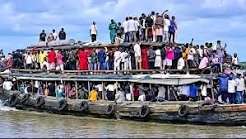
The forum raised concerns over reports that the ill-fated boat was carrying more than 500 passengers, questioning the apparent absence of basic safety measures, including life jackets and passenger manifests.
It said reports of overloading, uncertainty over the number of people aboard and alleged disregard for warnings about excessive loading pointed to serious weaknesses in the regulation of water transportation.
The elders also questioned the responsibilities of state and local government authorities in licensing boats, inspecting vessels and enforcing passenger limits.
They condemned the practice of overloading boats for commercial gain and operating vessels without adequate safety equipment.
According to the forum, the traditional use of boats, locally referred to as "loveboats", for ceremonies, particularly funerals, should not be treated as an excuse for unsafe journeys.
It said such trips must comply with established safety requirements, including approved passenger capacity, accurate manifests, life jackets and designated loading points.
Call for dedicated maritime task force
The IEF urged governments at all levels to establish a dedicated maritime task force with the authority to stop overloaded boats, impound unserviceable vessels and enforce safety standards across the waterways.
It also advocated the gradual replacement of unserviceable wooden boats and improved road infrastructure to reduce the dependence of riverine communities on water transportation.
The forum said boat owners, operators and passengers should embrace safety training covering boat handling, navigation, loading procedures, rescue techniques and first aid.
It stressed that growing up around waterways does not automatically equip people with the technical skills required for safe navigation.
Survivors need sustained support
Beyond investigating the accident, the elders called on authorities to provide survivors with free medical examinations, treatment, feeding and other necessary assistance until they fully recover.
They also urged maritime and safety professionals to lead a thorough investigation to establish the number of passengers aboard the boat, the confirmed casualties and the number of survivors.
The forum called for immediate preventive measures ahead of the Yuletide season, when waterway traffic is expected to increase.
It further demanded sustained enforcement of life-jacket requirements, passenger limits, passenger manifests and regular vessel inspections.
Questions over accountability and lasting reforms
The elders said recurring boat accidents in Bayelsa indicated that previous tragedies had not resulted in the necessary reforms.
Their intervention raises broader questions about the effectiveness of existing maritime safety regulations, the capacity of enforcement agencies and the responsibility of authorities to protect people who depend on waterways for everyday transportation.
While the Federal Government's announced relief support offers assistance to bereaved families, the forum's demands highlight the need to address the conditions that make such accidents possible.
For riverine communities, where boats remain an essential means of movement, preventing another tragedy will require more than emergency rescue operations and financial assistance after lives have been lost. It will require effective regulation, functional safety systems and clear accountability.
Atlantic Reports: Voices. People. Facts.
Written by
Atlantic Reports Admin
Comments
- Be the first to comment.