Biotechnologists Push for Greater Investment in Nigeria's Bioeconomy
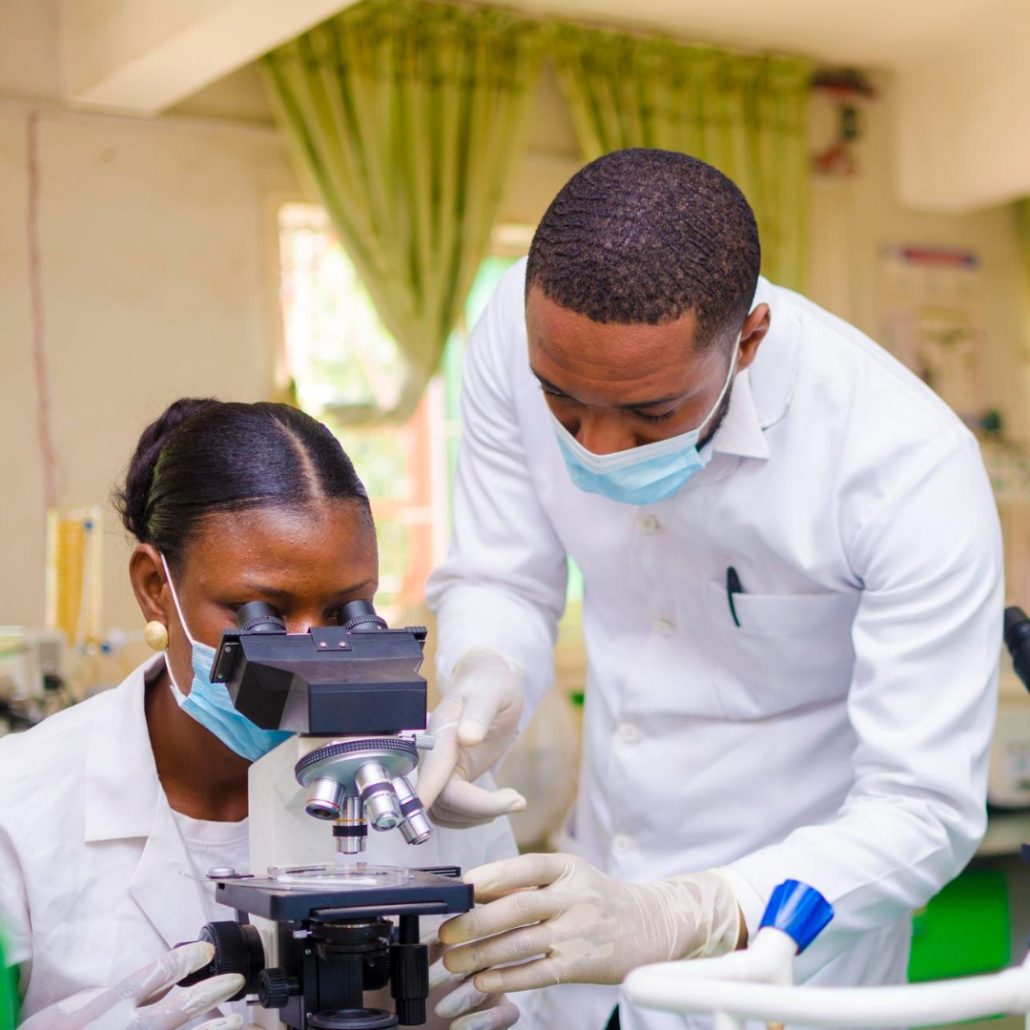
Nigerian biotechnologists say biotechnology holds the key to strengthening the country's food security, healthcare system, job creation, and economic diversification efforts.
According to Gidado, agricultural biotechnology can deliver crops with higher yields, greater resistance to pests and diseases, improved drought tolerance, and enhanced nutritional value. She cited Nigeria's pod-borer-resistant cowpea and TELA maize as examples of technologies already helping to boost farm productivity while reducing reliance on pesticides.
"Biotechnology can solve specific agricultural problems faster when combined with conventional breeding, irrigation and effective extension services," Gidado said, adding that improved crop productivity could raise incomes for smallholder farmers, reduce food imports, and strengthen the country's resilience to climate-related production challenges.
Imuk, for his part, said biotechnology could also improve soil health through bio-fertilisers, biopesticides, and other biological solutions — particularly in areas grappling with land degradation and declining productivity. He stressed that biotechnology should complement, rather than replace, sound soil management practices, noting that local conditions must guide the adoption of any new technology. "Healthy soils remain fundamental to food security, and biotechnology can provide useful biological solutions for restoring productivity and reducing dependence on some chemical inputs," he said.
Meanwhile, Adetunji said that medical biotechnology could bolster Nigeria's health security through the local production of vaccines, diagnostics, medicines, and other biopharmaceutical products. He explained that building domestic capacity in this area would reduce reliance on imports, conserve foreign exchange, and protect the country from disruptions in international supply chains.
According to Adetunji, biotechnology can also drive industrial development through the production of enzymes, biofuels, biodegradable materials, biofertilisers, and other products derived from Nigeria's rich agricultural resources and biodiversity. He noted, however, that realising these economic benefits would depend largely on Nigeria's ability to commercialise research findings and forge stronger links between universities, research institutions, and industry.
Adetunji added that intellectual property protection, pilot plants, venture capital, business incubators, and clearer regulatory frameworks are all necessary to help move innovations out of the laboratory and into viable, sustainable businesses.
The experts collectively noted that Nigeria's youthful population, rich biodiversity, and large agricultural base present significant opportunities for building a competitive bioeconomy capable of generating skilled employment. They emphasised that biotechnology would deliver its greatest socioeconomic impact when research outputs are successfully translated into accessible products, thriving enterprises, jobs, and practical solutions for everyday Nigerians.
Written by
Atlantic Reports Admin
Comments
- Be the first to comment.