Cardiologist: Stress, Hypertension Threaten Soldiers' Hearts
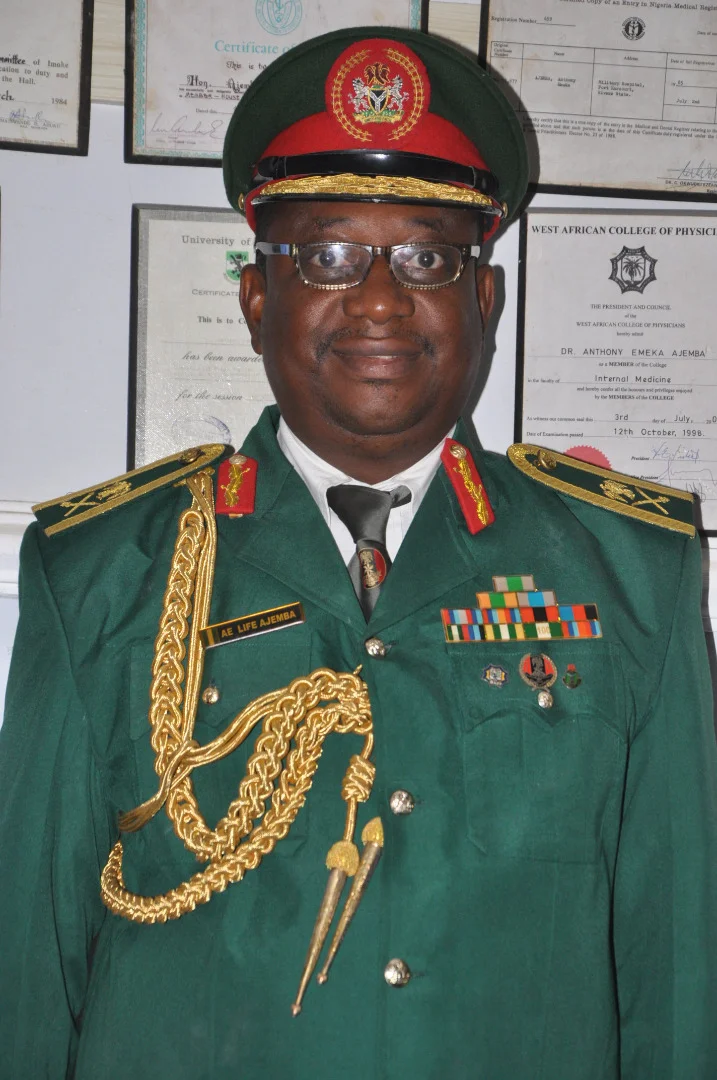
Military cardiologist Maj.-Gen. Life Ajemba has called on serving personnel and veterans to make heart health a priority through regular medical checks, physical exercise, healthy diets and adequate rest.
Ajemba gave the advice on Wednesday in Abuja in an interview with the News Agency of Nigeria (NAN). He said hypertension remained one of the most common cardiovascular conditions among serving personnel and military retirees.
Citing studies, Ajemba said hypertension accounted for 15.31 per cent of cases treated among mainly military retirees between 2015 and 2020.
He also referred to another study that found a hypertension prevalence of 34.3 per cent among military personnel.
Major risk factors, he said, include alcohol consumption, tobacco smoking, a family history of cardiovascular disease and being overweight.
According to Ajemba, the demands of military service can raise cardiovascular risk through physical stress, psychological trauma, irregular schedules and inadequate sleep.
"Military duties affect heart health through a combination of extreme physical stress, psychological trauma and environmental exposures that increase the risk of cardiovascular disease," he said.
He explained that prolonged stress can increase the release of hormones such as adrenaline and cortisol, which push up heart rate and blood pressure.
Sleep deprivation, anxiety and other psychological pressures, he added, can further raise the risk of hypertension, coronary artery disease, heart attack and stroke.
Ajemba stressed the need for regular medical screening of military personnel, saying early detection could reveal silent conditions such as high blood pressure, abnormal cholesterol levels and elevated blood sugar.
He said routine checks could include blood pressure and heart rate monitoring, blood tests, a lipid profile, an electrocardiogram (ECG), a chest X-ray and, where necessary, echocardiography.
"Early detection ensures that soldiers receive treatment while remaining fit for duty, preventing medical evacuation and safeguarding their long-term health," he said.
The cardiologist encouraged personnel to keep up regular physical exercise, saying fitness helps to lower blood pressure, improve the heart's efficiency and build resistance to operational fatigue.
He, however, advised them to combine fitness with healthy eating, adequate rest, and avoidance of smoking and excessive alcohol.
A healthy lifestyle, Ajemba said, could help military personnel reduce their cardiovascular risk and stay fit both during active service and after retirement.
Written by
Atlantic Reports Admin
Comments
- Be the first to comment.