CSOs Demand Urgent Response to Niger Delta Pollution Crisis
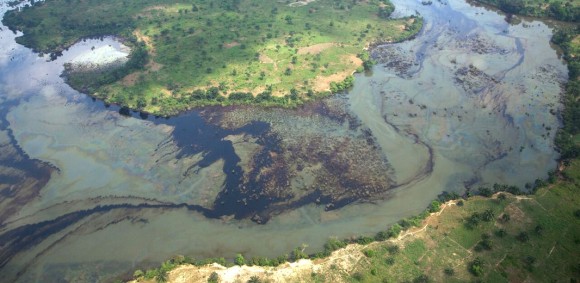
Civil Society Organisations in Rivers State have called for environmental policies that reflect the realities faced by communities whose livelihoods have been devastated by pollution and ecological degradation.
The groups — including the Health of Mother Earth Foundation (HOMEF), Indigenous Language Cultural Empowerment Foundation, and Miideekor Development Initiative — made the call on Sunday at a forum held in Kanni Community, Gokana Local Government Area of Rivers State.
Speaking at the event, themed "Rethinking Climate Change, Food Systems Solutions," the groups noted that farms, fishing grounds, forests, and water sources across many Niger Delta communities have been destroyed.
HOMEF: Indigenous Knowledge Key to Tackling Environmental Crisis
In his address, the Executive Director of HOMEF, Dr Nnimmo Bassey, said integrating indigenous ideas, traditional values, and community-led initiatives could help address climate change, food insecurity, and environmental degradation. He argued that indigenous languages, cultures, and traditional practices hold valuable tools for confronting today's environmental challenges, describing the gathering as a platform for drawing lessons from indigenous knowledge to build a healthier, more sustainable future.
"Nigerians, particularly young people, need to learn from the past and retain traditional practices that promote good health, environmental protection and community wellbeing," he said. "We are not going to take everything from the past to the future, but we will preserve excellent things, like the way our people lived and what gave them good health."
Bassey noted that traditional communities were historically guided by honesty, integrity, cooperation, solidarity, and respect for nature — values he said remain deeply relevant to the climate and food crises currently facing the region. He linked the region's climate crisis directly to the destruction of natural systems that support food production, livelihoods, and human health, and questioned the persistently low quality of life in oil-producing communities despite the vast resources extracted from the region.
"Why is 41 years the life expectancy in the Niger Delta? Why are our women going into menopause before the age of 30? These are the real questions that must be asked. If your environment is sick, you cannot claim to be healthy," Bassey said, expressing concern over residents' continued reliance on polluted water sources as a reflection of the severity of environmental degradation in the region.
Call for Indigenous Languages in Environmental Decision-Making
Also speaking, the Executive Director of the Indigenous Language Cultural Empowerment Foundation, Chief Magnus Edoo, called for greater use of indigenous languages in environmental decision-making. Delivering the keynote address, Edoo argued that communities cannot meaningfully participate in environmental processes when critical information is communicated in unfamiliar languages.
He advocated for the use of indigenous languages during Environmental Impact Assessments, community consultations, and agreements between oil companies and host communities. "Oil companies should communicate the terms and implications of their activities in languages understood by host communities," he said, while also calling on government to strengthen indigenous language teaching in schools, warning that language loss could ultimately undermine cultural identity.
Ogoni Struggle Cited as Model for Ecological Restoration
Earlier at the forum, the Team Lead of Miideekor Development Initiative, Dr Celestine Akpobari, said Niger Delta communities could play a significant role in restoring degraded ecosystems. He cited the Ogoni struggle against oil exploitation, noting that some areas had shown signs of natural recovery following the withdrawal of oil companies in 1993 — with mangroves returning and fish and other biodiversity reappearing once destructive activities ceased.
Akpobari advocated for greater community participation in ecological restoration efforts, arguing that oil-bearing communities could play a central role in such initiatives, provided they receive appropriate policies, resources, and suppor
Written by
Atlantic Reports Admin
Comments
- Be the first to comment.