Defence Chief Urges Journalists to Counter AI Deepfakes
By Atlantic Reports
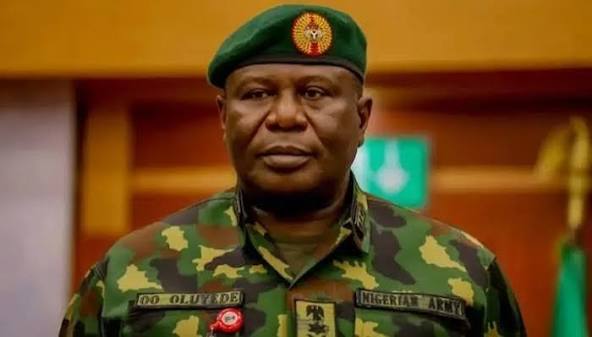
The Chief of Defence Staff, Gen. Olufemi Oluyede, has urged defence correspondents to help identify and debunk artificial intelligence-generated content that he says is being used to mislead Nigerians and undermine security operations.
Oluyede made the appeal on Monday at the Defence Correspondents Association of Nigeria (DECAN) Conference 2026 in Abuja.
Represented by the Director of Defence Information, Maj.-Gen. Sumaila Musa, he said manipulated videos, images, cloned voices and false operational claims posed risks to troops and communities.
“These deepfakes are not mere misinformation; they are weapons of psychological warfare aimed at eroding public trust in the Armed Forces and rupturing the vital bond between the military and the citizenry,” he said.
Deepfakes are synthetic or manipulated recordings that can make people appear to say or do things they did not. Oluyede alleged that such material was being deliberately circulated to incite fear and discredit military personnel.
His remarks did not identify specific examples, their sources or verified incidents in which fabricated content had disrupted operations.
The defence chief warned that false recordings could cause panic and endanger personnel, making verification an important part of security reporting.
He urged correspondents to check sensitive operational content with Defence Headquarters before publication and to use their platforms to explain how synthetic media can mislead audiences.
He also called for the prompt debunking of fabricated videos attributed to the Armed Forces and reporting that counters extremist propaganda.
The conference’s theme was “Beyond Kinetic Warfare: Harnessing Technology and Intelligence-Led Operations for Nigeria’s National Security”.
Oluyede said military effectiveness increasingly depended on intelligence, communications, cyber resilience and technological capability alongside firepower.
“Today, battles are no longer won by firepower alone. They are won by superior information, real-time intelligence, technological dominance, cyber resilience, and the ability to control the narrative space,” he said.
According to him, the Armed Forces were investing in space-based surveillance, geospatial intelligence, AI-enabled decision support and systems for combining intelligence from different sources.
He cited developments at the Defence Space Administration, the expansion of modular earth observation outposts into operational areas, the establishment of the Defence Space School and the ongoing integration of AI and advanced surveillance systems.
The address did not provide spending figures, deployment timelines or performance data for those initiatives.
Oluyede described journalists as important intermediaries between security institutions and the public, saying trust and cooperation were essential to the military’s constitutional responsibilities.
“The trust, cooperation and synergy between the military and the citizenry, mediated through a responsible press, remain indispensable,” he said.
Checking claims with Defence Headquarters can establish the military’s account. Credible reporting also requires scrutiny of the material itself and corroboration where possible, particularly when operational claims are disputed.
Oluyede assured DECAN of Defence Headquarters’ continued support and an open-door policy for timely and accurate information sharing.
Atlantic Reports: Voices. People. Facts.
Written by
Atlantic Reports Admin
Comments
- Be the first to comment.