FG Engages 6,500 Nigerians on Kano-Katsina-Maradi Railway Project, Says Official
By Atlantic Reports
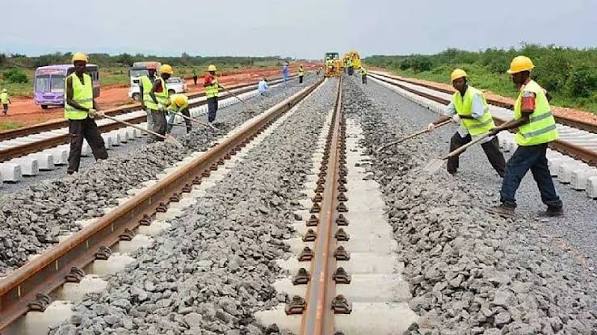
The Federal Government says about 6,500 Nigerians have been recruited and trained for construction activities on the ongoing Kano-Katsina-Maradi railway project, in what it describes as an effort to strengthen local participation and develop skills in the country's railway sector.
The Permanent Secretary of the Federal Ministry of Transportation, Mr Funso Adebiyi, disclosed this during an inspection of the project at the Kazaure construction site in Jigawa State.
According to a statement issued in Abuja on Saturday, approximately 200 expatriates are among the 6,500 workers currently engaged on the project.
Adebiyi said the locally recruited workers would be retained as staff after construction to support the operation and management of the railway infrastructure.
Government highlights local employment and skills development
Adebiyi said the project was providing employment opportunities while helping to build a skilled Nigerian workforce capable of supporting the country's railway industry.
He highlighted the contribution of the Federal University of Transportation (FUT), Daura, Katsina State, in providing specialised training and developing local manpower.
The university's involvement, he said, was important to strengthening the technical capacity required to operate and maintain modern railway infrastructure.
The proposed retention of local workers after construction could also help address the need for continuity in railway operations. However, the ministry's statement did not specify the number of workers expected to receive permanent appointments, their employment terms or the arrangements for their eventual retention.
First phase targeted for December commissioning
The permanent secretary said the first phase of the project, covering the Kano-Dawanau to Katsina section, was scheduled for commissioning in December 2026.
Construction would continue on the remaining sections linking Katsina to Jibia and Maradi in the Niger Republic.
The railway corridor spans approximately 400 kilometres, making it longer than the Abuja-Kaduna and Kaduna-Kano railway corridors, which cover 189 kilometres and 203 kilometres respectively.
The December commissioning target therefore relates to the first phase, not the completion of the entire cross-border railway project.
Construction materials and track installation
Providing an update on construction progress, Adebiyi said approximately 650,000 of the 800,000 concrete railway sleepers required for the project had been manufactured at the construction yard.
He added that most materials needed for the work, including rail tracks and reinforcement materials, were already available at the site.
According to him, the required formwork had also been completed, while workers were assembling and coupling railway tracks towards Maradi.
He further said the new executive rail line was expected to be completed within 10 days.
The ministry did not provide a detailed percentage of overall project completion or a comprehensive breakdown of the outstanding construction work.
Nigeria and Niger discuss cross-border operations
Adebiyi disclosed that the Federal Government had resumed discussions with Niger Republic's Ministry of Transportation to address requirements for cross-border railway operations.
The discussions are intended to resolve security, immigration and customs issues affecting the movement of construction equipment, machinery and personnel between both countries.
These arrangements will be important to completing the sections connecting Katsina to Jibia and Maradi.
The railway's cross-border operations will also depend on effective coordination between the relevant authorities in both countries.
FUT Daura seeks stronger industry collaboration
The Vice-Chancellor of the Federal University of Transportation, Daura, Prof. Umar Katsayal, commended the permanent secretary and his delegation for inspecting the project.
He said the engagement would strengthen the ministry's support for the university and encourage closer cooperation between the institution and companies involved in railway construction.
Katsayal particularly highlighted opportunities for collaboration in the provision of critical railway infrastructure, including signalling and communication systems.
Employment claims and delivery milestones under scrutiny
The reported recruitment of 6,500 Nigerians represents a significant employment claim associated with the railway project. However, the longer-term value of the initiative will depend on how many workers secure continued employment after construction and whether they receive the technical training needed to operate and maintain the railway.
The December commissioning target for the first phase will also be an important milestone. Its delivery will depend on the completion of outstanding construction work, operational readiness and the necessary safety and regulatory arrangements.
The ministry's update did not disclose the total project cost, cumulative expenditure, contractor payment status or the number of permanent jobs expected after construction.
As work progresses towards the planned commissioning, transparent information on project spending, completion milestones, operational arrangements and local employment outcomes will be important in assessing the railway's wider economic benefits.
Atlantic Reports: Voices. People. Facts.
Written by
Atlantic Reports Admin
Comments
- Be the first to comment.