FG, National Assembly Work to Harmonise Regional Development Commission Laws
By Atlantic Reports
The Federal Government is working with the National Assembly to harmonise the laws establishing regional development commissions, seeking to improve coordination and operational efficiency.
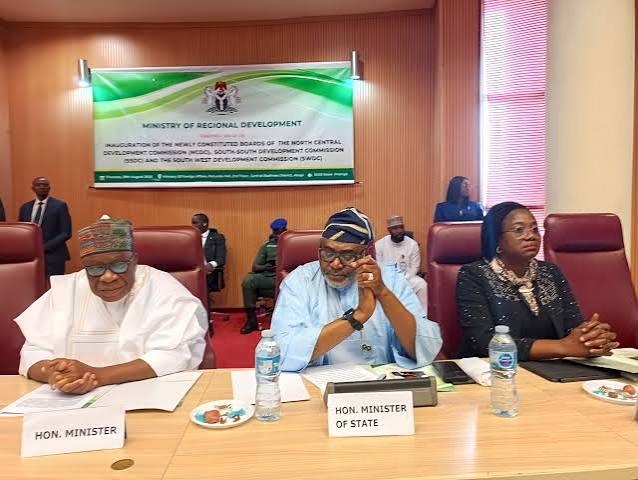
Minister of State for Regional Development, Uba Ahmadu, disclosed this in an interview on Sunday in Abuja, saying the proposed changes would help the commissions deliver their mandates more effectively.
Ahmadu explained that although the commissions shared a broad development objective, their establishing laws reflected different regional circumstances and priorities.
“The commissions are distinct in various respects. The laws setting them up are also not exactly the same,” he said.
Amendments to Preserve Regional Priorities
The minister said the ministry was pursuing amendments to bring the laws closer together while retaining provisions needed to address challenges specific to each region.
He said collaboration with the National Assembly, which is responsible for making laws, would help resolve differences that could create friction and weaken cooperation.
The proposal therefore seeks a more coordinated framework without making every commission’s mandate identical.
However, the interview did not identify the provisions proposed for amendment, provide examples of existing conflicts or specify a legislative timetable. The harmonisation remains a proposed reform rather than an enacted change.
Policy Framework Awaits Approval
Ahmadu said the ministry was also developing a policy framework to guide regional development activities.
According to him, the document had been taken across the country to gather contributions from Nigerians and stakeholders in different regions.
He said it had been presented to the National Economic Council and was awaiting approval by the Federal Executive Council.
The proposed policy and legislative amendments are separate processes. Approval of the policy would not, by itself, amend the laws establishing the commissions.
Ahmadu said the ministry’s central responsibility was to coordinate the commissions and ensure their interventions responded to people’s needs.
For communities, the practical test of the reforms will be whether clearer responsibilities improve project delivery, reduce duplication and preserve attention to local development priorities.
Atlantic Reports: Voices. People. Facts.
Written by
Atlantic Reports Admin
Comments
- Be the first to comment.