FG Sets Performance Reviews, Sanctions for Regional Development Commissions
By Atlantic Reports
The Federal Government says regional development commissions will face comprehensive performance reviews and sanctions for non-performance as part of efforts to strengthen accountability in the use of public funds.
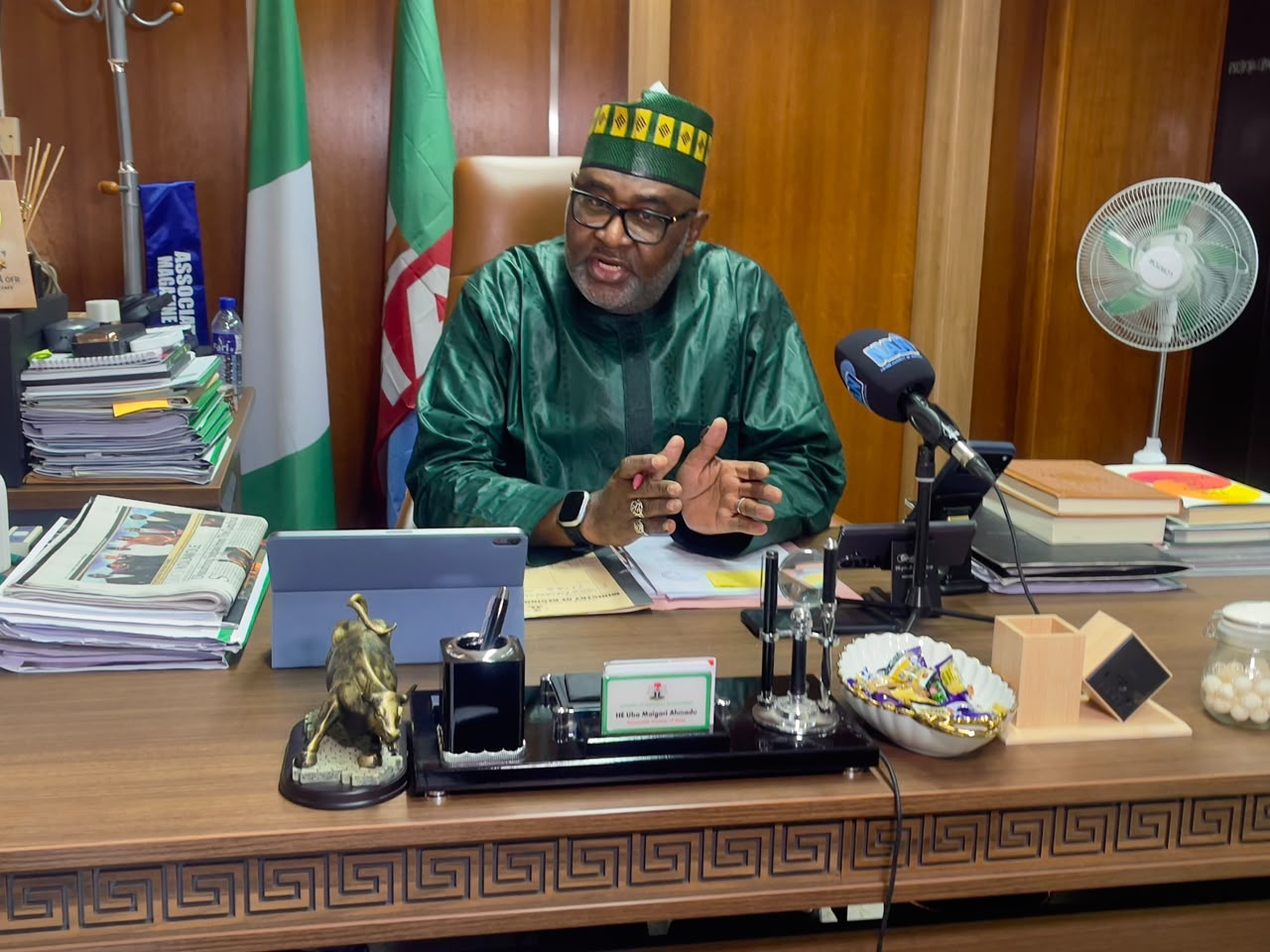
Minister of State for Regional Development, Uba Ahmadu, said in an interview on Sunday in Abuja that the ministry was assessing commissions against agreed targets, reported expenditure and project delivery.
The monitoring framework follows plans announced on 15 September at the first North Central Stakeholders Development Summit in Abuja to audit the commissions and sanction those failing to deliver.
“Good governance is at the centre of it all. You cannot do anything unless you put in place a good system,” Ahmadu said.
“We are building institutions, not building people around institutions, but building institutions for people.”
Monthly Reports and Quarterly Assessments
Ahmadu said the framework included performance bonds signed by ministers with President Bola Tinubu and by commission heads with the ministry.
“Our performance is reviewed monthly and assessed quarterly,” he said.
“The commissions submit monthly reports, which we check against their targets to establish what they have actually delivered.”
He explained that special assistants assigned to the commissions submitted additional reports, which the ministry compared with the commissions’ accounts of their activities.
According to the minister, these checks help identify delivery gaps, test reported achievements and determine whether spending aligns with approved objectives.
He described the special assistants’ reports as an independent verification mechanism. The interview did not explain their reporting arrangements or whether external auditors would participate in the announced audits.
Procurement and Spending Under Scrutiny
Ahmadu said procurement must comply with due process and relevant laws, warning that officials who breached regulations or mismanaged public resources would face sanctions.
He said the ministry’s responsibilities extended beyond policy formulation and project deployment to monitoring how funds were spent.
The minister also acknowledged the Bureau of Public Procurement’s role in enforcing procurement standards, adding that the ministry monitored compliance within its institutions.
He maintained that available resources must translate into tangible development benefits rather than be lost through waste or pilfering.
Regular reviews, he said, would also inform planning, allowing officials to assess previous performance and set priorities for subsequent reporting periods.
Details of Enforcement Remain Unspecified
The interview did not identify any commission already sanctioned or provide findings from a completed audit.
It also did not specify the penalties for non-performance, the thresholds that would trigger them or whether assessment results would be published.
For communities served by the commissions, the practical measure of the framework will be whether it produces completed, functioning projects and clearer accounts of how public money is used.
Atlantic Reports: Voices. People. Facts.
Written by
Atlantic Reports Admin
Comments
- Be the first to comment.