GSMA Warns 6GHz Spectrum Delays Are Slowing Mobile Network Growth
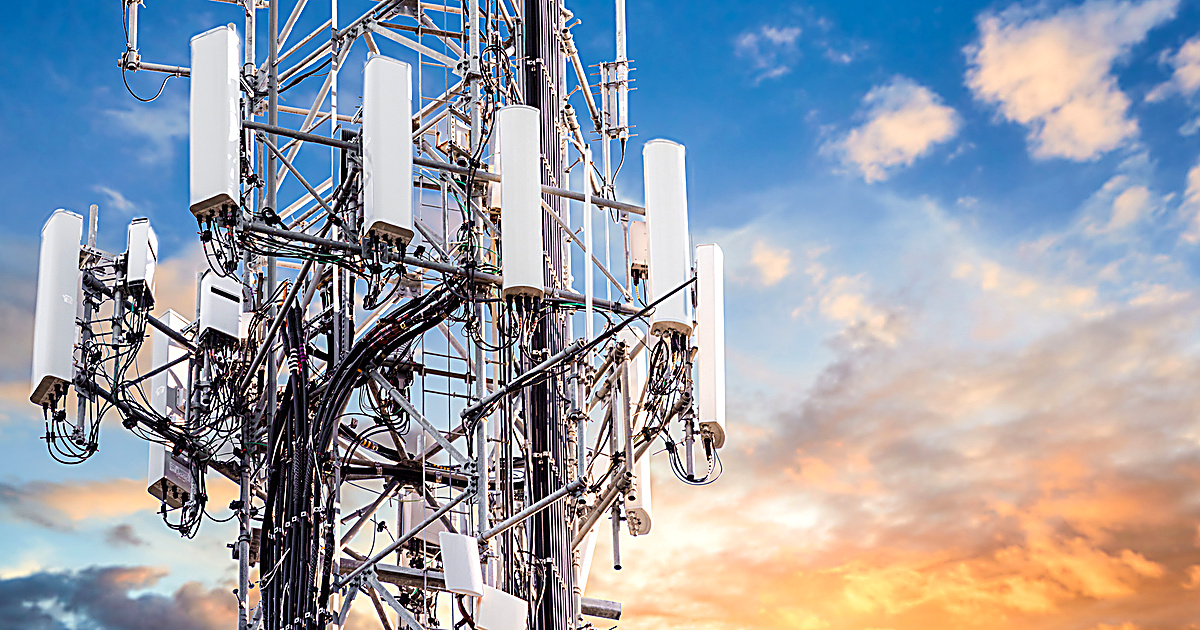
The Global System for Mobile Communications Association (GSMA) has warned that delays in finalising decisions on the 6GHz spectrum band are stalling critical mobile network infrastructure at a time when the world is transitioning from 5G to early 6G networks.
This is contained in a statement issued by the Director-General of the GSMA, Vivek Badrinath, on Monday.
The 6GHz is a radio frequency band used for wireless communications, capable of providing additional capacity for mobile networks. The upper 6GHz band, covering 6.425GHz to 7.125GHz, is regarded as valuable mid-band spectrum for mobile connectivity.
Badrinath explained that timely decisions on the spectrum would give network operators the certainty needed to invest confidently and expand capacity, noting that global mobile data traffic continues to grow, making additional mid-band spectrum increasingly critical for future network development.
According to him, the mobile ecosystem is already prepared to deploy services in the upper 6GHz band at scale. "The message from the mobile ecosystem is clear: we are ready to put the upper 6 GHz spectrum to work for consumers and businesses around the world," he said.
He urged governments to convert the international harmonisation of the band into tangible improvements in connectivity by prioritising it for full-power mobile services, warning that delayed spectrum decisions could disrupt operators' investment plans and slow the deployment of capacity needed to meet rising demand.
Badrinath stressed that pro-investment spectrum policies would help countries realise their digital ambitions while supporting efficient and inclusive mobile development, describing upper 6GHz as one of the most significant opportunities for securing capacity for next-generation mobile networks. "Timely, pro-investment spectrum decisions are needed to give operators the certainty to invest, to help countries deliver their national digital ambitions," he said.
He disclosed that countries representing more than 80 per cent of the world's population now support mobile use of the upper 6GHz band, which was harmonised for mobile use at the World Radiocommunication Conference in 2023. This international harmonisation, he explained, has allowed the band to be incorporated into national spectrum roadmaps across several markets, creating the scale required to build a strong global ecosystem for mobile devices, chipsets and network equipment.
According to Badrinath, more than 60 mobile operators, device manufacturers, chipset makers and network equipment providers have joined the industry's call for deployment. He noted that the first assignments of upper 6GHz spectrum have already been completed, with further awards expected across major regions, identifying Europe, the Middle East and Africa, Asia-Pacific, and the Americas as regions where additional assignments are anticipated as market demand develops.
He called on governments and regulators to include the full upper 6GHz band in clear, forward-looking national spectrum roadmaps, and urged policymakers to make the band available for full-power macro-cell mobile use to meet growing connectivity needs. Full-power macro-cell networks, he explained, could use upper 6GHz to provide valuable city-wide capacity, helping operators manage rising data traffic while supporting the ongoing evolution of 5G-Advanced.
Badrinath maintained that the band would also play a key role in the future rollout of 6G mobile networks, noting that channel bandwidths of between 200MHz and 400MHz are expected to be required during the 6G era — a requirement that underscores the strategic importance of upper 6GHz in preparing networks for the next generation. "Upper 6 GHz represents one of the most important opportunities to secure the capacity needed for the next-generation of mobile networks, creating a clear path from 5G-Advanced to 6G," he said.
He stressed that spectrum assignments should be timely and market-driven, with balanced conditions that encourage operator investment, noting that such an approach would enable efficient spectrum use while supporting connectivity, innovation and economic growth.
Badrinath concluded that with the international framework for upper 6GHz already in place and the mobile ecosystem ready for deployment, national policymakers must act promptly — stressing that their decisions will determine whether the band becomes a cornerstone of sustainable future mobile connectivity.
Written by
Atlantic Reports Admin
Comments
- Be the first to comment.