Ifowodo Says Poetry Preserves Terror Victims’ Stories Against Erasure
By Atlantic Reports
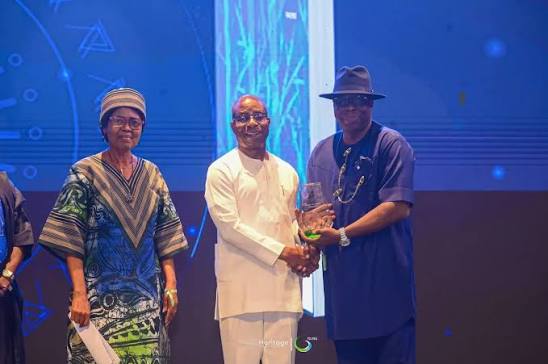
Award-winning poet Ogaga Ifowodo says his poetry seeks to preserve the identities and experiences of terrorism victims, challenging attempts by their captors to silence them or erase their stories.
Speaking in Lagos on Sunday night after winning the $100,000 Nigeria Prize for Literature for Why Does God Need a Gun, Ifowodo said the experience of abducted schoolgirl Leah Sharibu provided the central voice in his work.
Sharibu was abducted alongside her schoolmates in 2018 and reportedly remained in captivity after refusing to renounce her Christian faith.
Ifowodo said he shaped her experience into a poetic persona that questioned the perpetrators’ claims to religious authority and drew attention to the human cost of extremism.
Literature as a Record of Lives Disrupted
The poet said the voice in his work represented not only Sharibu but also other victims, including the Chibok schoolgirls, abducted schoolboys and families displaced by violence.
“For all we know, the account we are giving today of Boko Haram, or the religious terrorism that is confronted in literature, will be what will endure,” he said.
Ifowodo argued that literature could preserve experiences that might otherwise be forgotten or distorted in official accounts. His use of a poetic persona is a literary interpretation of those experiences, rather than direct testimony from Sharibu.
He linked his writing to his history of activism and his conviction that art should engage with injustice and the conditions in which people live.
Ifowodo said winning the prize, selected from 223 entries, brought financial support and recognition that strengthened his resolve to continue writing.
However, he cautioned against making awards the primary reason for pursuing literature, saying a writer’s commitment must extend beyond accolades.
Filmmaker Highlights Gaps in Cultural Archives
Filmmaker Feranmi Abiola, who received a $20,000 award for her documentary Mara Mania, also spoke about the challenges of preserving contemporary Nigerian experiences.
She said the scarcity of documented archives on emerging music genres made researching the film difficult.
Abiola explained that she began by spending time with the community behind Mara music, interviewing practitioners and learning about their experiences before filming.
She described Mara as an emerging Lagos sound combining street music with soulful and emotionally expressive elements.
According to her, it draws on diverse influences, including sounds associated with Brazil and India, and incorporates instruments such as violins, horns and harps.
She said the documentary’s title captured the energetic atmosphere surrounding the genre and its visibility on platforms such as TikTok.
Abiola explained that her filmmaking approach centred on building relationships with participants, understanding their lives and conducting research to establish the context of their stories.
Both speakers placed preservation at the centre of their work: Ifowodo through poetry about lives disrupted by terrorism, and Abiola through documenting a developing music culture with a limited archival record.
Atlantic Reports: Voices. People. Facts.
Written by
Atlantic Reports Admin
Comments
- Be the first to comment.