Kaduna Prioritises Education, Skills to Tackle Youth Unemployment — Commissioner
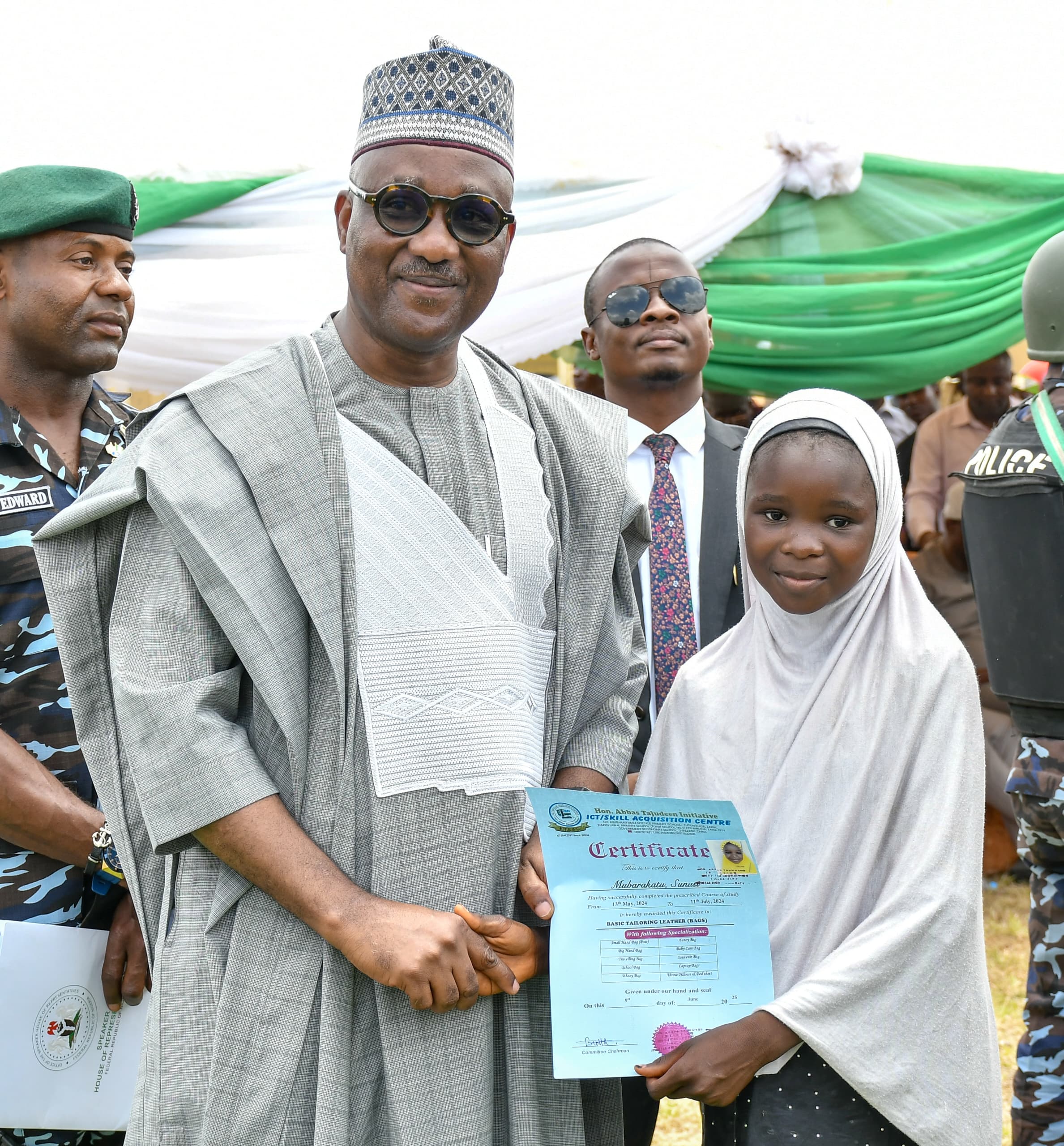
The Kaduna State Government says its sustained investment in education and youth empowerment is aimed at developing human capital and creating pathways to sustainable employment.
According to Maiyaki, the government has committed 25 per cent of its budget to education, alongside investments in infrastructure and course accreditation at state-owned institutions. He revealed that Kaduna State University (KASU) received more than N300 million to secure accreditation for about 57 courses from the National Universities Commission, while the government also reduced tuition fees by 50 per cent and committed approximately N1.3 billion to local and foreign scholarships.
He noted that the administration has constructed 75 new junior and secondary schools to address population growth and inadequate classroom facilities across communities. "Over 500,000 students who sat for NECO and WAEC examinations have been sponsored by the state government over the last three years," he said.
Vocational Training Centres Empower Thousands
The commissioner said the government has also established three vocational skills development centres in Soba, Rigachikun, and Samaru Kataf, equipped with modern facilities. According to him, these centres have already trained 4,050 people across 14 different trades during their first graduation cohort, with the government approving N810 million in start-up grants — already disbursed to beneficiaries.
Maiyaki said the centres are designed to train 32,000 people annually, describing skills development as critical to tackling unemployment and creating economic opportunities. He noted that beneficiaries span a wide range of backgrounds, including PhD holders, retired civil servants, graduates, and individuals without secondary education.
He disclosed that the Federal Ministry of Education has approached Kaduna State to adopt its technical and vocational education and training curriculum as a national framework, adding that Kaduna remains the only subnational entity with a functional skills council — chaired by the governor and meeting regularly to assess skills needs and employment opportunities.
Linking Unemployment to Insecurity
The commissioner drew a direct link between unemployment and insecurity, noting that many youths involved in criminal activities lack sustainable employment opportunities. He said this understanding has driven the government's decision to prioritise vocational training alongside conventional university education, in order to promote self-reliance among young people.
Maiyaki also disclosed that the administration is revitalising Panteka Market — which he described as Africa's largest skill fabrication market, attracting between 38,000 and 40,000 people daily — through improved road infrastructure, an ICT centre, a clinic, and power and fire service facilities.
Agricultural Recovery Boosts Food Production
On agriculture, Maiyaki said the Kaduna Peace Model has facilitated the recovery of more than 500,000 hectares of farmland previously controlled by bandits and criminal elements, enabling farmers to return to their land while schools and healthcare facilities in affected communities have also reopened.
According to him, agriculture contributes about 42 per cent to Kaduna's GDP, with roughly 60 per cent of the state's residents engaged in farming activities. He noted that agricultural output has grown significantly over the past two years, driven by improved security and the return of farmers to previously inaccessible land.
Maiyaki said the government has scaled up agricultural funding considerably — from N1.48 billion in 2023 to about N22 billion in 2024, N74 billion in 2025, and over N100 billion in 2026. He added that more than 500 trucks of fertiliser were distributed to 150,000 smallholder farmers in 2026, alongside irrigation pumps and tractors to support dry-season farming and mechanised agriculture.
He said Kaduna remains the leading producer of maize and tomatoes nationally, ranks second in soybean production, and is among Africa's top ginger-producing regions. According to him, farmland recovery, improved infrastructure, and targeted agricultural interventions have contributed to rising food production and falling prices — with maize prices dropping from more than N100,000 per bag to between N28,000 and N29,000 in markets such as Giwa and Saminaka.
Community-Based Security Bolsters Farmland Protection
The commissioner said the government has recruited and trained about 1,000 forest guards to strengthen community-based security and protect reclaimed farmlands. He explained that the Kaduna Peace Model incorporates traditional institutions, religious leaders, youth groups, and community vigilance structures, with early warning mechanisms helping communities identify and respond to threats before they escalate into major security challenges.
Maiyaki concluded that the government's interventions across education, skills development, agriculture, and security are designed to improve livelihoods and promote sustainable development throughout Kaduna State.
Written by
Atlantic Reports Admin
Comments
- Be the first to comment.