Malala Fund awards $2.95m to advance girls’ education in Nigeria
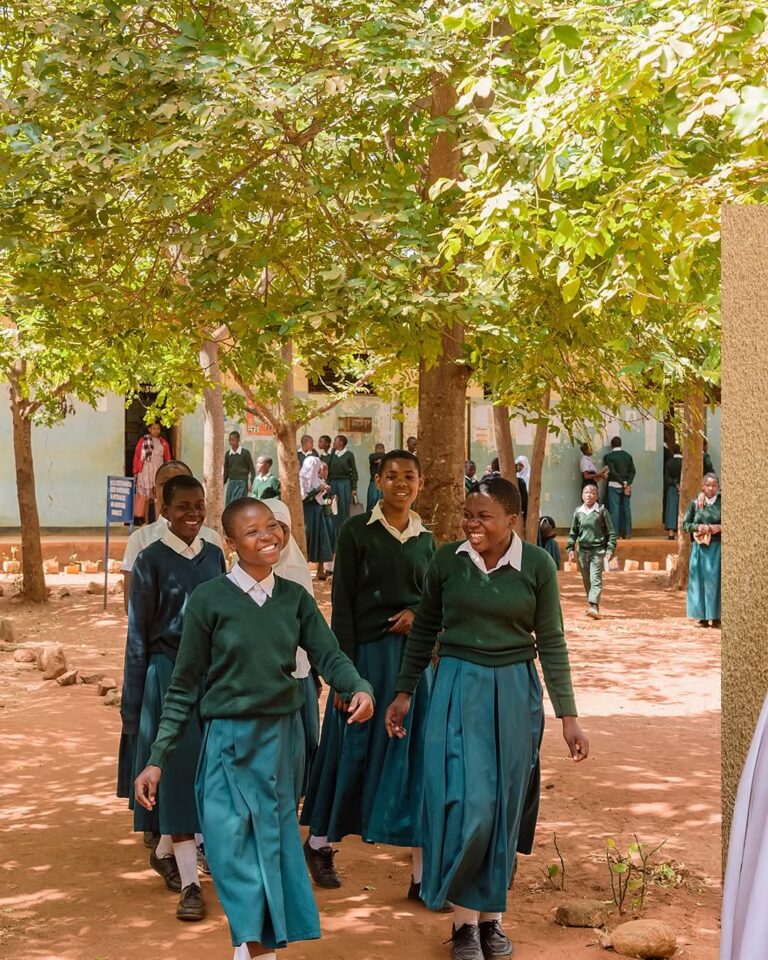
The Malala Fund has awarded $2.95 million to organisations advancing girls’ education and rights in Nigeria, supporting efforts to help girls stay in school and return to learning when marriage or pregnancy interrupts their education.
The investment was detailed in the Fund’s 2025/2026 annual report, which recorded grants totalling $9.8 million to 43 organisations across nine countries during the financial year ending in March 2026.
Made available to the News Agency of Nigeria in Abuja on Thursday, the report highlighted support for Nigerian partners working with girls and communities to strengthen education rights, improve public financing and widen access to schooling.
For girls facing barriers ranging from the cost of menstrual products to exclusion after pregnancy, the policy changes outlined in the report could provide opportunities to continue their education.
Bauchi addresses menstrual health and school re-entry
In Bauchi, the Fund reported that the State House of Assembly passed a menstrual hygiene bill providing for free sanitary pads in schools. The measure aims to reduce absenteeism and support girls’ participation in learning.
The state also adopted its Gender in Education Policy for 2026–2030, which includes guidelines enabling married and pregnant girls to return to formal education and continue their studies.
These measures address practical and institutional barriers that can disrupt girls’ schooling, although their impact will depend on implementation.
Kano targets funding and access
In Kano, the state government adopted a gender-responsive education budget framework developed with support from Bridge Connect Africa Initiative.
The framework is designed to improve planning and direct education resources towards girls who are out of school or at risk of dropping out, particularly in rural communities.
The Fund also reported that Kano became the first Nigerian state to adopt national school re-entry guidelines for married girls and adolescent mothers, with support from ACE Charity.
According to the report, engagement with the Kano State Ministry of Education helped prioritise adolescent mothers within the state’s education sector plan.
About $100,000 was allocated in Kano’s 2026 budget to support school re-entry, including dedicated learning spaces for married and pregnant girls.
Child marriage continues to disrupt education
The Fund identified child marriage as a major obstacle to girls’ enrolment, attendance and completion of schooling.
Its report cited figures indicating that 34 per cent of Nigerian girls marry before the age of 18, with the proportion rising to about 50 per cent in the Northeast and Northwest.
A coalition led by Education as a Vaccine, YouthHubAfrica, the Civil Society Action Coalition on Education for All and Onelife Initiative is advocating stronger action.
The coalition is urging states to implement the National Strategy to End Child Marriage, develop action plans with clear timelines and budgets, and adopt school re-entry guidelines.
The Fund’s 2025–2030 strategy focuses on strengthening civil society advocacy, advancing education policy and financing reforms, and supporting girls’ learning during crises and emergencies.
Co-founded by Nobel Peace Prize laureate Malala Yousafzai, the organisation works with partners to advance access to 12 years of free, safe and quality education for girls.
For the Nigerian communities covered by these initiatives, the test will be whether policy commitments translate into funded programmes, accessible classrooms and support that allows girls to complete their education.
Atlantic Reports: Voices. People. Facts.
Written by
Atlantic Reports Admin
Comments
- Be the first to comment.