MSF Urges Nigeria to Bring Noma Care into Primary Healthcare
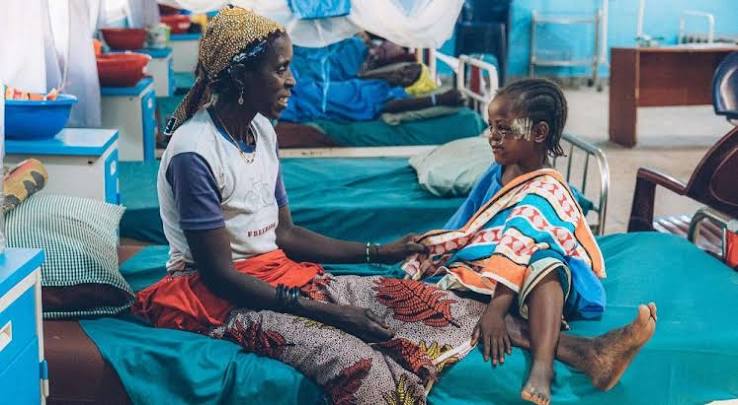
By Atlantic Reports
Médecins Sans Frontières (MSF), also known as Doctors Without Borders, has urged Nigeria to integrate noma prevention, early detection, treatment and surveillance into primary healthcare, warning that delayed diagnosis can have devastating consequences for children.
MSF Nursing Activity Manager at Noma Hospital, Sokoto, Ajamah Samuel, made the call while addressing journalists in Sokoto on Monday.
He said stronger community awareness, better training for frontline health workers and effective referral systems would help patients receive appropriate care before the disease advances.
Samuel described noma as a non-contagious, rapidly progressing disease that destroys facial tissues and bones, potentially causing severe disfigurement and life-threatening complications.
“Between 70 and 90 per cent of people affected by the disease die if they do not receive appropriate treatment,” he said.
Reaching children before the disease advances
Samuel said noma primarily affected children below seven years, particularly those living in extreme poverty and communities with limited access to healthcare.
He identified malnutrition, poor oral hygiene and recurrent infections among the factors increasing vulnerability.
According to him, many patients pass through several health facilities before receiving the correct diagnosis, losing valuable time for treatment.
“Noma is preventable and treatable. No child should suffer or die from a disease that can be detected early and effectively managed,” he said.
He called for noma to be included in routine disease surveillance and child health programmes, supported by essential medicines, nutritional care and clear referral pathways to specialised centres.
Recognition must lead to services
Samuel said the World Health Organisation’s recognition of noma as a Neglected Tropical Disease in 2023 had increased its visibility, but the condition remained largely absent from routine healthcare services.
He urged authorities to translate that recognition into investment in prevention, diagnosis and comprehensive care.
His appeal also linked noma to wider gaps in nutrition, immunisation and access to primary healthcare. Addressing those gaps, he said, was essential to protecting vulnerable children.
Care beyond surgery
Samuel said survivors could experience difficulties eating, speaking and breathing, alongside psychological distress, stigma and barriers to education and employment.
He stressed that care should extend beyond medical treatment to include nutritional rehabilitation, physiotherapy, psychosocial support and reconstructive surgery.
MSF has supported Noma Hospital in collaboration with the Sokoto State Ministry of Health since 2014, he said.
According to Samuel, MSF teams performed 1,645 reconstructive surgeries on 1,078 patients between 2014 and 2025. The surgery total is distinct from the number of patients, as some received more than one procedure.
He said 1,034 patients received treatment and support in 2025, including surgical, nutritional, physiotherapy and psychosocial services.
The first surgical intervention of 2026, held from April 17 to May 1, involved 55 reconstructive surgeries. A final intervention for the year was ongoing, with 40 patients expected to undergo surgery. That figure represents planned treatment, rather than completed procedures.
“Recognition of noma as a Neglected Tropical Disease was an important step, but recognition alone is not enough. We now need practical investment in prevention, early diagnosis and access to care,” Samuel said.
For families in underserved communities, the immediate challenge is reaching a health worker who can recognise the disease and arrange timely treatment. MSF’s call places that responsibility within everyday healthcare, alongside sustained support for survivors.
Atlantic Reports: Voices. People. Facts.
Written by
Atlantic Reports Admin
Comments
- Be the first to comment.