Nigeria Still Lags in Economic Independence at 66 — Kano Elder Statesman
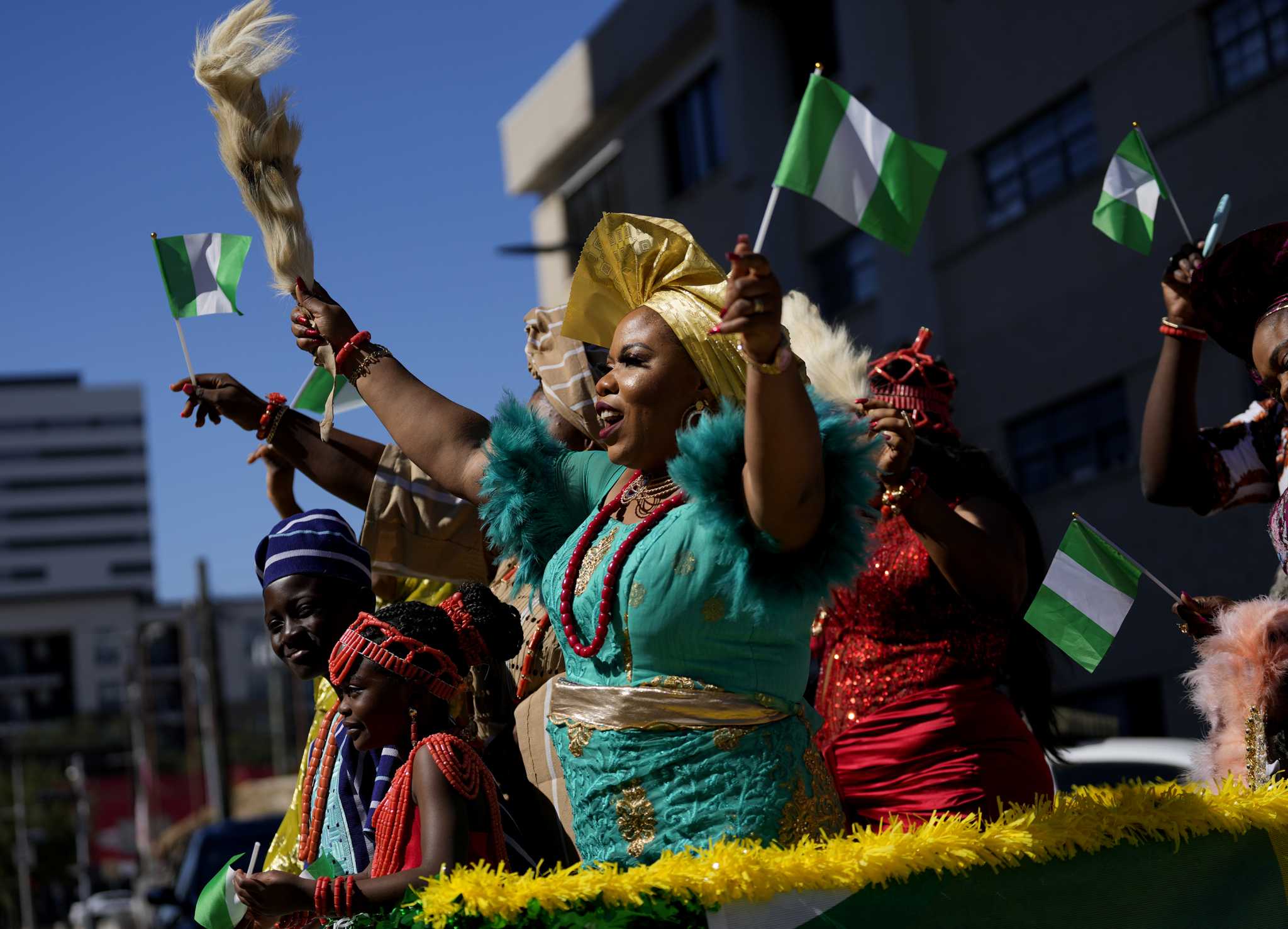
Alhaji Sa'idu Dattijo Adahama, a Kano elder statesman, says Nigeria has attained political independence but has yet to achieve the economic independence envisioned by its founding fathers.
Adahama said the country's founding leaders envisaged a united, economically productive nation capable of producing and exporting goods while developing its human capital. He explained that the founding generation had also hoped to build an economy driven by indigenous industries and entrepreneurship, with an educated citizenry positioned to lead national development.
Economic Aspirations Yet to Be Realised
Adahama said his interactions with people and institutions in the early post-independence period convinced him that economic development sat at the heart of the founding leaders' aspirations. He acknowledged that Nigeria has recorded some achievements — particularly in maintaining national unity — but argued that leadership challenges and economic policies have hindered the country's overall progress.
He pointed to the Nigerian Enterprises Promotion Decree of the 1970s as one example of past efforts aimed at increasing indigenous participation and ownership in the economy. According to him, Nigeria should return to policies that promote local production, indigenous industries, and entrepreneurship, arguing that excessive dependence on imports has weakened the country's productive capacity over time.
Adahama identified currency depreciation and what he described as excessive trade liberalisation among the key factors affecting local businesses, employment, and the country's ability to produce goods for export.
Call for Skills-Based Education
He also called for greater emphasis on skills acquisition within the education system, warning those academic qualifications without practical skills could leave graduates dependent on scarce white-collar jobs. "Education without skills — that is the most unfortunate thing," he said, urging government to develop a skill-based education system capable of producing a genuinely productive population.
Public-Private Partnerships in Healthcare, Infrastructure
On healthcare and infrastructure, Adahama advocated stronger public-private partnerships, arguing that government alone cannot meet all the service demands of Nigeria's growing population. He urged greater private-sector participation in healthcare, medicine production, infrastructure, and electricity, while also calling for the expansion of solar energy, particularly across northern Nigeria.
Linking Insecurity to Poverty and Ignorance
Adahama attributed insecurity and social instability partly to poverty and ignorance, urging government to make more effective use of the media to promote peace, unity, economic opportunity, and public enlightenment. He also called for greater honesty and trust between leaders and citizens, stressing that corruption, tribalism, and selfishness must be addressed if Nigeria is to fulfil the aspirations of its independence generation.
The elder statesman said both leaders and citizens must demonstrate patience, honesty, and commitment to national development, urging leaders to ensure the proper management of public resources while calling on citizens to remain patient with ongoing economic reforms.
Praise for Current Administration's Job Creation Efforts
On the current administration, Adahama said he was particularly impressed by what the government has achieved in job creation, describing job creation and local production as areas that require sustained attention going forward.
Adahama, who said he has been an employer of labour for 48 years, urged government to prioritise policies that would enable Nigerians to produce what the country currently imports. He also advised the President to seek divine guidance in leading the nation.
Written by
Atlantic Reports Admin
Comments
- Be the first to comment.