NNPC Rules Out Return of Fuel Subsidy, Extends Petrol Discount Until October 31
By Atlantic Reports
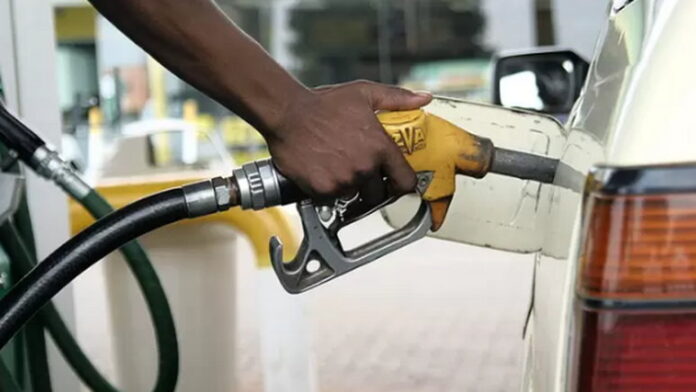
The Nigerian National Petroleum Company Limited (NNPC Ltd.) has dismissed suggestions that its ongoing fuel discount initiative signals a return to petroleum subsidy, insisting that the measure is a temporary intervention designed to ease the financial burden on Nigerians amid rising energy costs.
The company confirmed that the discount, introduced on October 1 to commemorate Nigeria’s 66th Independence Anniversary, would remain in effect until October 31, 2026, across its retail stations nationwide.
The clarification comes amid concerns over rising fuel prices and their consequences for transportation, household spending, business operations and the cost of essential goods and services.
In a statement issued on Friday, October 9, NNPC's Chief Corporate Communications Officer, Andy Odeh, explained that the initiative was intended to provide immediate relief to consumers while preserving the existing market-based pricing framework.
Rising Fuel Costs Put Pressure on Nigerian Households
The company's intervention comes against the backdrop of elevated global crude oil prices, which NNPC linked to the ongoing conflict in the Middle East.
For Nigerian households, changes in petrol prices have implications beyond the cost of filling vehicle tanks. Higher transportation expenses can increase the cost of moving agricultural produce, manufactured goods and other essential commodities across the country.
Small businesses, particularly those dependent on petrol-powered generators and commercial transportation, also face additional operating costs when fuel prices rise.
NNPC said its discount initiative was designed to cushion some of these pressures while supporting broader government efforts to address the economic consequences of rising energy prices.
According to the company, the measure aligns with the Federal Government's stated commitment to providing relief to citizens during periods of global market uncertainty.
Discount Does Not Mean Subsidy Has Returned, NNPC Insists
Addressing speculation surrounding the initiative, Odeh maintained that the discount should not be interpreted as a reversal of Nigeria's petroleum pricing reforms.
“This discount is a customer relief initiative and does not represent the reintroduction of petroleum subsidy,” he stated.
He explained that the arrangement applies specifically to NNPC-operated retail outlets and does not establish a uniform petrol pump price across the country.
The company also maintained that the initiative would not alter the market-based pricing structure governing petroleum products.
This distinction is important because a commercial discount offered by a petroleum retailer is different from a government subsidy intended to reduce the price consumers pay through public financial support.
However, NNPC's statement did not specify the value of the discount per litre, its estimated total cost or the financial arrangements supporting the intervention.
These details would help consumers and industry observers assess the scale of the relief and its potential impact on the company's operations.
NNPC Links Initiative to Government's Economic Relief Measures
The company also referenced an October 8 statement attributed to the Minister of Finance and Coordinating Minister of the Economy, Taiwo Oyedele, concerning measures to cushion the effects of rising global crude oil prices.
NNPC clarified that its discount programme had already commenced on October 1, before the ministerial announcement.
Odeh said the company remained committed to working with the government and relevant stakeholders to reduce the economic pressure associated with higher fuel costs.
He described the discount as a practical response to prevailing market conditions, while emphasising the need to maintain commercially responsible operations.
The company further urged Nigerians to disregard interpretations suggesting that the temporary price reduction amounted to the restoration of petroleum subsidy.
What the Discount Means for Consumers
Although the initiative provides a limited period of price relief, its actual benefit to consumers will depend on the discount applied at participating stations and prevailing pump prices.
NNPC has not indicated that independent petroleum marketers or other retail operators are required to adopt similar reductions.
Consequently, motorists may continue to encounter different petrol prices across retail outlets, depending on market conditions and individual operators' pricing decisions.
The October 31 expiration date also raises questions about what consumers should expect when the temporary intervention ends, particularly if international crude oil prices remain elevated.
For households and businesses already struggling with transportation and energy expenses, the longer-term concern remains the affordability and stability of petroleum products.
Questions Remain Over Long-Term Fuel Affordability
While NNPC has presented the discount as a consumer-focused intervention, several issues remain unresolved.
The company has yet to publicly establish, in the statement provided, how much consumers will save per litre, whether the discount will remain constant throughout October or how its effectiveness will be assessed.
There is also no indication that the arrangement will continue beyond the announced deadline.
For now, NNPC's position is that the initiative represents temporary commercial relief rather than a fundamental change in national petroleum pricing policy.
As the October 31 deadline approaches, attention will turn to whether the measure delivers meaningful savings to consumers and what additional steps government and industry operators may take to address the persistent pressure of fuel costs on Nigeria's economy.
Atlantic Reports: Voices. People. Facts.
Written by
Atlantic Reports Admin
Comments
- Be the first to comment.