Oyedele Leads Nigeria’s Delegation to IMF–World Bank Meetings in Bangkok
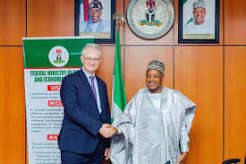
By Atlantic Reports
Minister of Finance and Coordinating Minister of the Economy, Mr Taiwo Oyedele, is leading Nigeria’s delegation to the 2026 Annual Meetings of the International Monetary Fund (IMF) and World Bank Group in Bangkok, Thailand.
The meetings are scheduled for 12 to 18 October at the Queen Sirikit National Convention Center, with delegations from more than 190 countries expected to participate. thailand.go.th
Nigeria’s delegation includes chief executives of financial institutions, private-sector representatives, civil society organisations, non-governmental organisations and other stakeholders.
The gathering provides a platform for discussions on the global economic outlook, financial stability, poverty reduction and inclusive growth, alongside consultations between national delegations and international financial institutions.
Economic Outlook and Financial Risks
The IMF is expected to release its World Economic Outlook and Global Financial Stability Report during the meetings.
The World Economic Outlook examines economic developments and provides growth projections, while the Global Financial Stability Report assesses vulnerabilities across the international financial system.
Discussions will also address reforms to the global financial architecture, support for developing economies and the economic consequences of climate change.
For Nigeria, these issues concern the conditions under which government and businesses access finance, manage economic risks and pursue investment and development.
Participation in the meetings does not, by itself, constitute a financing agreement or investment commitment. The supplied account did not specify Nigeria’s negotiating priorities, funding requests or expected agreements.
Different Roles, Shared Development Concerns
The IMF and World Bank emerged from the 1944 Bretton Woods conference but perform distinct functions.
The IMF focuses on international monetary stability. It monitors economic developments, provides policy advice and offers financing to member countries facing balance-of-payments difficulties.
The World Bank concentrates on poverty reduction and development, providing financing, technical assistance and policy support for projects and programmes in developing countries.
Their annual meetings bring these responsibilities together through discussions involving finance ministers, central bank governors, development specialists and other stakeholders.
For Nigerians, the significance of the delegation’s engagements will depend on any resulting policies, agreements or investment commitments, and how these affect livelihoods, public services and economic opportunities.
Atlantic Reports: Voices. People. Facts.
Written by
Atlantic Reports Admin
Comments
- Be the first to comment.