Petrol Discount: Dansu Urges Lasting Measures to Make Fuel Affordable
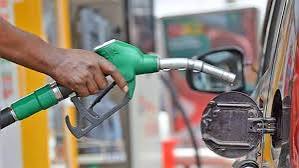
A former lecturer at Lagos State University (LASU), Dr Tony Dansu, has urged the Federal Government to pursue lasting measures to make petrol affordable and accessible, saying rising prices are weakening purchasing power and increasing the cost of everyday necessities.
Speaking during an interview in Lagos on Sunday, Dansu called for investment in public refineries, efficient distribution and a transparent domestic pricing framework.
His remarks followed the Federal Government’s reported October 8 announcement of a 30-day petrol discount at Nigerian National Petroleum Company Limited (NNPCL) retail stations, with priority for public transport operators.
According to the announcement described in the supplied account, the Minister of Finance and Coordinating Minister of the Economy, Mr Taiwo Oyedele, said the discount would come from reduced profit margins at the stations rather than a return to petrol subsidies.
Rising Costs Across the Economy
Dansu said petrol prices approaching ₦1,400 per litre had become a major economic and social concern. The figure was his assessment, rather than a verified nationwide retail price.
He linked higher fuel costs to increased transport fares, food prices and production expenses, saying households and businesses were struggling with the resulting pressure.
“Citizens should not be left entirely at the mercy of international market fluctuations when their country is blessed with crude oil resources,” he said.
Dansu argued that petroleum-sector policy should be judged by its effect on citizens’ welfare, particularly their ability to afford transport, goods and services.
Refineries and Transparent Pricing
The former lecturer urged the government to make public refineries fully functional, efficient and accountable, with the aim of reducing dependence on imported refined petroleum products.
He said the answer was strategic public investment, effective management and responsible use of national resources, rather than wasteful subsidies.
“Export prices can reflect global market realities, while domestic consumption should benefit from the advantages of local refining, reduced import dependence and a pricing policy designed to protect citizens and the productive economy,” he said.
His proposal did not include a target pump price, estimated investment cost or detailed mechanism for balancing affordability with refining and distribution expenses.
Dansu nevertheless maintained that reliable refining, efficient distribution and transparent pricing were achievable objectives requiring political will and effective implementation.
“Government must move beyond explaining why prices are rising and demonstrate the political will to make energy affordable,” he said.
“The ultimate measure of petroleum-sector reform should not be how freely prices rise, but how effectively the system serves the welfare of the people.”
He added that Nigeria’s resource wealth should be measured by how much it improves citizens’ lives, rather than simply by the crude oil beneath its soil.
Atlantic Reports: Voices. People. Facts.
Written by
Atlantic Reports Admin
Comments
- Be the first to comment.