Tinubu Hails Economic Gains, Urges States to Improve Living Standards
By Atlantic Reports
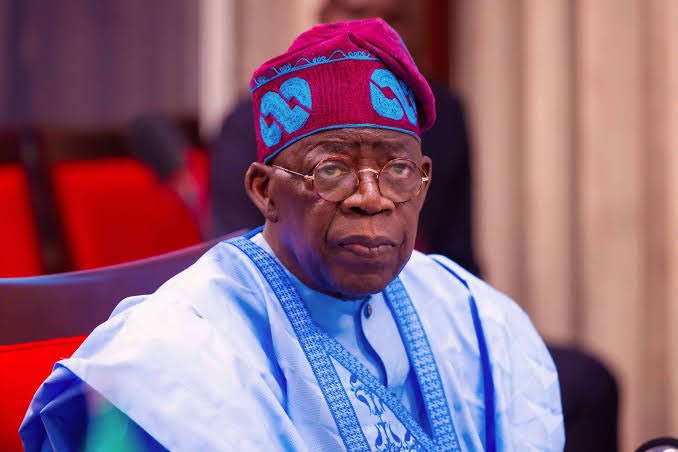
President Bola Tinubu has said the World Bank’s latest assessment of Nigeria’s economy supports his administration’s reform programme, while acknowledging that improved economic indicators must translate into better living conditions for households.
In a statement issued on Sunday in Abuja by presidential spokesperson Bayo Onanuga, Tinubu urged state governments to use increased revenues prudently, with greater attention to healthcare, education and projects that directly benefit Nigerians.
The President was responding to the October 2026 Nigeria Development Update, titled Beyond the Federal Purse: How Higher Revenues Reshaped State Priorities.
The World Bank reported that Nigeria’s economy grew by 4.2 per cent in the first half of 2026, compared with 3.9 per cent in the corresponding period of 2025. It also said the poverty rate had stabilised for the first time since 2019, although inflation continued to weaken household purchasing power. worldbank.org
Tinubu attributed the improvements to petrol subsidy removal, foreign exchange market unification and stronger fiscal discipline, saying the policies had increased resources available to all tiers of government.
“The dividends of reform are becoming visible,” he said.
“But more work remains to ensure they fully translate into better living standards for every household, starting with lower food prices and decent jobs for our young people.”
Higher Revenues, Greater Responsibility
The World Bank said gross federation revenues increased by 69 per cent in real terms between 2023 and 2025, with states recording the largest increase in revenue flows. It stressed that spending efficiency, accountability and service delivery would determine whether the additional resources improved lives. worldbank.org
According to the presidential statement’s summary of the report, state capital expenditure rose by 151 per cent in real terms over the period, with much of the increase directed towards roads, transport, agriculture, energy and housing.
The statement said 29 of the 33 states covered by that spending analysis shifted priorities towards economic infrastructure, while real social spending per person increased in all but one state.
It also cited growth in internally generated revenue in 31 of 35 states and reductions in debt-to-GDP ratios in 21 states between 2021 and 2025.
“I urge state governments to use their higher revenues more prudently and prioritise projects that improve the living standards of Nigerians, and the health and education of our people,” Tinubu said.
Promises of Household Support
Tinubu pledged to expand targeted cash transfers, accelerate the deployment of Compressed Natural Gas, increase agricultural productivity and improve access to affordable healthcare and quality education.
He said cash transfers had already reached more than 10 million households. The statement did not provide a breakdown of beneficiaries, payment frequency or the value received by each household.
The Presidency also cited projected average economic growth of at least 4.4 per cent between 2026 and 2028, with inflation expected to ease to about 12 per cent by 2028. These are forecasts rather than achieved outcomes.
The World Bank’s assessment places the next challenge on translating economic stability and increased public resources into jobs, poverty reduction and better services. worldbank.org
For households, the practical test remains whether incomes stretch further, food becomes more affordable and public spending produces reliable services.
Atlantic Reports: Voices. People. Facts.
Written by
Atlantic Reports Admin
Comments
- Be the first to comment.