West African Arrivals to Europe Fall as Sea Routes Grow More Dangerous
By Atlantic Reports
Arrivals in Europe from Mali, Senegal, Guinea and The Gambia fell by 59 per cent in the first half of 2026 compared with the same period a year earlier, according to new data released by the International Organisation for Migration (IOM).
The UN migration agency recorded 4,566 arrivals from those countries during the period. The figure covers those four nationalities, rather than all migration from West Africa.
IOM warned that declining arrivals did not mean journeys had become safer, pointing to dangerous crossings and changes in departure locations.
Fewer Arrivals, Persistent Loss of Life
On the Atlantic route to Spain’s Canary Islands, arrivals fell by 62 per cent between 2024 and 2025.
However, recorded deaths and disappearances changed only slightly, from 1,215 to 1,172, according to the agency.
Those figures concern a different period from the first-half 2026 arrivals data. They nevertheless show that the steep decline in arrivals on the Atlantic route was not matched by a similar fall in recorded loss of life.
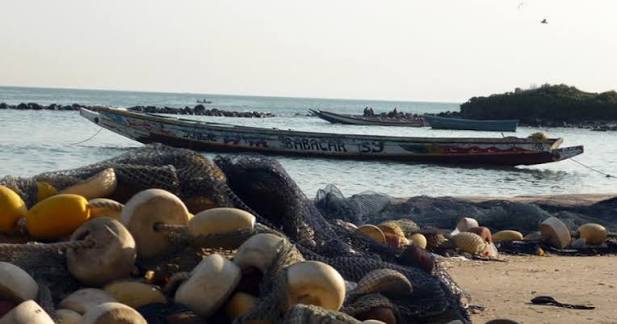
IOM said tighter controls in Morocco, Mauritania and Senegal were pushing departure points further south, potentially adding up to 750 kilometres to crossings of around 2,200 kilometres.
Longer journeys leave people facing greater distances at sea before reaching their destination.
Routes and Arrival Patterns Shift
The agency also reported that West Africans accounted for 21.9 per cent of arrivals on the Western Mediterranean route, up from 15.6 per cent.
That increase describes their share of arrivals, rather than necessarily an increase in the number of West Africans using the route. The supplied account did not specify the comparison periods or total arrivals underlying those percentages.
The findings point to changing migration patterns, with reduced arrivals in some categories occurring alongside continued exposure to dangerous sea routes.
Call for Shared Protection
IOM emphasised the need for safe migration pathways and opportunities that reduce pressure to undertake hazardous journeys.
“No single country can solve this alone,” Director-General Amy Pope said. “We need to protect migrants wherever they are.”
The figures underline why arrival totals alone are an incomplete measure of migration conditions. Assessing progress also requires attention to deaths, disappearances and whether people have access to safer alternatives.
Atlantic Reports: Voices. People. Facts.
Written by
Atlantic Reports Admin
Comments
- Be the first to comment.