Africa’s Instant Payment Transactions Hit $1.8 Trillion as Digital Finance Expands, Report Finds
By Atlantic Reports
Instant payment systems across Africa processed 71.4 billion transactions valued at approximately $1.8 trillion in 2025, highlighting the growing adoption of digital payments for everyday economic activities, according to a new report.
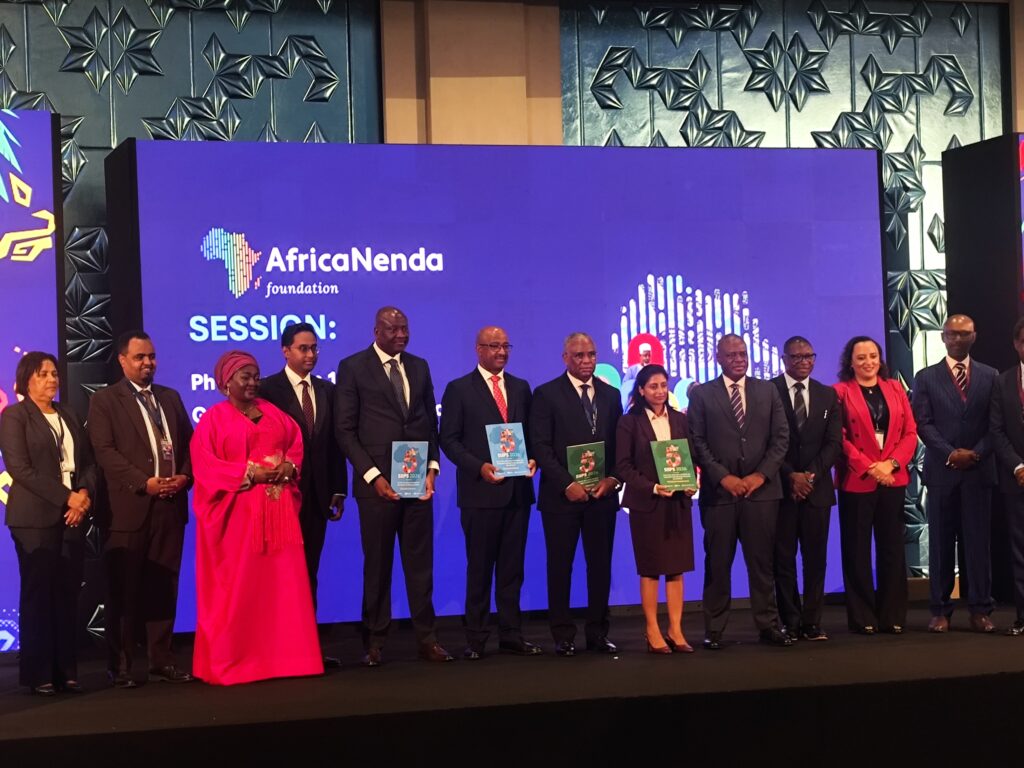
The findings are contained in the 2026 State of Inclusive Instant Payment Systems (SIIPS) in Africa Report, published by AfricaNenda Foundation with support from the World Bank Group and the United Nations Economic Commission for Africa (UNECA).
The report was launched on Thursday in Balaclava, Mauritius.
It showed that transaction volumes increased by an average of 28 per cent annually between 2021 and 2025, while transaction values grew by an average of 11 per cent over the same period.
According to the report, the faster growth in transaction volumes suggests that Africans are increasingly using digital payment platforms for smaller, everyday purchases rather than relying mainly on instant payment systems for occasional large transfers.
The average transaction value declined from $43 in 2022 to $26 in 2025, while mobile money transactions averaged approximately $9.
Mobile Money Drives Transaction Volumes
The report identified mobile money as the dominant channel by transaction volume, accounting for 73 per cent of instant payment transactions across the continent.
However, cross-domain instant payment systems, which connect banks, mobile money operators and other payment providers, accounted for 67 per cent of transaction values.
Bank-based instant payment systems recorded the fastest growth in 2025, with transaction volumes increasing by 42 per cent and transaction values rising by 21 per cent.
The report attributed the growth to a relatively small number of large payment systems.
By comparison, mobile money systems recorded seven per cent growth in transaction volumes, while their transaction values declined by 10 per cent in dollar terms.
The report also explained that Africa's total transaction value fell from $1.99 trillion in 2024 to approximately $1.83 trillion in 2025, partly because of exchange-rate fluctuations.
However, transaction values increased by seven per cent when measured in local currencies.
Instant Payments Linked to Financial Inclusion
Beyond transaction growth, the report examined the relationship between instant payment systems and broader economic development.
Its first econometric analysis found that countries with instant payment systems recorded approximately seven percentage points higher active usage of financial accounts than countries without such systems.
The analysis also associated the presence of these systems with GDP per capita levels approximately 17 per cent higher and government expenditure equivalent to 0.8 percentage points more of GDP.
However, the report cautioned that these findings represented early and directional evidence rather than definitive proof that instant payment systems alone caused the differences.
It clarified that the estimated GDP effect reflected a sustained increase in income levels rather than a permanent acceleration in economic growth.
The report explained that instant payment systems could support economic activity by reducing reliance on cash, helping merchants formalise their businesses and creating transaction records that could improve access to credit.
Nigeria, Tanzania and Egypt Highlighted
The report identified Nigeria's instant payment infrastructure as an example of how digital financial services could reduce operating costs for micro, small and medium-sized enterprises (MSMEs).
It noted that Nigeria's Inter-Bank Settlement System could help businesses eliminate costs associated with payment float and reconciliation.
Tanzania's instant payment system was highlighted for encouraging business-account activation, while Egypt's InstaPay was identified as contributing to the transition from cash-based transactions to digital payments.
These examples demonstrate how instant payment infrastructure can support businesses, improve financial accessibility and make commercial transactions more efficient.
Cash Remains Significant Despite Digital Growth
Despite the expansion of instant payments, the report warned that trust remained a major factor determining whether users would continue adopting digital financial services.
Research involving 1,403 individuals and MSMEs across 15 African markets found that 55 per cent of respondents still used cash for approximately half of their transactions.
Only 33 per cent relied on digital payments for most of their transactions.
The report identified three important features influencing users' confidence in digital payment systems: instant transaction execution, clear confirmation messages and the ability to verify recipients before transferring money.
It also warned that failed transactions, fraud and ineffective dispute-resolution processes could discourage adoption, particularly when customers lost money without being able to recover it.
AfricaNenda Calls for Stronger Consumer Protection
To strengthen confidence in digital payments, AfricaNenda recommended that payment operators introduce recipient verification, real-time transaction confirmations and effective dispute-resolution mechanisms.
It also urged operators to strengthen fraud detection through artificial intelligence, review pricing structures and expand value-added services to maintain affordable payment systems.
The report further called on regulators to establish stronger consumer-protection standards, improve access for licensed non-bank payment providers and introduce appropriate identification requirements for basic merchant accounts.
It also recommended using transaction data to expand access to credit, savings and insurance for MSMEs.
The findings reinforce the growing importance of instant payment systems as part of Africa's digital public infrastructure.
However, the report stressed that sustaining the gains will require more than increasing transaction volumes. Affordable services, reliable infrastructure, effective fraud prevention and stronger consumer protection will be essential to ensuring that digital payments translate into wider financial and economic inclusion.
Atlantic Reports: Voices. People. Facts.
Written by
Atlantic Reports Admin
Comments
- Be the first to comment.