LPG Marketers Seek Pricing Transparency, Fair Competition to Lower Cooking Gas Costs
By Atlantic Reports
The Nigerian Association of Liquefied Petroleum Gas Marketers (NALPGAM) has called for greater transparency in the pricing and distribution of Liquefied Petroleum Gas (LPG), commonly known as cooking gas, to ease the financial burden on Nigerian households and businesses.
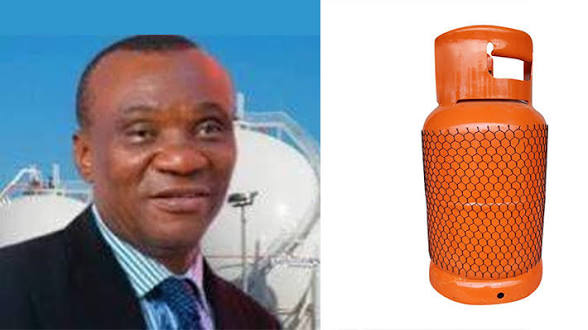
The association's President, Mr Edu Inyang, made the appeal in an interview with the News Agency of Nigeria (NAN) on Sunday in Lagos.
Inyang said increased domestic production, particularly from the Dangote Refinery, had improved supply prospects but had not automatically resulted in lower retail prices.
He identified wholesale pricing, distribution efficiency, transportation expenses, foreign exchange exposure and international market prices as major factors influencing the cost of cooking gas.
According to him, Nigeria's challenge extends beyond producing more LPG to ensuring that sufficient quantities reach consumers at affordable prices across the country.
NALPGAM Questions Wide Pricing Differences
The association expressed concern over the significant differences between refinery gantry prices and depot selling prices.
Inyang said such differences should reasonably reflect legitimate operating expenses, including transportation, handling, storage and financing.
However, he argued that excessive price differences, particularly when products are sourced locally, require greater transparency and regulatory scrutiny.
He explained that marketers generally operate as price takers because they purchase LPG at prevailing depot prices before adding transportation, operational and distribution costs.
The association also raised concerns about supply allocation, inconsistent depot pricing and unequal access to products, which it said could undermine fair competition.
Inyang cautioned against assuming that deliberate hoarding or price manipulation was taking place without proper investigations.
He maintained that no single supplier or group of operators should control market conditions to the disadvantage of other businesses and consumers.
NMDPRA Urged to Strengthen Market Oversight
NALPGAM called on the Nigerian Midstream and Downstream Petroleum Regulatory Authority (NMDPRA) to strengthen monitoring of LPG depot inventories, product receipts, sales and distribution.
The association also recommended that the regulator:
-
Ensure transparent product allocation among market participants.
-
Investigate unexplained differences in wholesale and depot prices.
-
Enforce competition regulations.
-
Sanction operators found to have engaged in anti-competitive practices.
-
Regularly publish data on domestic production, imports, depot prices and product availability.
Inyang said reliable industry information would improve accountability and enable consumers and market participants to better understand pricing movements.
Dangote Refinery, NLNG Engagements
The NALPGAM president disclosed that the association was engaging domestic producers, major suppliers, depot operators and regulators to improve product availability and encourage competitive pricing.
He identified Dangote Refinery and Nigeria LNG Limited (NLNG) among the suppliers with which the association was engaging.
According to him, the discussions are aimed at promoting direct and transparent supply arrangements that could reduce unnecessary intermediaries and improve distribution efficiency.
He also urged LPG marketers to improve operational efficiency, avoid unjustified price mark-ups and adopt responsible pricing practices.
However, he stressed that marketers could not independently determine refinery or depot prices, adding that sustainable reductions must begin with competitive wholesale supply.
Infrastructure and Financing Identified as Priorities
Inyang outlined several measures that could improve LPG affordability, including consistent domestic supply, stronger enforcement of the domestic supply framework and competitive pricing by producers and depot operators.
He also advocated increased investment in storage facilities, coastal terminals and inland distribution infrastructure.
Other recommendations included reducing transportation, vessel and port charges, providing affordable financing for marketers and infrastructure investors, and expanding the cylinder recirculation programme.
He said improved infrastructure would help address distribution challenges and make cooking gas more accessible to consumers in different parts of the country.
Price Stability Before 2027 Remains Uncertain
On the possibility of cooking gas prices stabilising before the end of 2026, Inyang said it was difficult to guarantee a particular price level because several market factors remained beyond the control of marketers.
He nevertheless expressed optimism that improved domestic supply, transparent pricing, fair product allocation and effective regulatory oversight could help moderate prices.
He also described Nigeria's natural gas resources and growing processing capacity as opportunities to strengthen the country's position in the LPG market.
According to him, the Federal Government's Decade of Gas initiative provides a policy framework for expanding domestic gas utilisation, but increased production must deliver measurable benefits to consumers.
“My message to Nigerians is that domestic LPG production must translate into domestic affordability.
“It is not enough for Nigeria to produce more cooking gas; Nigerians must also be able to buy it at reasonable and sustainable prices,” he said.
Households and Small Businesses Bear the Cost
Rising cooking gas prices have implications for household budgets, restaurants, food vendors and small businesses that depend on LPG for daily operations.
For many consumers, the affordability of cooking gas is determined not simply by national production figures but by the final retail price, availability and cost of transporting the product to local markets.
NALPGAM said the success of Nigeria's gas development agenda should therefore be measured not only by production volumes but also by the availability and affordability of cooking gas to ordinary Nigerians.
The association maintained that it was not advocating artificial price controls but a market driven by transparency, fair competition and efficient distribution.
Whether these proposals will translate into lower retail prices will depend on the response of producers, depot operators, regulators and other participants across the LPG supply chain.
Atlantic Reports: Voices. People. Facts.
Written by
Atlantic Reports Admin
Comments
- Be the first to comment.