Artists Turn Creative Works into Campaign Against Antibiotic Misuse, Drug Abuse
By Atlantic Reports
Nigerian artists have used paintings, drawings and other creative expressions to raise awareness about antibiotic misuse, antimicrobial resistance and the health consequences of drug abuse.
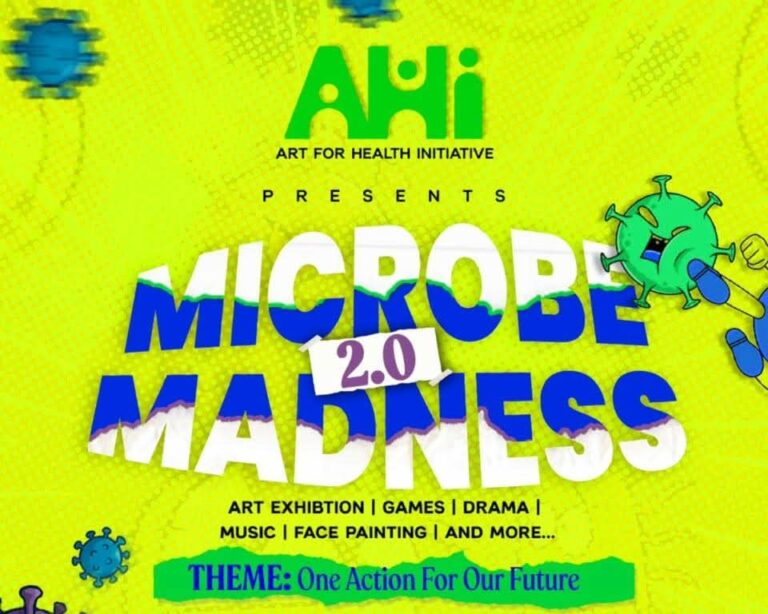
The artworks were presented at the Art for Health Initiative (AHi) Micro Madness 2.0 event in Lagos on Friday, as part of activities marking the 2026 World Antimicrobial Resistance Awareness Week, observed from 18 to 24 November.
The initiative used visual storytelling to communicate health messages, encourage responsible medication practices and promote behavioural change.
According to the World Health Organisation (WHO), antimicrobial resistance (AMR) occurs when bacteria, viruses, fungi and parasites stop responding to medicines, making infections increasingly difficult to treat.
Art illustrates the dangers of antibiotic misuse
One of the participating artists, Chizubere Echemazu, used ballpoint pen drawings to depict the consequences of inappropriate antibiotic use.
She explained that her artwork showed a woman surrounded by antibiotics, with her facial expression representing the physical and emotional struggles associated with medication misuse.
Echemazu said the image was designed to encourage people to think carefully before taking medicines and ask whether a particular antibiotic was suitable for their condition.
Questions raised by the artwork included whether an illness was caused by bacteria, a virus or a fungus, whether a medical professional had prescribed the medicine and whether appropriate laboratory tests had been conducted.
She said the transformation in the woman's expression, accompanied by the disappearance of visual embellishments, represented improved awareness, responsible medication use and healthier choices.
The message highlights the risks of treating illnesses without proper diagnosis, particularly when antibiotics are taken for infections they cannot treat.
Paintings explore drug abuse and mental health
Another participating artist, Joseph Odewale, used abstract painting, colour and symbolism to communicate messages about hope, danger, resistance and mental wellbeing.
He explained that yellow represented hope, white symbolised peace, while black conveyed danger and the darker aspects of human experience.
His artwork, titled “Art for Health”, explored the therapeutic value of creative expression, presenting art as a means of developing talent, earning an income and supporting mental wellbeing.
Odewale also used his work to warn against hard drug abuse, depicting a man experiencing mental instability associated with substance use.
He said the image drew attention to the possible consequences of drug abuse, including mental health challenges and kidney damage.
He also explained that the guitar featured in the artwork symbolised music and creative expression as possible outlets for people dealing with emotional pain and psychological difficulties.
WHO warns of growing antimicrobial resistance threat
The WHO Regional Director for Africa, Dr Mohamed Janabi, warned that antimicrobial resistance threatened the medical progress made possible by the discovery of antibiotics.
He said medicines that had transformed healthcare and made previously fatal infections treatable were becoming less effective against resistant microorganisms.
Janabi identified inappropriate use of antimicrobials in humans and animals, poor infection prevention, inadequate water and sanitation, and unsafe waste disposal as factors accelerating resistance.
He called for coordinated action across human, animal, plant and environmental health sectors, reflecting the interconnected nature of antimicrobial resistance.
The approach recognises that efforts to contain resistance must extend beyond hospitals and pharmacies to agriculture, livestock production, sanitation and environmental management.
Creative advocacy offers another route to health education
Earlier, AHi organiser Chidera Aneke said creative arts could provide an accessible platform for communicating complex health information.
She explained that visual storytelling could help people understand health risks and relate them to everyday decisions.
Aneke urged Nigerians to avoid self-medication, practise regular handwashing with soap and running water, and keep up with recommended vaccinations to prevent infections and reduce the spread of antimicrobial resistance.
Responsible medicine use requires public awareness
Antibiotics remain important in treating bacterial infections, but their misuse and overuse can contribute to resistance, making some infections harder to manage.
The challenge requires responsible prescribing by healthcare professionals, patients completing treatment as directed, improved access to diagnostic services and stronger public education.
The artists' contributions at Micro Madness 2.0 demonstrate how creative expression can complement conventional health campaigns by making important medical messages more accessible.
However, sustained progress will also depend on stronger healthcare systems, effective regulation of antimicrobial medicines and improved infection prevention across communities.
Atlantic Reports: Voices. People. Facts.
Written by
Atlantic Reports Admin
Comments
- Be the first to comment.