Cancer Society Calls for Increased Investment to Eliminate Cervical Cancer in Nigeria
By Atlantic Reports
The President and Chief Executive Officer of NCS, Prof. Abidemi Omonisi, made the appeal in a statement issued on Tuesday, November 17, 2026, to commemorate World Cervical Cancer Elimination Day.
Omonisi described cervical cancer as a major public health concern in Nigeria, despite the availability of vaccines, screening technologies and treatment options capable of preventing or managing the disease.
He said Nigeria already had the knowledge and medical interventions needed to prevent most cervical cancer cases but stressed that access remained a major challenge.
"What remains critical is ensuring that these interventions reach every eligible girl and woman, irrespective of her geographical location, economic circumstances or social status," he said.
NCS advocates WHO's 90-70-90 elimination targets
The cancer society urged Nigeria to prioritise the World Health Organisation's (WHO) 90-70-90 targets for eliminating cervical cancer as a public health problem.
The global targets require:
-
90 per cent vaccination: Girls should be fully vaccinated against HPV by the age of 15.
-
70 per cent screening: Women should undergo high-performance screening tests by ages 35 and 45.
-
90 per cent treatment: Women identified with cervical disease should receive appropriate treatment.
Omonisi said achieving these targets would require strong political leadership, sustainable financing, effective partnerships, stronger healthcare systems and accountability.
He urged governments to sustain and expand HPV vaccination programmes, particularly among girls in rural, underserved and hard-to-reach communities.
He also called for affordable cervical cancer screening services to be integrated into primary healthcare facilities to improve access for women across different socioeconomic backgrounds.
NCS identifies barriers to prevention and treatment
The NCS president warned that identifying women with precancerous lesions or invasive cervical cancer was only the first step, stressing the need for timely access to further investigations and treatment.
He said women should not face unnecessary delays or financial difficulties when seeking appropriate medical care.
Omonisi identified misinformation, stigma, cultural misconceptions and limited public awareness as major obstacles to cervical cancer prevention.
He urged stakeholders to expand public education beyond hospitals and medical conferences to schools, markets, workplaces, religious institutions and local communities.
He also called for sustained government funding for vaccines, screening technologies, diagnostic services, treatment facilities, trained healthcare personnel and community mobilisation.
Operation Teal-Up targets nationwide awareness
Omonisi disclosed that the Nigerian Cancer Society was supporting Operation "Teal-Up" Nigeria, a campaign designed to mobilise public support for cervical cancer elimination.
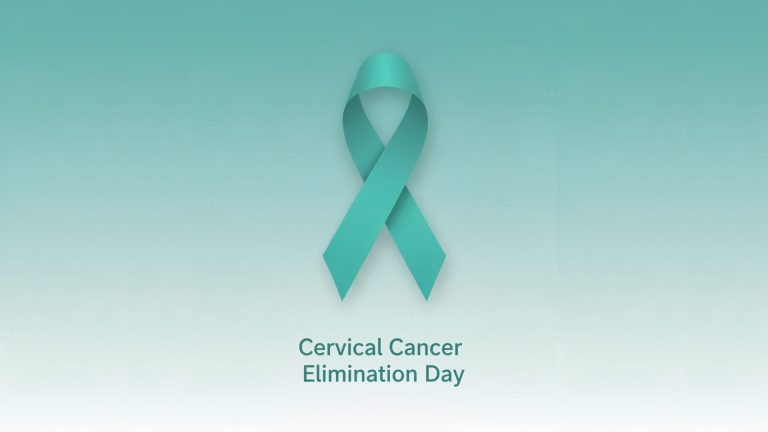
He explained that teal, the recognised awareness colour for cervical cancer, symbolised solidarity with affected women and a collective commitment to ending the disease.
"However, our commitment must go beyond wearing teal. The colour must become a symbol of action, responsibility and sustained investment," he said.
He added that the society, with its presence across Nigeria's 36 states, the Federal Capital Territory and international branches, would continue to strengthen advocacy, mobilise communities and promote cancer awareness.
Traditional rulers, religious leaders urged to support campaign
The NCS president called on traditional and religious leaders to help address misconceptions and encourage families to embrace HPV vaccination and cervical cancer screening.
He also urged the media to promote accurate health information and challenge myths surrounding the disease.
Parents and guardians were advised to ensure eligible girls received HPV vaccination, while women were encouraged to access available screening services.
Omonisi maintained that eliminating cervical cancer would require sustained cooperation among governments, healthcare providers, communities, development partners and civil society organisations.
Nigeria faces challenge of turning prevention into access
World Cervical Cancer Elimination Day is commemorated annually on November 17, marking the anniversary of the launch of the WHO Global Strategy to Accelerate the Elimination of Cervical Cancer as a Public Health Problem in 2020.
For Nigeria, the challenge extends beyond the availability of medical interventions to ensuring that vaccination, screening, diagnosis and treatment are accessible and affordable, particularly in communities with limited healthcare facilities.
The success of Operation Teal-Up and other prevention initiatives will depend on sustained funding, public awareness and measurable progress towards the global elimination targets.
"The question is no longer whether cervical cancer can be eliminated. The question is whether we have the collective will, leadership and commitment to make it happen," Omonisi said.
Atlantic Reports: Voices. People. Facts.
Written by
Atlantic Reports Admin
Comments
- Be the first to comment.