CBAAC Calls for Revival of Endangered African Languages and Cultural Heritage
By Atlantic Reports
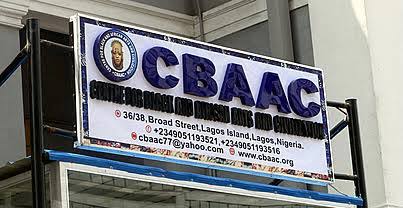
The Centre for Black and African Arts and Civilisation (CBAAC) has called for renewed efforts to preserve endangered African languages, indigenous traditions and cultural practices, warning that the gradual loss of these heritage elements threatens the continent’s cultural identity.
The Director-General of CBAAC, Aisha Adamu-Augie, made the appeal during an interview on the sidelines of the 2026 Creative Africa Nexus Weekend (CANEX WKND) in Lagos.
The event, hosted by the Federal Government and organised by the African Export-Import Bank (Afreximbank), ran from November 5 to 8 under the theme, “One People, United in Culture, Creating for the World.”
Adamu-Augie expressed concern that indigenous knowledge and traditional systems of communication were gradually disappearing, with some African languages now surviving through only a small number of speakers.
She also pointed to the declining understanding of cultural expressions, including the symbolic meanings embedded in traditional fabrics and indigenous communication systems.
According to her, Africans must prioritise remembering, reviving and documenting their heritage to ensure that younger generations can understand and benefit from it.
“We have a lot that we have to lose, that we have lost. And now where we are, is to remember, revive, document and ensure that our younger generation can utilise that power,” she said.
Indigenous Textiles Offer Cultural and Economic Opportunities
The CBAAC director-general said growing international interest in African fashion and indigenous fabrics was helping to renew attention on traditional production communities.
She cited the historic dye pits in Kano, where families have passed down traditional dyeing knowledge across generations, as an example of how renewed demand for authentic African textiles could support cultural preservation and livelihoods.
She argued that promoting indigenous crafts and textile production could create employment while helping communities retain the stories, rituals and traditions associated with their work.
The development, however, requires sustained support for traditional producers and the transmission of specialised skills to younger generations.
Parents Urged to Teach Children Indigenous Languages
Adamu-Augie also emphasised the importance of teaching children indigenous languages, describing language as a vital instrument for preserving identity, strengthening unity and promoting mutual understanding.
She encouraged parents to expose their children to different languages and cultures, arguing that diversity should be appreciated rather than treated as a basis for superiority.
According to her, learning another person's language can foster kinship and strengthen relationships across cultural boundaries.
The appeal comes amid concerns about the declining use of some indigenous languages in homes, schools and everyday communication. Preserving them requires more than documentation, as regular use and intergenerational transmission remain essential to their survival.
CBAAC Plans International Cultural Activities Around FESTAC 77 Anniversary
Adamu-Augie said CBAAC was also working to promote African history and culture through international exchanges and activities planned around the 50th anniversary of the 1977 Festival of Arts and Culture, popularly known as FESTAC 77.
She said the initiative would involve existing cultural festivals, institutions, diaspora communities and international partners to strengthen the global visibility of African heritage.
The anniversary activities are expected to provide opportunities for renewed engagement with the historical significance of FESTAC 77 and the cultural connections it established across Africa and the diaspora.
The director-general urged Nigerians and other Africans to recognise the value of their cultural inheritance without depending on external approval.
“Our hope is to remind Nigerians and Africans that what they have is enough. You don’t need external validation to realise that you are just as powerful as any other continent in the world,” she said.
Preserving Heritage Requires Action Across Generations
The call by CBAAC highlights the relationship between cultural preservation, education, community livelihoods and national identity.
However, sustaining endangered languages and traditional practices will require practical measures, including documentation, language education, support for cultural practitioners and opportunities for younger people to learn indigenous skills.
For many communities, cultural heritage is not limited to festivals, clothing or historical records. It also lives in everyday language, family traditions, craftsmanship, oral histories and systems of knowledge passed from one generation to another.
Atlantic Reports: Voices. People. Facts.
Written by
Atlantic Reports Admin
Comments
- Be the first to comment.