Centre Urges Nigerian Journalists to Balance Patriotic Security Reporting With Accountability
By Atlantic Reports
Centre calls for responsible security journalism
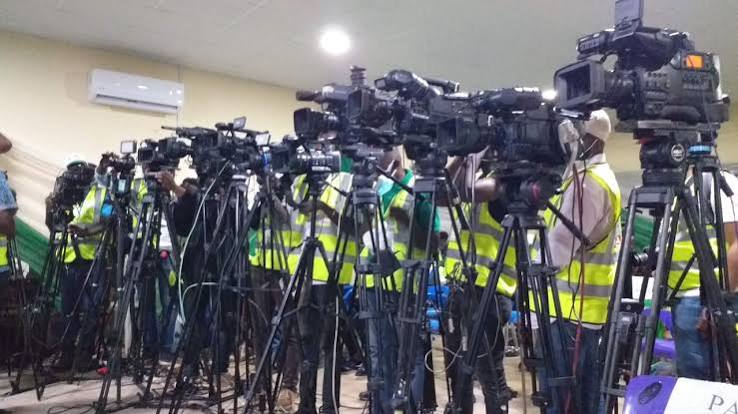
The Centre for Safety Heritage (CSH) has urged Nigerian journalists to adopt responsible and patriotic approaches to security reporting while maintaining professional independence and their obligation to hold public institutions accountable.
The organisation’s Convener, Ikechukwu Okwu, made the call in a statement on Thursday, 26 November 2026, following the conclusion of the Defence Headquarters Strategic Communication Workshop 2026 in Abuja.
The two-day workshop, which ended on Wednesday, was themed “Enhancing Strategic Collaboration Between Spokespersons of Security Agencies and Media Stakeholders for Accurate and Responsible Reportage Towards Improved National Security.”
Okwu described the workshop as timely, saying it reflected the commitment of the Chief of Defence Staff, Gen. Olufemi Oluyede, to strengthening communication between the military and the media.
He said security reporting had implications for national stability, public confidence and the safety of military personnel and civilians.
However, he stressed that patriotism should not be interpreted as an instruction to conceal information, abandon investigative journalism or protect security institutions from legitimate criticism.
Warning against misinformation and operational risks
Okwu cautioned journalists against sensationalism, unverified reports and the indiscriminate circulation of misinformation, warning that such practices could weaken public confidence and potentially benefit criminal groups.
He urged media organisations to exercise particular care when handling sensitive operational information, including troop movements, military locations and security capabilities.
According to him, irresponsible disclosure of such details could expose personnel to danger or compromise ongoing operations.
He also called on journalists to strengthen their ability to identify artificial intelligence-generated images, videos and audio recordings, noting that manipulated content had made verification increasingly important.
The warning comes as digital platforms allow security-related information, including unconfirmed claims and misleading visual material, to circulate rapidly.
Security agencies urged to provide timely information
While calling for greater caution from journalists, the CSH convener also urged the military and other security agencies to maintain the openness demonstrated at the workshop.
He said agencies should provide prompt, factual and verifiable information about security developments to reduce speculation and prevent misinformation from filling communication gaps.
Okwu observed that delayed official responses often create opportunities for false narratives, particularly on social media.
He described strategic communication as an important part of contemporary military operations, adding that regular engagement between security spokespersons and journalists could improve information management and public understanding.
National security requires shared responsibility
Okwu called for cooperation among the media, military, civil society organisations and citizens in addressing insecurity.
He expressed confidence that the workshop would improve mutual understanding and establish a sustainable framework for collaboration between security agencies and media stakeholders.
He also reaffirmed the Centre for Safety Heritage’s commitment to responsible journalism, national security awareness, national unity and constructive civil-military relations.
Editorial independence remains essential
The call for responsible security reporting raises an important distinction between protecting legitimate operational information and restricting public scrutiny.
Journalists have a responsibility to avoid publishing unverified claims or information that could expose people to immediate danger. At the same time, security institutions must remain accountable for their actions, including the conduct of operations, protection of civilians and use of public resources.
Effective collaboration therefore requires obligations on both sides. Journalists must verify information and respect genuine operational sensitivities, while security agencies must provide timely explanations, correct inaccurate claims and respond transparently to legitimate public concerns.
National security reporting is most valuable when it informs citizens accurately, protects vulnerable people and enables scrutiny of institutions exercising significant public power.
Atlantic Reports: Voices. People. Facts.
Written by
Atlantic Reports Admin
Comments
- Be the first to comment.