Check Dark-Stained Yams for Spoilage Before Cooking, Consumers Urged
By Atlantic Reports
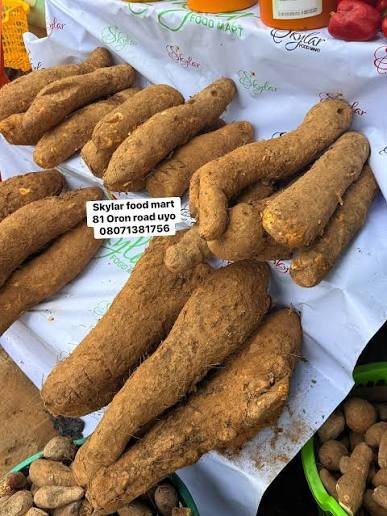
Consumers have been advised to inspect dark-stained yams carefully before cooking, as some discolouration may be harmless while other changes could signal decay.
The Lagos State chapter of the All Farmers Association of Nigeria (AFAN) and public health expert Prof. Tanimola Akande gave the advice in separate interviews on Sunday in Lagos.
Akande said the safety of a discoloured tuber depended on the cause and nature of the change, stressing the need to distinguish natural darkening from spoilage.
Natural Darkening or Decay?
Akande explained that yam could darken after exposure to air without necessarily becoming unsafe, provided it showed no signs of deterioration.
However, he warned that soft black patches, unpleasant odours and visible mould could indicate rotting associated with bacterial or fungal activity.
He said eating rotten yam could expose consumers to harmful microorganisms or toxins, potentially causing stomach cramps, nausea, vomiting, fever and diarrhoea.
He advised consumers to avoid tubers showing signs of decay and examine them carefully during preparation.
The World Health Organization notes that certain moulds produce harmful toxins and that most of these toxins can survive food processing. Cooking should therefore not be assumed to make contaminated food safe. who.int
Farm Damage Can Affect Tuber Quality
Lagos State AFAN Chairman, Sakin Agbayewa, identified rodent attacks and accidental cuts during weeding as possible causes of deterioration.
He explained that rodents could eat parts of tubers growing beneath yam heaps without farmers noticing. Covering holes with soil, he said, might conceal damage that later developed into decay.
Agbayewa also said farmers could accidentally injure tubers with cutlasses while clearing weeds, leaving damaged areas vulnerable to deterioration.
He suggested that fertiliser type could influence discolouration and noted that yam varieties differed in appearance. However, the interview account provided no testing or other evidence establishing fertiliser as the cause of particular dark patches.
For consumers, the practical distinction is between a colour change alone and discolouration accompanied by signs of spoilage. Akande urged households to avoid eating visibly decayed yam rather than dismissing the damage as a cosmetic defect.
Atlantic Reports: Voices. People. Facts.
Written by
Atlantic Reports Admin
Comments
- Be the first to comment.