China Reports Snow Leopard Population Doubles to 5,000 Amid Conservation Efforts
By Atlantic Reports
Conservation Efforts Drive Reported Population Growth
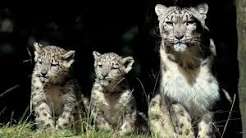
China’s snow leopard population has doubled over the past 13 years, according to information reported by TV BRICS, citing data from the National Forestry and Grassland Administration.
The reported increase highlights the role of habitat protection, population monitoring and targeted conservation initiatives in efforts to safeguard the species.
The snow leopard’s range in China now covers approximately 2.08 million square kilometres, according to the report.
China accounts for more than 60 per cent of the species’ global range and has the largest snow leopard distribution area and population of any country.
However, the reported population increase should be understood in the context of conservation monitoring. The figures alone do not establish how much of the change resulted from actual population growth, improved surveys or changes in estimation methods.
Protected Areas Cover Critical Habitats
The snow leopard, sometimes known as the “King of the Mountains”, is classified as a Class I specially protected animal in China.
Its presence is considered an important indicator of the condition of mountain ecosystems, where habitat quality and prey availability influence the survival of wildlife.
According to the report, China has established two national parks and 78 other key protected areas in critical snow leopard habitats.
More than 800,000 square kilometres of habitat are reportedly under strict protection, placing nearly 40 per cent of the species’ potential habitat under regulatory control.
Such measures are intended to protect essential habitats, reduce pressures on wildlife and maintain ecological connections between mountain landscapes.
The effectiveness of these protections will depend on continued enforcement, habitat management and monitoring of snow leopard populations over time.
Reintroduction Project Records Progress in Helan Mountains
China has also pursued efforts to restore snow leopard populations in areas where the animals had previously disappeared.
In the Helan Mountains, authorities launched what the report describes as the country's first snow leopard reintroduction pilot project.
The programme involves selecting individual animals, conducting health assessments and genetic tests, preparing them for release, and monitoring their adaptation after reintroduction.
According to the report, eight snow leopards have been reintroduced into the mountain region.
Some have established stable habitats and begun hunting independently, alongside animals that arrived in the area naturally.
The project aims to establish conditions under which reintroduced animals can survive and reproduce without continued dependence on human intervention.
Project Reports Wild Birth and Successful Rearing of Cubs
In 2026, the Helan Mountains initiative reportedly completed a full cycle involving reintroduction, establishment in the wild, natural mating, the birth of cubs and successful rearing of the young.
The report described this as the first such achievement globally.
If independently substantiated, the development would represent an important milestone for the project because successful reproduction and cub survival are essential indicators of whether a reintroduced population can become self-sustaining.
Nevertheless, the long-term success of the initiative will depend on continued monitoring, the survival of the animals and their offspring, genetic diversity and the availability of suitable habitat.
The reported achievement also highlights the distinction between releasing animals into a protected area and establishing a population capable of surviving and reproducing over multiple generations.
Experts Highlight Habitat Connectivity
Shi Kun, chief snow leopard expert at the Centre for Felid Research, said clarifying the species’ distribution remained a priority.
According to Shi, conservation efforts require the identification of critical habitats and migration corridors.
These corridors allow animals to move between habitat areas, potentially supporting breeding, genetic exchange and access to prey.
Protecting isolated habitats without maintaining connections between them can limit the long-term viability of wildlife populations.
For snow leopards, which inhabit extensive mountain landscapes across several Asian countries, cross-border cooperation and reliable population data remain important to conservation planning.
International Cooperation on Snow Leopard Protection
Global cooperation on snow leopard conservation received renewed attention on October 23, 2013, when the first Global Snow Leopard Forum was held in Bishkek, Kyrgyzstan.
Representatives from 12 snow leopard range countries adopted the Bishkek Declaration on the Conservation of the Snow Leopard.
The declaration established a framework for cooperation among countries sharing responsibility for protecting the species and its mountain habitats.
The reported progress in China illustrates the range of approaches being used to protect snow leopards, from expanding protected areas to reintroducing animals and monitoring their reproduction in the wild.
The longer-term measure of success will be whether these efforts translate into sustained population recovery, healthier mountain ecosystems and stronger protection across the species’ range.
Atlantic Reports: Voices. People. Facts.
Written by
Atlantic Reports Admin
Comments
- Be the first to comment.