DisCos Remit ₦385.44bn in Q2 2026, NERC Reports
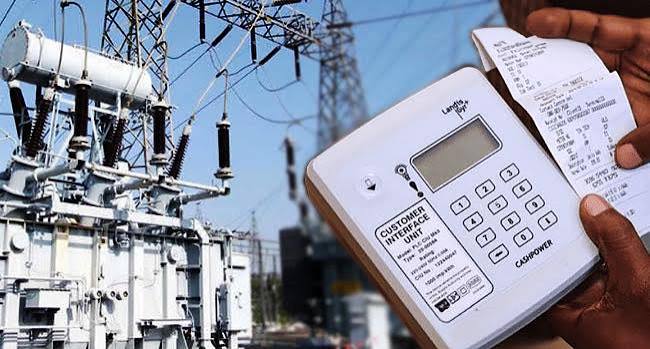
By Atlantic Reports
Electricity distribution companies (DisCos) remitted ₦385.44 billion in the second quarter of 2026, according to the Nigerian Electricity Regulatory Commission (NERC), which reported continued challenges with losses across the power sector.
The figures were contained in NERC’s second-quarter operational and commercial performance report, published on its official X account on Thursday. The report covers operational performance, revenue collection, metering and regulatory activities across the Nigerian Electricity Supply Industry.
NERC said the DisCos achieved an overall market remittance rate of 94 per cent, with payments settling invoices issued by Nigerian Bulk Electricity Trading Plc and the Market Operator.
Revenue collection exceeds ₦603bn
The report showed that electricity billed to customers during the quarter was valued at ₦744.67 billion, representing a billing efficiency of 79 per cent.
DisCos collected ₦603.64 billion, equivalent to a collection efficiency of 81 per cent, according to the commission.
The figures indicate a gap between the value of electricity billed and the revenue collected. That gap remains a concern for the sector’s financial sustainability, particularly where distribution companies must meet payment obligations to other market participants.
The report did not provide, in the figures supplied, a breakdown of the collection gap by individual DisCo or explain how much of the uncollected revenue was attributable to non-payment, billing disputes or other factors.
Grid-connected plants record 90% load factor
On electricity generation, NERC reported that grid-connected power plants recorded a plant load factor of 90 per cent during the quarter, with average hourly output of 4,022.40 megawatts.
Plant load factor measures actual output against the output a plant could produce under the relevant capacity assumptions. The reported figure provides an indication of plant utilisation, but it does not by itself establish how much electricity reached consumers or how reliably power was supplied.
Transmission constraints, distribution network limitations and other system challenges can affect the electricity ultimately delivered to homes and businesses.
Metering rate rises to 62%
DisCos installed an additional 350,270 customer meters during the quarter, raising the national metering rate to 62 per cent, NERC said.
The increase represents progress in expanding metering coverage, but the reported rate also means a substantial proportion of electricity customers remained without meters at the end of the period.
Metering is important for improving billing transparency, helping customers verify charges and reducing disputes over estimated consumption. The report’s figures do not specify how the new installations were distributed among the DisCos or the number of customers still awaiting meters in each service area.
Sector losses remain above regulatory target
Despite the reported remittances and metering additions, the average Aggregate Technical, Commercial and Collection (ATC&C) loss across the DisCos stood at 36 per cent.
That was substantially above the average allowed target of 16.92 per cent.
ATC&C losses combine electricity lost through technical weaknesses in distribution networks with commercial losses, such as energy theft or inaccurate billing, and collection losses arising when billed revenue is not recovered.
The gap between actual losses and the regulatory benchmark points to continuing challenges in the distribution segment. High losses can weaken the financial position of operators and complicate efforts to improve service delivery and investment.
NERC reports 64 regulatory instruments
NERC also said it issued 64 regulatory instruments during the quarter under powers granted by the Electricity Act 2023.
These included 35 orders and 18 certificates for Market Service Providers and Metering Asset Providers. The report’s summary, as supplied, did not account for the remaining instruments by category.
The second-quarter figures present a mixed picture: DisCos remitted a high proportion of their market invoices and expanded metering, but collection gaps and distribution losses remained significant.
For electricity consumers, the key issue is whether improved financial and regulatory performance will translate into more reliable supply, fairer billing and better service. The reported figures alone do not establish that those outcomes have been achieved.
Atlantic Reports: Voices. People. Facts.
Written by
Atlantic Reports Admin
Comments
- Be the first to comment.