E-Terra Calls for Stronger E-Waste Standards to Protect Data and the Environment
By Atlantic Reports
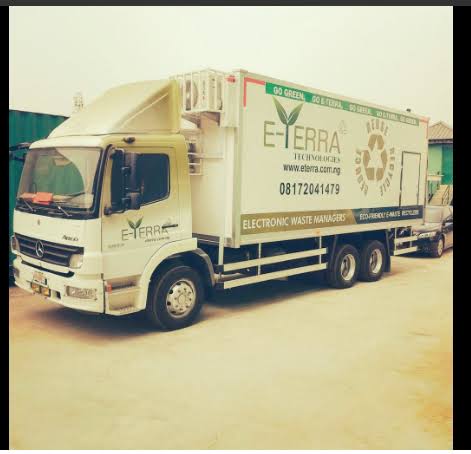
E-Terra Technologies Ltd. has called for wider adoption of internationally recognised standards in electronic waste recycling and secure data destruction, warning that careless disposal of obsolete electronic equipment poses risks to both information security and the environment.
The company’s Managing Director, Ifeanyi Ochonogor, made the call on Friday in Lagos ahead of the Data Destruction Exposition 2026, scheduled to hold on November 26.
He said discarded computers, storage devices and other electronic equipment could retain confidential information, creating opportunities for unauthorised access when they are not properly handled.
Ochonogor urged individuals, businesses and government institutions to adopt responsible disposal procedures to protect sensitive records and prevent environmental pollution.
Company highlights international certifications
Ochonogor disclosed that E-Terra had obtained three certifications from the International Organisation for Standardisation (ISO), covering aspects of its operational processes.
He said the certifications were intended to ensure that the company's electronic waste recycling and data destruction activities complied with internationally recognised standards.
However, he did not identify the specific ISO standards or certification numbers in the statement.
The managing director said stronger government support and healthy competition were needed to develop Nigeria's electronic waste recycling and data destruction industry.
He described secure data destruction as an established industry in developed economies and called for greater attention to its growth in Nigeria.
Growing e-waste requires responsible management
The company said its operations covered different categories of electronic waste, including cathode ray tube (CRT) equipment, while environmental protection remained central to its recycling processes.
Ochonogor also disclosed that E-Terra was working towards developing electronic waste refining capacity through affiliated organisations.
He identified confidential information protection, obsolete information technology asset management and responsible recycling as important elements of Nigeria's digital development.
According to him, the company regularly reviews its processes to respond to changing environmental requirements and technological developments, including artificial intelligence.
He said E-Terra engaged with government institutions, including the National Information Technology Development Agency (NITDA) and the Nigerian Communications Commission (NCC).
Awareness and training for students, waste handlers
Ochonogor said the company supported public awareness and capacity-building programmes, particularly for students and people involved in electronic waste collection and handling.
He cited initiatives organised by the E-Waste Relief Foundation, including school awareness campaigns and training programmes for electronic waste handlers.
He expressed hope that the Data Destruction Exposition would become an annual event, creating opportunities for collaboration among businesses, regulators, technology professionals and environmental stakeholders.
Data security must extend to discarded devices
The planned exposition comes as the growing use of digital devices increases the volume of obsolete electronic equipment requiring safe disposal.
Deleting files or formatting a device does not necessarily guarantee that stored information has been permanently erased. Secure data destruction requires appropriate processes that prevent confidential information from being recovered or accessed by unauthorised persons.
Similarly, electronic waste management must ensure that hazardous components are handled responsibly rather than dumped or processed in ways that expose people and the environment to harmful substances.
The November 26 event is expected to bring together government institutions, regulatory agencies, technology companies, data protection professionals and environmental experts to discuss data destruction and confidential information protection.
For Nigeria, the broader challenge is to ensure that secure disposal and recycling become standard practices across public institutions, businesses and households, rather than activities limited to specialist operators.
Atlantic Reports: Voices. People. Facts.
Written by
Atlantic Reports Admin
Comments
- Be the first to comment.