Expert Identifies Biosecurity, Hygiene as Keys to Improving Poultry Production in Nigeria
By Atlantic Reports
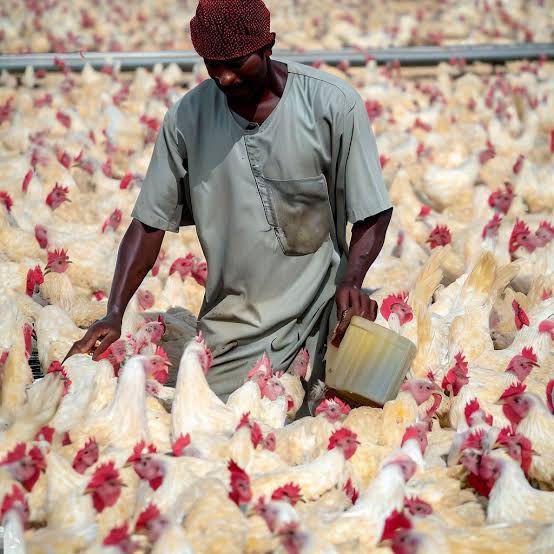
A poultry farming expert, Dr James Baba-Wageti, has identified biosecurity, proper hygiene and effective farm management as essential measures for increasing productivity and reducing losses in Nigeria's poultry industry.
Baba-Wageti made the observation on Thursday at the two-day Northern Nigeria Poultry Conference and Exhibition in Kano, which brought together farmers, agricultural experts, policymakers and other industry stakeholders.
The conference was held under the theme, “Transforming Poultry Production through Innovation, Biosecurity, Investment and Market Access”.
He stressed that vaccination alone could not guarantee healthy poultry flocks without strict adherence to hygiene standards and appropriate farm management practices.
“Vaccines alone cannot guarantee healthy flocks without strict biosecurity, proper hygiene, and sound farm management practices in poultry farming,” he said.
Rising Costs and Disease Outbreaks Challenge Farmers
Baba-Wageti identified increasing feed costs, disease outbreaks and uneven bird growth as some of the challenges confronting poultry farmers across the country.
He explained that appropriate vaccination programmes could reduce stress during vaccination sessions and provide lasting protection against diseases such as Gumboro and Newcastle disease.
His recommendations highlight the importance of combining vaccination with preventive measures, including controlled access to poultry facilities, regular cleaning and disinfection, proper waste disposal and close monitoring of flock health.
These practices can help reduce the spread of infectious diseases and minimise avoidable financial losses.
PAN Moves to Regulate Poultry Input Distributors
The Chairman of the Poultry Association of Nigeria (PAN), Kano State chapter, Dr Usman Gwarzo, announced plans to register and classify accredited distributors of poultry inputs.
Gwarzo said the association intended to grade suppliers into categories A, B and C, with Category C designated as an official classification under the proposed arrangement.
He also disclosed plans to establish a registration booth to engage major companies and verify accredited distributors operating in Kano.
According to him, the initiative is intended to protect farmers against substandard agricultural inputs, diseases associated with day-old chicks and avoidable financial losses.
The proposed registration system is expected to strengthen confidence in the poultry supply chain by helping farmers identify verified suppliers.
Women and Young People Encouraged to Explore Poultry Farming
The Coordinator of the Female Poultry Farmers Association in Kano State, Khadija Abubakar-Jibril, commended the Poultry Association for supporting women's participation in agriculture.
She observed that women were involved in poultry farming both at household and commercial levels.
Abubakar-Jibril encouraged more women and young people to explore opportunities in the sector as a means of developing sustainable livelihoods and contributing to food production.
Expert Advises Farmers to Acquire Knowledge Before Investing
Prof. Aliyu Wakawa of Ahmadu Bello University, Zaria, urged prospective and existing poultry farmers to prioritise learning and professional guidance before investing in the business.
He advised farmers to establish relationships with reputable suppliers, particularly companies participating in the exhibition.
Similarly, a participant, Bashir Fahad, praised the organisers for providing practical lessons on biosecurity, disease prevention and modern poultry management.
Fahad expressed confidence that applying the knowledge gained would help reduce bird mortality, minimise business losses and improve poultry production across Kano State.
Strengthening Poultry Production and Food Security
The discussions at the conference highlight the need to address both the technical and economic challenges affecting Nigeria's poultry industry.
For farmers, rising feed prices, disease outbreaks and unreliable supplies of quality inputs can significantly increase production costs and threaten business sustainability.
Improved biosecurity, access to veterinary guidance, reliable vaccination programmes and verified suppliers could help reduce these risks.
However, sustained improvements will also depend on affordable inputs, access to finance, adequate veterinary services and stronger market linkages.
As Nigeria seeks to strengthen domestic food production and agricultural employment, improving the productivity of poultry farms remains important to food availability, household incomes and the wider livestock economy.
Atlantic Reports: Voices. People. Facts.
Written by
Atlantic Reports Admin
Comments
- Be the first to comment.