Experts Urge Nigerians to Prioritise Regular Diabetes Screening
By Atlantic Reports
Medical experts at the Federal Teaching Hospital, Lokoja (FTHL), have called on Nigerians to make regular diabetes screening a priority, warning that delayed diagnosis can lead to blindness, kidney failure, stroke, heart attack and limb amputation.
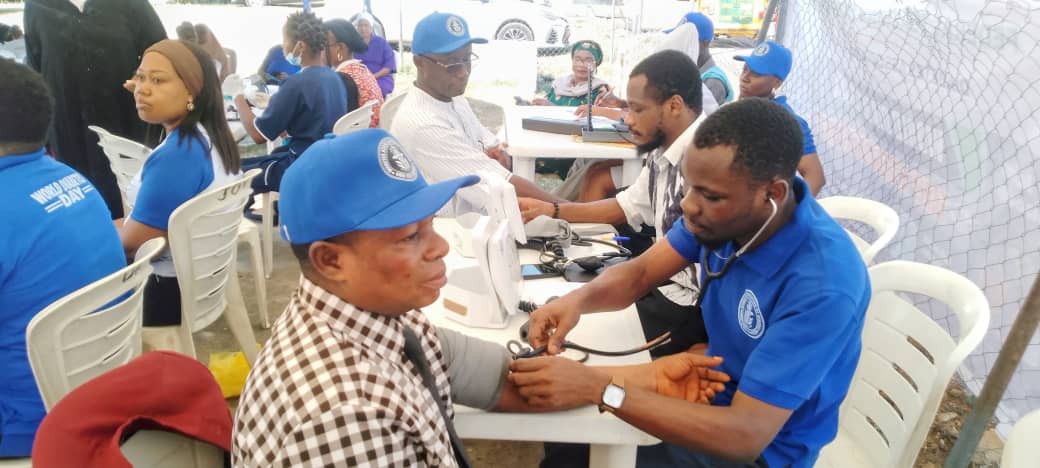
The specialists gave the advice on Monday during activities marking World Diabetes Day 2026, organised by the hospital in collaboration with the Diabetes Association of Nigeria.
The event, sponsored by Kenneth Obaro Pharma Nigeria Limited, featured a road walk, public awareness campaigns, free blood sugar and blood pressure checks, foot screening and health education sessions.
World Diabetes Day is observed globally on November 14. This year's theme was “Early Action on Diabetes Begins With One Test.”
Early Detection Can Prevent Serious Complications
A Consultant Endocrinologist at the hospital, Dr Olorunfemi Adebayo, said early action involved timely detection, appropriate treatment and measures to prevent complications.
He described diabetes as a major contributor to kidney failure worldwide and a significant risk factor for stroke and limb amputation.
Adebayo urged Nigerians to undergo regular screening, noting that timely intervention could prevent or delay the progression of pre-diabetes to type 2 diabetes.
He also challenged misconceptions surrounding the condition, stressing that diabetes was neither a punishment for wrongdoing nor a consequence of witchcraft.
He encouraged people living with the condition to seek proper medical attention and called on government authorities to strengthen support for prevention, diagnosis and treatment.
The Chief Medical Director of FTHL, Dr Shehu Abdulrahman, represented by the Chairman of the Medical Advisory Committee, Dr Odunkle Raphael, also emphasised the importance of early screening in improving treatment outcomes.
Diabetes May Develop Without Obvious Symptoms
Another Consultant Physician and Endocrinologist, Dr Segun Agbona, warned that diabetes could develop without noticeable symptoms, leaving some patients unaware of their condition until complications emerged.
He identified diabetic ketoacidosis, hyperosmolar hyperglycaemic state and hypoglycaemia as acute complications that can require urgent medical attention.
According to him, long-term complications can affect both small and large blood vessels.
Damage to smaller blood vessels may lead to eye problems, kidney failure and nerve damage, while complications involving larger blood vessels can increase the risk of stroke, heart attack and limb amputation.
Agbona listed excessive thirst, frequent urination, increased hunger and unexplained weight loss among common symptoms.
However, he stressed that symptoms alone could not establish a diagnosis, adding that blood sugar testing was necessary to confirm the condition.
Lifestyle and Family History Among Risk Factors
Agbona identified family history, excess body weight, physical inactivity and frequent consumption of sugar-sweetened beverages among factors associated with an increased risk of diabetes.
He said fasting blood sugar levels between 6.1 and 6.9 millimoles per litre indicated pre-diabetes, while levels of 7.0 millimoles per litre or higher could indicate diabetes.
Such results require appropriate clinical assessment and confirmation in line with medical guidelines.
He added that lifestyle changes, including healthier eating habits and regular physical activity, could help people with pre-diabetes reduce their risk of developing type 2 diabetes.
Woman Shares Experience of Living With Diabetes
Mrs Hannah Ohize, who said she had lived with diabetes for 30 years, attributed her ability to manage the condition to medication, regular exercise and dietary discipline.
She urged people living with diabetes to reject beliefs linking the condition to witchcraft and instead seek medical care.
Ohize also encouraged newly diagnosed patients to join the Diabetes Association, which holds monthly meetings on the first Tuesday of every month.
The association presented an award to the hospital’s Chief Medical Director, Abdulrahman, in recognition of his support for people living with diabetes.
The experts' message highlights the importance of accessible screening and sustained public education, particularly for people who may have diabetes or pre-diabetes without obvious symptoms.
Atlantic Reports: Voices. People. Facts.
Written by
Atlantic Reports Admin
Comments
- Be the first to comment.