Extreme Heat Raises Health Risks and Living Costs for FCT Residents
By Atlantic Reports
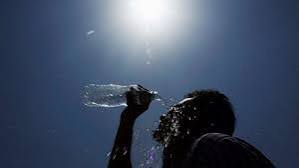
The effects of extreme heat are being felt in homes, markets, offices and outdoor workplaces across the Federal Capital Territory (FCT), where residents say the rising temperatures have increased their dependence on fans, refrigeration, water and other cooling measures.
For many households and small businesses, the challenge goes beyond physical discomfort. Unstable electricity supply has made it harder to preserve food, keep shops cool and maintain comfortable living conditions, while additional spending on electricity and alternative power sources is putting pressure on already stretched budgets.
The concerns come as the Nigerian Meteorological Agency (NiMet), in an advisory issued on October 23, warned of hotter days, increased heat discomfort, dust and possible water scarcity as the country moves from the rainy season into the dry season.
The agency identified dehydration, heat exhaustion and heatstroke among the possible health consequences of excessive heat. It advised Nigerians to drink water regularly, wear lightweight and breathable clothing, reduce prolonged exposure to direct sunlight and schedule strenuous outdoor activities for cooler periods.
Households face rising costs
In Sokale community, Bwari Area Council, a resident, Mrs Patient Ndidi, said the heat had become an additional financial burden, particularly for families trying to keep children comfortable while managing household expenses.
She said the intense temperatures had forced her family to use fans for longer periods whenever electricity was available, resulting in more frequent prepaid meter purchases.
“We use more units now because whenever there is electricity, we tend to leave the fan on throughout the day.
“As a result, we are constantly recharging our prepaid meter,” she said.
Ndidi said inconsistent power supply had also made food preservation difficult, as cooked meals could spoil during prolonged outages.
She explained that she had reduced the quantities of food prepared at home to avoid waste, particularly meals such as egusi and groundnut soup, beans and other cooked dishes.
However, preparing smaller quantities more frequently had increased the time, effort and cost involved in cooking.
When electricity was unavailable, she said, members of her household sometimes poured water on their bodies for temporary relief.
“Actually, it has not helped us at all because once there is no electricity, you return to square one,” she said.
She appealed to the government to improve electricity supply and consider reducing electricity tariffs to ease the pressure on households.
Another resident of Kubwa, Mr John Anthony, said his workplace was more comfortable because of air-conditioning, but conditions became difficult when he returned home.
“Office is not a problem at all; there is AC, so everywhere is always cool until we go home,” he said.
Anthony said his family relied on ventilation and regular water consumption to manage the heat, but urged the government to ensure a more stable electricity supply.
Traders report losses from spoiled goods
The economic effects are also being felt by traders, particularly those dealing in poultry, fresh food and other goods that require refrigeration.
In Jikwoyi, Miss Lovina Obiyi, a trader in provisions, foodstuffs and poultry, said the heat had caused the loss of considerable quantities of chickens and turkeys.
“We specialise in provisions, foodstuffs and poultry.
“Due to the heat, we have lost quite a good amount of chickens and turkeys to the point that we need to open the place for ventilation,” she said.
Obiyi said consumer preferences had also changed, with more customers seeking cold drinks, chilled water and frozen food.
“There is a rise in the purchase of cold things. Nobody buys normal temperature water; it has to be cold water.
“When it comes to foodstuffs, people prefer frozen food rather than smoked ones,” she said.
She explained that while some perishable goods were kept in freezers, tomatoes and peppers were placed in open spaces to improve ventilation. Items that could no longer be preserved were discarded.
The trader said plantain and other produce ripened faster than expected, reducing profit margins and increasing the risk of losses.
“The heat affects a lot of things. Profit margin is low because things get spoilt a lot.
“When you keep plantain, they all get ripe at once. There is a lot of loss and risks now due to the heat and also the death of livestock,” she said.
Obiyi added that the weather had affected her personal comfort, causing heat rashes and making it difficult to sleep without a fan.
In Dutse, another business owner, Mr Chimezie Samuel, said unreliable electricity had made it difficult to meet growing demand for cold drinks and other chilled products.
Although he had not recorded significant losses from spoiled goods because most of his products were not highly perishable, he said maintaining adequate cooling remained a challenge.
Samuel disclosed that he had invested more than ₦1.7 million in a solar power system to keep his business operating despite electricity interruptions.
He urged the government to improve electricity and water supply, noting that the difficulties associated with extreme heat extended beyond business operations to residents' ability to rest comfortably after work.
Outdoor workers adjust their schedules
Workers whose occupations require prolonged exposure to sunlight are also changing their routines to reduce the effects of the heat.
Mr Ignatius Ikechukwu, a Point of Sale operator in Kubwa, said drinking water regularly was his main way of coping while attending to customers outdoors.
“I do not joke with water at all,” he said.
For Mr Henry Chinonso, a welder and fabricator, the heat has made it necessary to suspend work during the hottest part of the day.
“I come out in the morning. I rest immediately it is 12 o’clock during the hot weather. When the heat reduces, then I will start again,” he said.
Chinonso said he and his workers now take a break in the afternoon and resume operations in the evening when temperatures become more bearable.
He expressed concern that prolonged periods of extreme heat could disrupt work schedules, reduce customer patronage and affect productivity. He identified the provision of adequate shade as one practical measure that could help outdoor workers.
Health concerns grow
Beyond the financial and business consequences, residents have reported headaches, excessive sweating, tiredness, skin irritation and difficulty sleeping.
Mr Jeffrey Onu, a nurse at Olohi Gocho Pharmacy in Sokale, said some people visiting the facility had complained about the hot weather.
He advised residents to drink sufficient water, get adequate rest and maintain good personal hygiene.
Onu also recommended avoiding prolonged exposure to direct sunlight during the hottest hours, seeking shade and staying in cool, well-ventilated places where possible.
He cautioned people experiencing skin irritation against scratching affected areas or applying harsh creams and skincare products that could worsen the condition.
“My advice is that in this hot weather, people should drink enough water and take their rest.
“Excessive heat causes a lot of sicknesses in the human system, some of which may not even be detected on time,” he said.
Another FCT resident, Ms Tope Ayoola, said the heat had left her exhausted, increased her sweating and made it difficult to sleep comfortably.
“The heat is too much. It makes me feel tired and weak. I sweat a lot and I can’t sleep well at night,” she said.
Ayoola said she tried to cope by drinking more water, remaining indoors during the afternoon and taking cold baths. She also reported experiencing headaches and heat rashes, which she attributed to the weather.
Similarly, Ms Tolu Idayat said the heat had affected her concentration and productivity, sometimes leaving her with headaches and tiredness.
She said drinking water, wearing light clothing and bathing regularly helped her manage the conditions.
Idayat called for improved electricity and access to clean water, alongside public education on practical ways to reduce exposure to excessive heat.
Mr Israel Bulus, a resident of Apo, described the hot weather as a seasonal experience to which residents had continued to adapt. He said he sometimes took baths up to three times at night to obtain relief, while remaining concerned about possible health consequences.
Reliable services and public awareness needed
The experiences of residents across Bwari, Kubwa, Jikwoyi, Dutse and Apo point to the wider pressures extreme heat can place on households, small businesses and outdoor workers.
Electricity interruptions affect the use of fans and refrigeration, while inadequate access to water can make basic cooling and hydration more difficult. For traders, the consequences can include spoiled goods, additional operating expenses and reduced earnings. For outdoor workers, the need to avoid peak temperatures can mean shorter working hours and disrupted services.
NiMet's advisory provides practical precautions, but residents say access to reliable electricity and clean water remains essential to managing the conditions.
Their concerns also highlight the importance of public information on recognising dehydration, heat exhaustion and other heat-related problems, particularly among children, older people and those whose work keeps them outdoors.
As the dry season approaches, the challenge for households and businesses will be not only adapting to higher temperatures but also managing the additional costs and health risks associated with them.
Atlantic Reports: Voices. People. Facts.
Written by
Atlantic Reports Admin
Comments
- Be the first to comment.