FCCPC Monitors Global Oil Price Decline, Expects Reduction in Petrol Prices
By Atlantic Reports
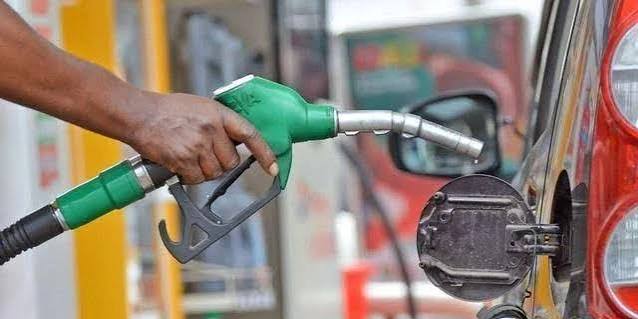
The Federal Competition and Consumer Protection Commission (FCCPC) has said it is monitoring the decline in international crude oil prices and expects the reduction to translate into lower petrol prices for Nigerian consumers.
The Executive Vice Chairman of the commission, Mr Tunji Bello, disclosed this in a statement issued in Abuja on Tuesday, November 10, 2026, following public complaints and enquiries about the continued high cost of petrol.
Bello said the commission was closely tracking developments in the international oil market to ensure that any reduction in wholesale costs was reflected at filling stations.
According to him, recent market reports indicate that Brent crude futures have fallen from a peak of $115 per barrel in September to below $90 per barrel during the week.
FCCPC Raises Questions Over High Pump Prices
Bello said petrol prices currently averaged between ₦1,405 and ₦1,420 per litre in Abuja, while prices in Lagos ranged from ₦1,325 to ₦1,370 per litre.
He compared the figures with prices recorded on February 27, before the conflict involving the United States, Israel and Iran began, when Brent crude futures reportedly closed at $72.48 per barrel.
At the time, petrol sold between ₦839 and ₦925 per litre at filling stations in Lagos and Abuja.
The FCCPC chief said petroleum marketers had frequently attributed the increase in fuel prices over the preceding eight months to volatility in international crude oil prices following the outbreak of the conflict.
However, he argued that sustained reductions in crude prices should raise questions about the continued high cost of petrol and diesel.
“If the decline in crude prices is sustained, there is no justification for refiners and marketers to continue to keep petrol and diesel prices relatively high,” Bello said.
Commission Warns Against Unfair Market Practices
Bello acknowledged the financial pressure that high petrol prices had placed on households and businesses across the country.
He assured consumers that the commission would continue working with the Nigerian Midstream and Downstream Petroleum Regulatory Authority (NMDPRA) and other relevant government agencies to monitor wholesale and retail petroleum prices.
He added that the FCCPC would take appropriate action within its statutory mandate where evidence of anti-competitive conduct or unfair market practices prevented consumers from benefiting from lower costs.
“Where there is evidence of anti-competitive conduct or unfair practices that prevent consumers from benefiting from lower costs, we will take appropriate action within our mandate,” he said.
Will Falling Oil Prices Translate Into Cheaper Petrol?
The commission's intervention raises an important question for Nigerian consumers: whether declining international crude prices will result in corresponding reductions at filling stations.
However, crude oil prices are only one component of the final pump price. Refining costs, exchange rates, transportation, distribution expenses and other market factors also influence the price of petroleum products.
The FCCPC's monitoring will therefore be important in determining whether changes in international market conditions are being fairly reflected in domestic pricing.
For millions of Nigerians facing high transportation, food and operating costs, any sustained reduction in petrol prices could provide some relief. The commission's challenge will be to ensure that consumers benefit from genuine cost reductions while addressing any established anti-competitive practices.
Atlantic Reports: Voices. People. Facts.
Written by
Atlantic Reports Admin
Comments
- Be the first to comment.