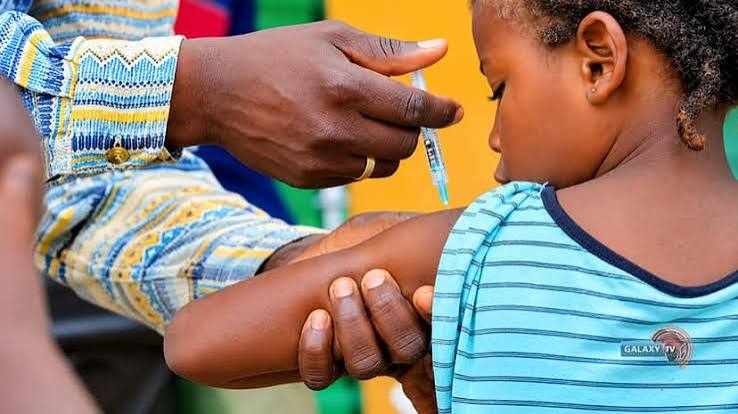
FCT PHC Centres Offer Free Meningitis Vaccines to Eligible Children
By Atlantic Reports
A visit to some primary healthcare centres across FCT communities indicates that children aged nine months are eligible for the vaccination, although health workers gave differing accounts of vaccine availability for adults.
A nurse in Gwagwalada Area Council, Mrs Juliet Itodo, said the current vaccination programme in the FCT was focused on children, with no provision for adults at the centres visited.
Itodo explained that adults were generally not required to repeat the vaccination, based on the understanding that they had received it during infancy. However, she noted that vulnerable adults might be advised to receive the vaccine during an outbreak.
She stressed the importance of maintaining well-ventilated homes to reduce the risk of infection and advised mothers to dress their babies according to prevailing weather conditions.
According to her, newborns should be dressed lightly, particularly during periods of intense heat, while mothers practising exclusive breastfeeding should feed their babies more frequently.
She also advised mothers whose children had started taking solid foods to provide them with water regularly to prevent dehydration.
Experts Clarify Adult Vaccination
However, Dr Olufunke Onaadepo, Associate Professor of Human Physiology at the University of Abuja, said meningitis vaccination was not restricted to children, noting that adults could also receive the vaccine, particularly those at increased risk of infection.
She identified healthcare workers exposed to meningococcal bacteria, people living in overcrowded environments such as hostels and military barracks, individuals with weakened immune systems and those without functioning spleens as groups who should particularly consider vaccination.
Travellers visiting areas where meningococcal meningitis is common and residents of communities experiencing outbreaks may also require vaccination, depending on public health recommendations.
Onaadepo explained that meningococcal meningitis cases were historically more common during the hot and dry season, particularly in countries within Africa's meningitis belt, including Nigeria.
She said dry, dusty conditions could irritate and weaken the protective lining of the nose and throat, making it easier for meningococcal bacteria to invade the body.
However, she clarified that heat does not directly cause meningitis and that the disease is not transmitted through dust.
Rather, close contact with infected persons or carriers facilitates transmission, while dry and dusty conditions may increase vulnerability to infection.
She advised residents to minimise prolonged exposure to dust and use suitable face masks where exposure was unavoidable.
She also recommended adequate ventilation in homes and workplaces, reduced overcrowding and good personal hygiene, including regular handwashing and covering the mouth and nose when coughing or sneezing.
Residents Raise Concerns Over Vaccine Availability
An official at a primary healthcare centre in Bwari Area Council, who requested anonymity, also said vaccines for adults were currently unavailable at the facility.
The official said residents would be informed through the media when adult vaccines became available.
The official further advised residents to drink sufficient water, get adequate rest and avoid prolonged exposure to direct sunlight, particularly during the hottest hours of the day.
For residents whose livelihoods depend on outdoor activities, the heat presents additional challenges.
Mr Ignatius Ikechukwu, a Point-of-Sale operator in Kubwa, said working under the sun had made the current weather difficult to manage.
Ikechukwu disclosed that he had visited a health facility in his area to receive the meningitis vaccine but was informed that vaccines for adults were unavailable.
He called on the government to facilitate access to the vaccines for adults who may require them.
NCDC Urges Early Diagnosis and Treatment
The Director-General of the Nigeria Centre for Disease Control and Prevention (NCDC), Dr Jide Idris, has urged Nigerians to recognise the early warning signs of meningitis and seek immediate medical attention.
He identified sudden high fever, severe headache and neck stiffness as common symptoms.
Other warning signs include nausea, vomiting, sensitivity to light, confusion, altered consciousness and seizures.
Idris cautioned against assuming that fever and headaches during the dry season were automatically signs of malaria, warning residents against self-medication and reliance on herbal remedies.
He emphasised that anyone experiencing symptoms suggestive of meningitis should immediately visit the nearest health facility for medical assessment.
According to him, early diagnosis and prompt antibiotic treatment are critical to improving survival and reducing complications.
He also called on households and institutions to minimise overcrowding and ensure adequate ventilation, particularly in schools, universities, boarding facilities, religious centres, internally displaced persons' camps and correctional facilities.
Idris urged eligible individuals to receive meningitis vaccines in line with health authorities' recommendations and participate in state-led reactive vaccination campaigns when announced.
He said the NCDC was working with state ministries of health to monitor meningitis trends through the national surveillance system, support laboratory confirmation of suspected cases and strengthen treatment capacity.
He added that rapid response teams would be deployed to affected areas when necessary.
NPHCDA Reaffirms Free Childhood Immunisation
The Executive Director and Chief Executive Officer of the National Primary Health Care Development Agency (NPHCDA), Dr Muyi Aina, said the agency had directed that all routine childhood vaccines be provided free of charge at public health facilities.
Aina reaffirmed the agency's commitment to expanding access to routine immunisation, particularly in underserved and hard-to-reach communities, to ensure that children are protected against vaccine-preventable diseases.
Meanwhile, Francisco Luquero, Head of High-Impact Outbreaks at Gavi, the Vaccine Alliance, stressed the importance of sustained investment in vaccine deployment and outbreak preparedness to reduce meningitis-related illnesses and deaths across Africa.
Nigeria's Previous Meningitis Vaccination Campaign
Nigeria received more than one million doses of the five-in-one meningococcal conjugate vaccine, Men5CV, from the Gavi-funded global vaccine stockpile in April 2025.
The vaccines were intended to support efforts to contain meningococcal serogroup C and W outbreaks in northern Nigeria.
The initial vaccination campaign targeted people aged one to 29 years in Kebbi and Sokoto States, with plans to extend the exercise to Yobe State as additional doses became available.
The differing accounts from healthcare workers in the FCT highlight the importance of clear public communication about vaccine eligibility and availability.
Residents are encouraged to seek accurate vaccination guidance from qualified health professionals rather than assume that protection is limited to a particular age group.
Atlantic Reports: Voices. People. Facts.
Written by
Atlantic Reports Admin
Comments
- Be the first to comment.