FG approves N40.7bn BHCPF release, extends health cover to inmates
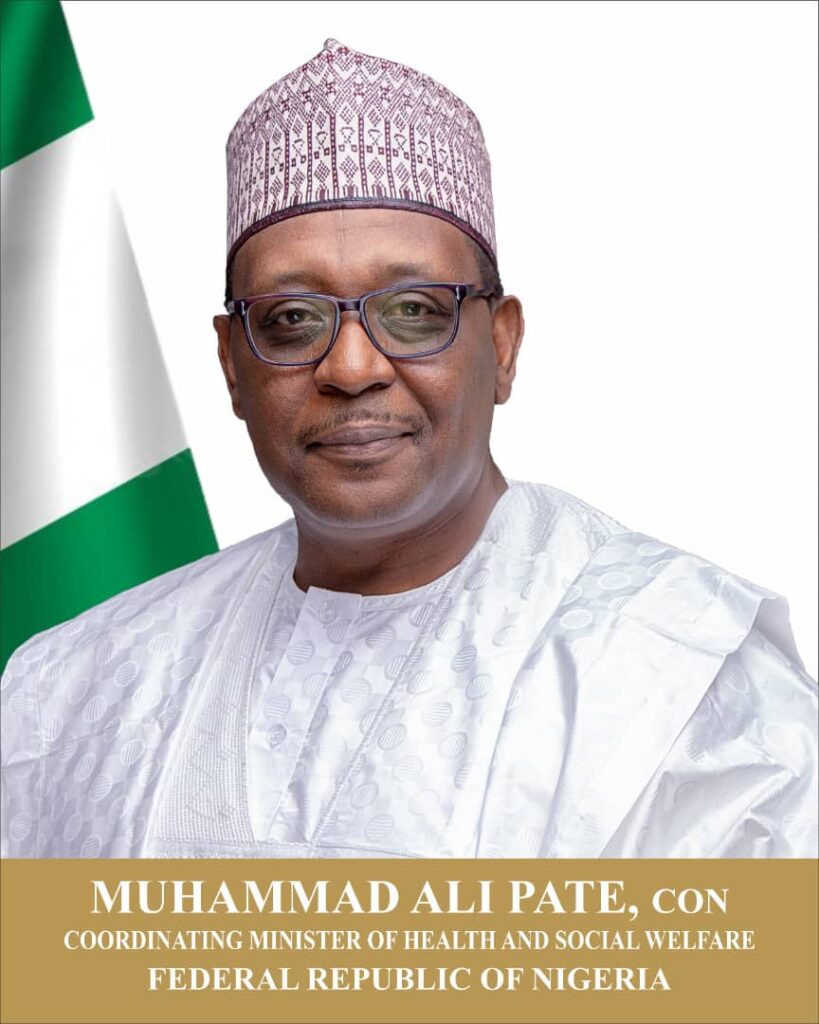
The Federal Government has approved the release of N40.7 billion to states through the Basic Health Care Provision Fund (BHCPF) for the third quarter of 2026, and will extend health insurance cover to inmates of the country's custodial centres.
The Coordinating Minister of Health and Social Welfare, Prof. Muhammad Pate, announced the approval on Wednesday in Abuja while briefing journalists at the 16th meeting of the BHCPF Ministerial Oversight Committee (MOC).
Pate credited the release to rising government revenue, which he linked to the macro-fiscal reforms of President Bola Tinubu's administration.
"N40.7 billion will go to all the states of the federation.
"That's the Federal Government's contribution with the increasing revenues that are coming, and that's from the Consolidated Revenue Fund (CRF)," he said.
According to the minister, monthly payments into the fund, and the amounts states receive from it, have almost doubled. He said the money was being used to strengthen Primary Healthcare (PHC) delivery in the 36 states and the Federal Capital Territory (FCT).
Pate, however, said the federal contribution should not be the ceiling for health financing, and called on state and local governments to add their own funds.
"That's not the limit. States should at least put that alongside the local government and even do more, because these are issues at the subnational level," he said.
The minister said the committee also considered expanding the fund's reach, and resolved to add 5,000 PHC facilities to the more than 8,000 already in its network.
He said the new facilities would be selected on the basis of equity, disease burden, population distribution and distance to health facilities, so that communities with the greatest need would come first.
"The MOC deliberated on those, noted the progress, and is going to add these 5,000 facilities with equity consideration, so that the burden of disease is considered, distance population is considered," Pate said.
He said the committee also discussed ways to improve access to quality, affordable health commodities and to ensure that Nigerians benefit from the increased funding.
On the health workforce, Pate said savings made through the National Primary Health Care Development Agency (NPHCDA) would be used to recruit frontline health workers.
He said the workers would be transitioned over the next three years, during which states are expected to take on growing responsibility for their employment and to hire more staff.
The minister also called for better funding at state level to strengthen the response to outbreaks of Lassa fever, cholera and diphtheria.
He said the overall case fatality from cholera was very low, though about 95 per cent of reported cases were concentrated in one state, while Lassa fever had recorded a high number of deaths.
Pate said adequate state funding could help tackle the outbreaks, and urged parents and caregivers to ensure that children receive their routine vaccinations against diphtheria.
"Those children that are vaccinated are unlikely to get the diphtheria disease," he said.
He called on civil society organisations, community leaders, the media and the joint task force involving the Independent Corrupt Practices and Other Related Offences Commission (ICPC) to monitor how the fund is used.
"The resources are flowing and we will continue to ensure that the resources get to their intended destinations and be useful for the intended purpose," he said.
Pate said the administration remained committed to rebuilding the country's health system, adding that the federal government was also investing in tertiary healthcare infrastructure, including diagnostic centres and cancer facilities.
The Minister of State for Health and Social Welfare, Dr Iziaq Salako, said the government was focused on both increasing funding and using resources efficiently to get the most from them.
Salako said the committee discussed co-procurement arrangements to secure better prices for health commodities supplied to PHC facilities.
He said working with civil society organisations and the ICPC was part of efforts to strengthen accountability and ensure value for money in the fund's implementation.
Salako also announced the committee's decision to extend coverage under the Vulnerable Group Health Insurance Fund to inmates across the country.
"Today we took a decision that prisoners in Nigeria will now be covered under the vulnerable health insurance fund.
"About 90,000 of them through this process will now begin to receive basic health care provision through the enablement of the President Bola Tinubu-led administration," he said.
The BHCPF is a government financing mechanism established under the National Health Act. It supports the delivery of basic healthcare services, particularly through PHC facilities, and mechanisms for widening access to essential services.
The MOC oversees the fund's implementation, including reviewing progress, addressing operational challenges and strengthening accountability, so that resources translate into better access to healthcare.
Written by
Atlantic Reports Admin
Comments
- Be the first to comment.