FG Enrols 20,000 More Women and Children in Kano into MAMA-PIKIN Health Insurance Scheme
By Atlantic Reports
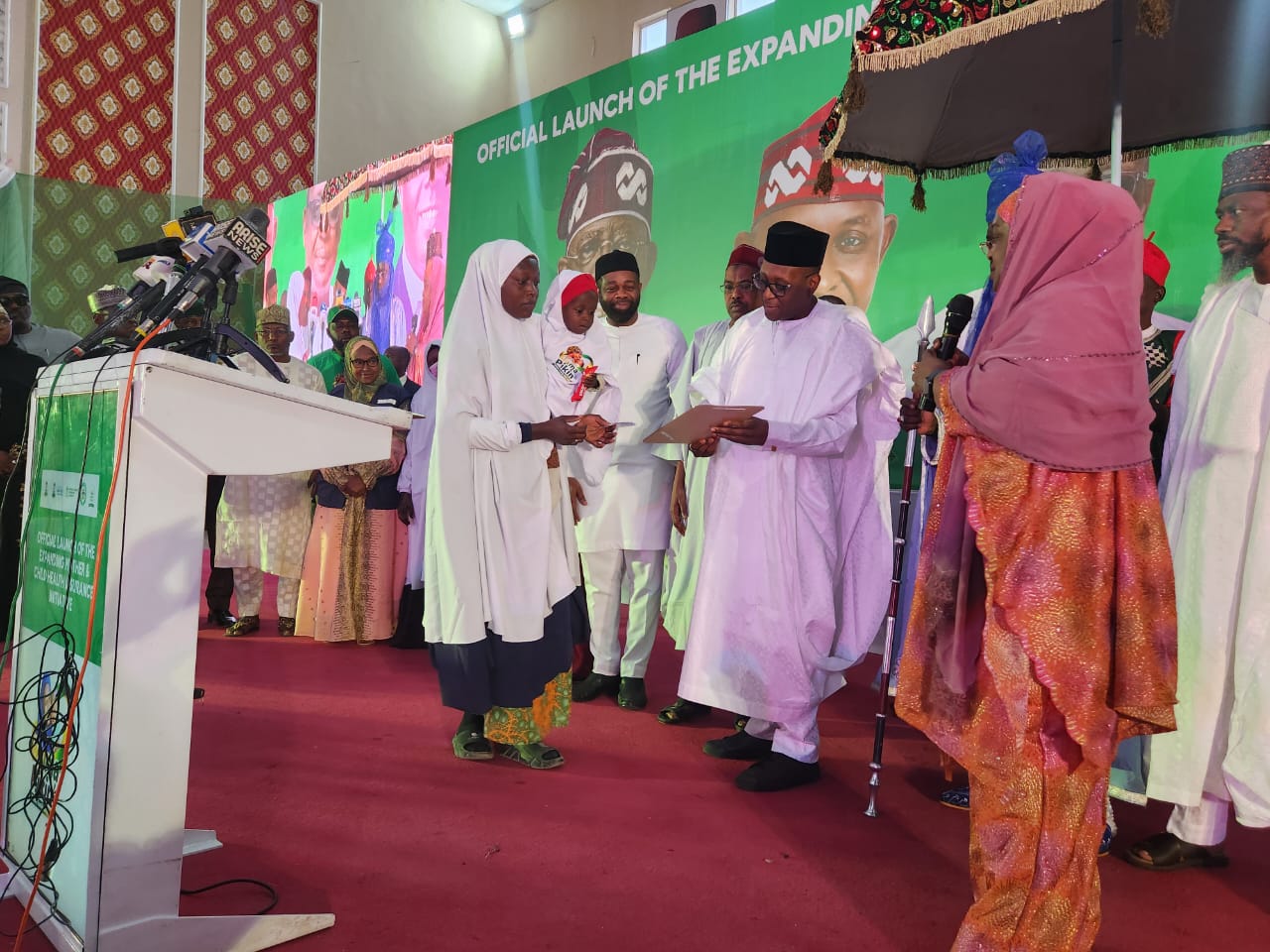
The Federal Government has enrolled an additional 20,000 women and children in Kano State under the Expanding Mother and Child Health Insurance Initiative, known as MAMA-PIKIN, in an effort to reduce financial barriers to maternal and child healthcare.
The Minister of Health and Social Welfare, Prof. Muhammad Ali Pate, announced the expansion on Thursday, November 26, during the programme's launch in Kano.
He said the initiative was designed to ensure that women received health insurance coverage throughout pregnancy and childbirth, regardless of their circumstances or location.
According to the minister, the scheme would cover eligible healthcare needs so that expectant mothers would not have to worry about the cost of essential services when accessing care.
“No woman or child should die while giving life, and no child’s life and future should be truncated by illness because they can’t afford the services,” he said.
Kano agency to coordinate implementation
Ali Pate said the Kano State Contributory Healthcare Management Agency would lead implementation in collaboration with participating health facilities.
The agency is expected to identify eligible vulnerable women, facilitate their enrolment and coordinate access to services.
The minister said the Federal Government would monitor enrolment, service utilisation and the programme's impact.
This monitoring will be important in determining whether the additional beneficiaries can access actual healthcare services, rather than simply receive insurance registration.
The minister described the initiative as part of President Bola Tinubu's administration's commitment to expanding access to quality healthcare.
Kano reports 1.4 million insured residents
The Director-General of the National Health Insurance Authority (NHIA), Dr Kelechi Ohiri, said approximately 1.4 million people in Kano State were covered by health insurance.
He attributed the reported expansion to the efforts of the state government, Governor Abba Yusuf, the health commissioner, the executive secretary of the contributory health agency and other stakeholders.
Ohiri also highlighted the impact of the state's CMOK healthcare financing programme, saying more than 8,000 women had benefited within less than two years.
He added that more than 5,000 newborns had received life-saving care through the programme.
However, the figures presented at the launch did not include a detailed breakdown of the beneficiaries, the services received or the geographical distribution of coverage.
Emergency obstetric care and rural access
Ohiri said the Federal Government had been working towards ensuring that women across Nigeria could access comprehensive emergency obstetric care, including caesarean sections.
He recalled that the Minister of Health had made the commitment at the 2025 joint annual review.
According to Ohiri, up to 100,000 people had benefited from interventions involving fistula repairs, emergency obstetric treatment and life-saving care for newborns.
He also disclosed that more than 300 hospitals nationwide were participating in the relevant healthcare interventions, with the number expected to increase.
The NHIA chief further commended Kano State's One Ward, One Ambulance initiative, which uses tricycle ambulances to transport vulnerable residents in rural communities to healthcare facilities.
The initiative is intended to address transportation difficulties that can delay access to emergency medical services, particularly for pregnant women and other vulnerable patients.
Enrolment must translate into accessible healthcare
The expansion of MAMA-PIKIN provides an opportunity to improve maternal and child health coverage in Kano, where financial and geographical barriers can prevent families from obtaining timely medical attention.
However, the number of people enrolled is only one measure of success. The programme's effectiveness will depend on the availability of participating hospitals, trained health workers, essential medicines, emergency services and reliable funding.
Questions also remain about the specific benefits covered, the duration of coverage, the process for identifying beneficiaries and the arrangements for monitoring claims and resolving complaints.
The government has not provided a detailed breakdown of how the additional 20,000 beneficiaries will be distributed across Kano's local government areas.
Identity cards were issued to beneficiaries at the launch to facilitate access to the initiative.
For the programme to deliver lasting results, women and children must be able to use their coverage without unnecessary delays, hidden charges or restrictions when they need medical attention.
Atlantic Reports: Voices. People. Facts.
Written by
Atlantic Reports Admin
Comments
- Be the first to comment.