FG Intensifies Ebola Contact Tracing, Urges Healthcare Facilities to Strengthen Safety Measures
By Atlantic Reports
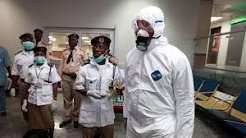
The Federal Government says it is strengthening Nigeria’s response to the confirmed Ebola disease case in the FCT, with public health teams identifying and monitoring people who may have been exposed to the virus.
The Director-General of the Nigeria Centre for Disease Control and Prevention (NCDC), Dr Jide Idris, disclosed this at a media conference in Abuja on Sunday.
Idris said the patient was receiving medical care under isolation, with infection prevention and control measures in place and clinical teams monitoring the patient’s condition.
He said the response involved the Federal Ministry of Health and Social Welfare, the NCDC, FCT health authorities, other government agencies and technical partners.
According to him, the coordinated effort is intended to prevent further transmission and protect public health.
Contact Tracing Targets Potential Exposures
Idris explained that the case was detected after healthcare workers identified clinical features that raised concerns about a possible Ebola infection.
The alert was subsequently reported through the NCDC’s event-based surveillance system, prompting engagement with FCT health authorities, further investigations and laboratory testing that confirmed the infection.
Contact tracing is covering healthcare workers, patients, caregivers, household members, travel-related contacts and other people who may have had relevant exposure.
Public health teams are monitoring identified contacts for 21 days after their last possible exposure, allowing authorities to detect symptoms and investigate suspected infections promptly.
Idris urged people contacted by public health officials to provide accurate information about their movements, contacts and any symptoms they may have experienced.
“Being identified as a contact does not mean that you have Ebola,” he said.
He explained that the exercise was intended to assess people’s health, monitor their condition and identify possible infections early.
Healthcare Facilities Told to Strengthen Infection Control
The NCDC is working with the facility treating the confirmed patient to strengthen clinical management and infection prevention measures.
Idris said the response was also drawing on the experience of clinicians and case managers who participated in Nigeria’s 2014 Ebola outbreak response.
He added that the NCDC and FCT health authorities were strengthening screening, triage, isolation readiness and healthcare worker protection.
Trained infection prevention and control professionals are also being deployed to support healthcare facilities.
The director-general urged public and private hospitals across the country to review their safety procedures, including hand hygiene, environmental cleaning, injection safety, safe sharps management and the correct use of personal protective equipment.
“Healthcare workers should not wait for laboratory confirmation before taking appropriate precautions,” he said.
He also advised healthcare facilities to promptly separate suspected cases from other patients and notify the relevant public health authorities.
Surveillance and Laboratory Testing Remain Priorities
Idris said heightened surveillance and laboratory arrangements were being maintained to ensure that suspected cases could be investigated and tested without delay.
Early identification and appropriate isolation are important components of containing Ebola because the virus can spread through direct contact with the blood and other body fluids of an infected person who is showing symptoms.
The agency’s approach is therefore focused on identifying possible exposures, protecting healthcare workers, monitoring contacts and ensuring that suspected cases receive prompt assessment.
Lessons From Nigeria’s 2014 Ebola Response
Idris recalled Nigeria’s experience during the 2014 Ebola outbreak, when he served as Lagos State Commissioner for Health and led the state’s response.
He said the experience offered important lessons in leadership, coordination, early detection, contact tracing, infection prevention and public trust.
According to him, Nigeria is drawing on those lessons and the public health capacity developed since then to manage the current case.
He stressed that the effectiveness of the response would depend on cooperation among government institutions, communities, healthcare workers, civil society organisations, private-sector partners and development agencies.
Public Urged to Avoid Exposure and Report Symptoms
Idris advised Nigerians to practise regular hand hygiene and avoid direct contact with the blood and other body fluids of anyone suspected of having Ebola.
Anyone who believes they may have been exposed should promptly contact public health authorities for guidance.
People who develop symptoms following possible exposure should also notify health officials immediately and follow their instructions before visiting a healthcare facility.
The director-general urged Nigerians to rely on verified information from the NCDC, the Federal Ministry of Health and Social Welfare and other authorised public health sources.
He warned that misinformation could generate unnecessary fear, discourage people from reporting symptoms and weaken the cooperation needed to contain the disease.
Idris called on the public to remain calm, support healthcare workers and comply with public health guidance as authorities continue efforts to prevent further transmission.
Atlantic Reports: Voices. People. Facts.
Written by
Atlantic Reports Admin
Comments
- Be the first to comment.