FG Raises Alarm Over Global Sanitation Crisis, Calls for Urgent Action Against Open Defecation
By Atlantic Reports
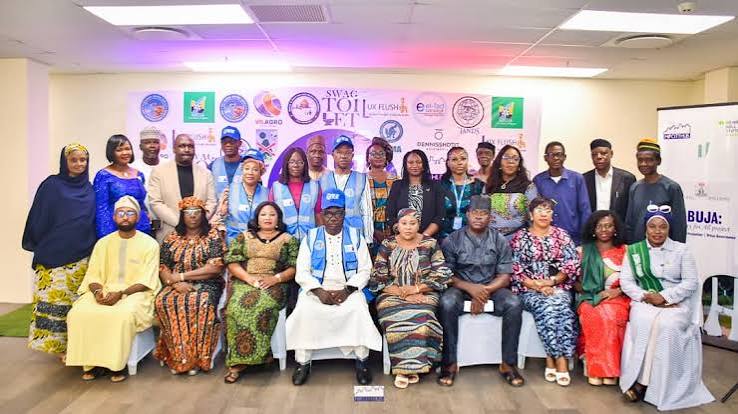
The Minister of Environment, Malam Balarabe Lawal, made the call on Tuesday, November 10, 2026, in Abuja during a ministerial news conference ahead of the 2026 World Toilet Day.
Lawal, represented by the ministry's Director of Pollution Control and Environmental Health, Mrs Omotunde Adeola, described inadequate sanitation as a major public health and environmental challenge in Nigeria.
This year's World Toilet Day theme, “Sanitation and Gender Equality”, carries the tagline, “Safe Toilets. Equal Futures”, highlighting the importance of secure toilet facilities, access to soap and water, and adequate menstrual hygiene facilities.
The minister said the global figures demonstrated the urgency of accelerating efforts towards achieving the Sustainable Development Goals, particularly those relating to clean water, sanitation, gender equality and good health.
Public Spaces Still Lack Adequate Toilet Facilities
Lawal identified markets, motor parks, schools and residential communities as places where inadequate and poorly maintained toilet facilities continue to encourage open defecation and environmental pollution.
He warned that poor sanitation could contaminate food and water sources, increasing the risk of infectious diseases, including cholera and typhoid.
According to him, the Federal Government remains committed to ending open defecation and promoting access to safe, dignified and sustainable sanitation facilities.
He emphasised that adequate sanitation was essential to protecting the health, safety and dignity of women and girls, while enabling their participation in education, employment and public life.
The minister noted that women, girls, children, older persons and persons with disabilities were particularly affected by inadequate sanitation infrastructure.
He stressed that children should not miss school because of poor toilet facilities, while women and girls should not be forced to compromise their safety and dignity due to the absence of appropriate sanitation services.
FG Expands Sanitation Interventions
To address the challenges, Lawal said the Ministry of Environment was collaborating with relevant ministries, state governments and development partners to improve sanitation and promote safe excreta disposal nationwide.
He outlined several interventions, including:
-
Training Environmental Health Officers in faecal sludge management and appropriate toilet design.
-
Integrating sanitation into climate adaptation and circular economy initiatives.
-
Implementing the Clean and Green Programme.
-
Strengthening Community-Based Waste Management and Open Defecation Control Programme.
-
Partnering with private sector operators to provide environmentally friendly sanitation facilities.
He said the government would also engage residents, traders, food vendors and other community members through public discussions, health talks and practical demonstrations on sanitation, hand hygiene and safe waste disposal.
National Dialogue on Faecal Sludge Management
The minister announced plans to convene a National Dialogue on Faecal Sludge Management on November 23, involving seven selected states across the six geopolitical zones and the Federal Capital Territory.
He said the meeting would provide an opportunity for participating states to exchange experiences, examine existing challenges and assess interventions aimed at improving sanitation management.
The dialogue is also expected to produce practical recommendations for sanitation planning, implementation and monitoring.
As part of the World Toilet Day activities, the ministry will organise a community engagement and sensitisation campaign at Kpadna Community, Utako, Abuja, on November 19.
Lawal added that similar activities would take place across all states, including community sensitisation, advocacy campaigns and sanitary inspections of public facilities.
FG Calls for Improved Wastewater Management
The minister urged state and local governments to strengthen the management of faecal sludge and wastewater through environmentally responsible collection, transportation, treatment, disposal and reuse systems.
He also encouraged households and communities to adopt proper toilet practices, regular handwashing, personal hygiene and environmental cleanliness.
Private investors were urged to support the development of affordable sanitation technologies, while development partners, non-governmental organisations and civil society groups were encouraged to sustain public education and infrastructure development, particularly in underserved communities.
Women and Girls Disproportionately Affected
Similarly, the ministry's Permanent Secretary, Dr Salihu Usman, said the United Nations General Assembly designated November 19 as World Toilet Day in 2013 to raise awareness of the global sanitation crisis and mobilise action towards achieving Sustainable Development Goal Six.
Usman, represented by Mrs Rita Okea, Deputy Director and Head of Pollution Control and Environmental Health in the ministry, said inadequate sanitation remained a significant challenge in Nigeria and other parts of the world.
He noted that women and girls were disproportionately affected, particularly in schools, workplaces, public spaces and underserved communities.
Okea explained that the absence of safe, accessible and private toilet facilities could undermine their health, personal safety, dignity and participation in everyday activities.
She called on journalists to use their platforms to promote awareness that inclusive sanitation was fundamental to gender equality, public health and sustainable development.
Rural Communities Face Greater Sanitation Challenges
Findings from the 2024 Nigeria Demographic and Health Survey (NDHS) further illustrate the scale of Nigeria's sanitation challenges.
The survey found that 20 per cent of Nigeria's household population practised open defecation, while 49 per cent had access to at least basic sanitation services.
It also revealed a significant difference between urban and rural communities.
While 63 per cent of the urban population used at least basic sanitation services, the proportion stood at 38 per cent in rural areas.
The figures highlight the unequal distribution of sanitation infrastructure and the need for interventions that extend beyond major cities to rural settlements and underserved communities.
World Toilet Day: A Global Call to Action
World Toilet Day is observed annually on November 19 to promote awareness of the sanitation crisis and encourage action towards ensuring safe toilets and adequate sanitation for everyone.
The World Toilet Organisation initiated the observance in 2001 before the United Nations General Assembly officially designated the date as World Toilet Day in 2013 through Resolution 67/291.
As Nigeria joins the global campaign, the challenge will be translating public awareness and government commitments into functional toilet facilities, effective waste management systems and equitable access to sanitation.
For millions of Nigerians, particularly those in rural communities, schools, markets and overcrowded public spaces, access to safe sanitation remains essential to health, dignity and everyday security.
Atlantic Reports: Voices. People. Facts.
Written by
Atlantic Reports Admin
Comments
- Be the first to comment.