FG Targets 20 Federal Universities for CNG Facilities to Reduce Students’ Transport Costs
By Atlantic Reports
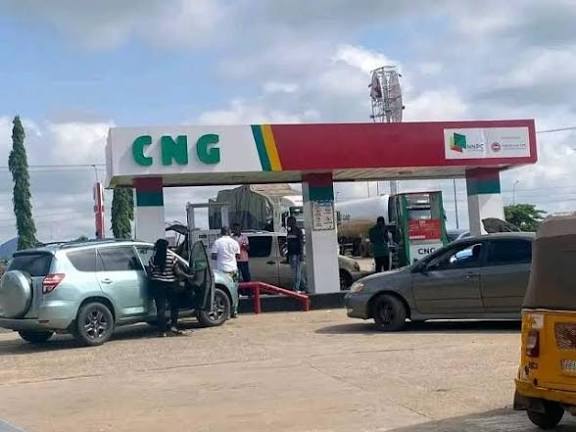
The Federal Government has announced plans to extend Compressed Natural Gas (CNG) refuelling and vehicle conversion facilities to 20 federal universities as part of efforts to reduce transportation costs for students.
The Minister of Education, Dr Tunji Alausa, disclosed this on Friday in Lagos during the inauguration of CNG facilities at the University of Lagos (UNILAG), with simultaneous commissioning at three other institutions.
The participating universities are UNILAG, the University of Ibadan, the Federal University of Technology, Akure, and the Federal University Oye-Ekiti.
The initiative, known as the Special Palliative Relief on University Transportation (Project SPROUT), is designed to provide universities with alternative fuel infrastructure and support more affordable campus transportation.
Six-zone pilot to begin wider rollout
Alausa said the programme would cover 20 federal universities, beginning with a pilot phase involving one institution from each of Nigeria’s six geopolitical zones.
He described the inauguration of the four facilities as a step towards achieving the programme’s objectives.
According to the minister, CNG adoption is expected to reduce vehicle operating costs, but he stressed that the savings must translate into lower fares and more reliable shuttle services for students.
He urged university managements and transport operators to ensure that the benefits reach students rather than remain limited to reduced operating expenses.
Alausa commended President Bola Tinubu for promoting the use of Nigeria’s natural gas as an alternative transportation fuel. He also acknowledged the contributions of the participating universities, FEMADEC Energy Ltd., the Midstream and Downstream Gas Infrastructure Fund (MDGIF) and the Presidential CNG Initiative.
Minister insists on safety and regulatory compliance
The minister emphasised that the facilities must operate under appropriate safety standards.
He urged university authorities and operators to provide regular staff training, maintain equipment and establish effective emergency response procedures.
Alausa also stressed that commercial operations should begin only after the necessary regulatory approvals had been secured.
The vehicle conversion centres, he added, could serve as practical training facilities for engineering students and others studying relevant disciplines.
He encouraged university managements to work with operators to provide supervised exposure to vehicle conversion, equipment maintenance and CNG station operations.
Students were also asked to provide feedback on transport fares, routes and waiting times to help assess whether the programme was improving campus mobility.
UNILAG, students welcome initiative
The Vice-Chancellor of UNILAG, Prof. Folasade Ogunsola, described the inauguration as an important development in efforts to promote cleaner and more energy-efficient transportation.
She said the project demonstrated how government, private companies and higher institutions could collaborate to address national development challenges.
Ogunsola acknowledged the contributions of the Federal Government, MDGIF and FEMADEC Energy Ltd. towards establishing the facilities.
The President of the National Association of Nigerian Students (NANS), Mr Babatunde Akinteye, said transportation consumed a significant portion of many students’ upkeep.
He said CNG-powered transport solutions could ease students’ financial pressures while supporting a cleaner campus environment.
Affordability will determine the programme’s impact
The planned expansion comes amid continuing concerns about the cost of daily transportation for students, particularly those who depend on commercial vehicles to travel between their homes and campuses.
However, installing refuelling facilities alone will not guarantee cheaper or more reliable transport. The impact will depend on the availability of CNG, the number of vehicles converted, the cost of conversion, maintenance arrangements and the willingness of transport operators to pass savings on to passengers.
The Federal Government has yet to provide a detailed implementation timeline for all 20 universities or specify the expected reduction in student transport fares.
Regular monitoring of fares, waiting times, vehicle availability and safety standards will be important in determining whether Project SPROUT delivers its intended benefits.
Atlantic Reports: Voices. People. Facts.
Written by
Atlantic Reports Admin
Comments
- Be the first to comment.