FG to Begin Apapa, Tin-Can Ports Modernisation on November 25
By Atlantic Reports
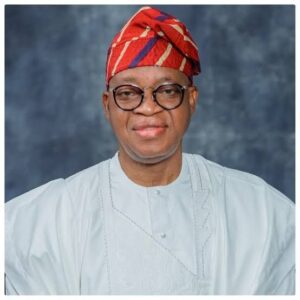
The Minister of Marine and Blue Economy, Dr Adegboyega Oyetola, will perform the flag-off ceremony, marking the start of the planned rehabilitation and upgrading of the two major ports.
The minister’s Special Adviser, Dr Bolaji Akinola, announced the date in a statement on Monday.
He said Apapa and Tin-Can Island ports jointly handled more than 70 per cent of Nigeria’s non-oil export cargo, making their efficiency important to the country’s international trade and economic development.
According to Akinola, the project will be the first comprehensive upgrade of the facilities in about 50 years.
He said the intervention was intended to address ageing infrastructure, operational difficulties and increasing pressure on the country’s busiest port corridors.
Government targets faster cargo movement
The planned modernisation is expected to improve cargo-handling capacity, reduce vessel turnaround time and shorten the period goods remain at the ports.
Other stated objectives include improving access roads and logistics, strengthening safety and security, and creating a more efficient operating environment for port users, investors and maritime businesses.
However, the extent to which these objectives will be achieved will depend on the project's implementation, funding, construction timelines and the management of port operations during the upgrade.
The government has not provided further details in the announcement about the project's total cost, funding arrangements or completion schedule.
Four other ports approved for upgrade
Akinola also disclosed that the Federal Government had approved the modernisation of four other major seaports outside Lagos.
They are the Warri, Onne, Calabar and Rivers ports.
The broader programme, according to him, is intended to expand cargo-handling capacity, encourage more balanced regional development and reduce the concentration of maritime activities in Lagos.
For port communities and businesses in the Niger Delta, the proposed upgrades could create opportunities to expand trade and maritime-related economic activities, provided the projects translate into improved facilities, reliable logistics connections and efficient port operations.
Port infrastructure and economic diversification
Akinola said modern port infrastructure was essential to the government's economic diversification agenda, particularly its efforts to increase non-oil exports, support local industries and improve the ease of doing business.
He added that the programme would promote better connections between seaports, road and rail networks, inland waterways and dry ports to strengthen multimodal transportation and trade facilitation.
The planned upgrades come amid growing expectations that Nigeria's maritime sector should play a stronger role in reducing dependence on crude oil exports and supporting businesses involved in manufacturing, agriculture and international trade.
Beyond the November 25 flag-off, key measures of success will include whether the projects are completed within clearly defined timelines, whether cargo clearance becomes faster and whether businesses and port users experience a measurable reduction in logistics costs.
Atlantic Reports: Voices. People. Facts.
Written by
Atlantic Reports Admin
Comments
- Be the first to comment.