Firm Plans Digital and Creative Skills Training for 50,000 North-West Youths
By Atlantic Reports
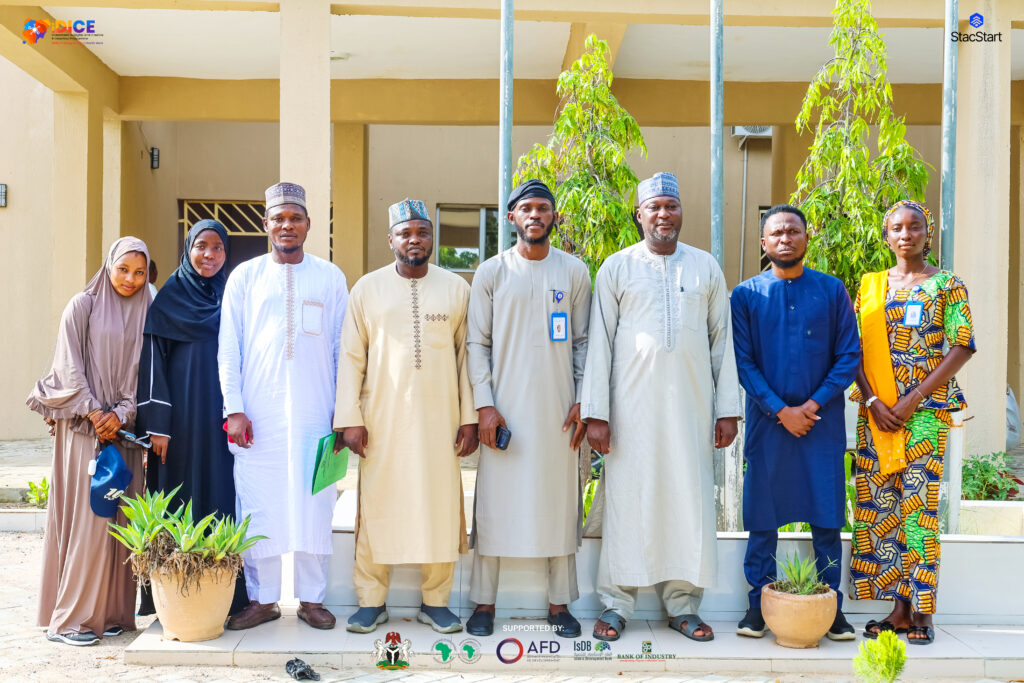
Conclase Consulting Ltd. has announced plans to train 50,000 young people across seven states in North-West Nigeria through its subsidiary, StacStart, under the Federal Government’s Digital and Creative Enterprises (iDICE) programme.
The initiative will cover Kano, Kaduna, Katsina, Kebbi, Jigawa, Sokoto and Zamfara, with the proposed training expected to reach young people across 186 local government areas.
According to a statement issued on Wednesday by Adamson Victor, the company’s Communications and Public Relations Manager for the StacStart iDICE project, the programme is designed to equip participants with digital, creative and vocational skills to improve employability, encourage entrepreneurship and widen access to economic opportunities.
The initiative is being piloted in the North-West under iDICE, coordinated by the Bank of Industry (BOI) in partnership with the African Development Bank, the Islamic Development Bank and Agence Française de Développement.
Training to cover technology and creative industries
Victor said successful applicants would undergo an 18-week training programme covering foundational, intermediate and advanced learning levels.
The proposed technology courses include artificial intelligence and machine learning, cybersecurity, cloud engineering, software engineering and data analytics.
Participants will also be able to pursue creative and vocational fields such as user interface and user experience design, 3D animation, content creation, social media management, graphic design, fashion design, culinary arts and food production.
Beyond classroom instruction, the programme is expected to include employability training, mentorship and certification, alongside internship and job placement opportunities.
These additional components are intended to help participants apply their skills in the workplace or use them to establish businesses.
However, the number of participants who will secure internships, obtain jobs or establish viable businesses will depend on implementation and the availability of suitable opportunities after training.
Women and underserved young people included
The programme is targeting 50 per cent female participation, according to Victor.
It will also include young people who are not in employment, education or training, as well as persons with disabilities.
The proposed inclusion measures could widen access to skills development for groups that face barriers to formal employment and training. Their effectiveness will depend on recruitment procedures, accessibility arrangements and the support available to participants throughout the programme.
The statement did not provide application deadlines, eligibility criteria, training locations or details of how participants would be selected.
Company says focus is on jobs and livelihoods
Adeposi Bamiduro, Chief Executive Officer of Conclase Consulting and StacStart, said the initiative was intended to connect skills acquisition with employment and sustainable livelihoods.
“Digital skills are only truly valuable when they create opportunities,” Bamiduro said.
He added that the programme’s focus extended beyond training to connecting participants with opportunities and helping them build sustainable careers and livelihoods.
Abudu Damilola, the programme director, similarly said the initiative was designed to link skills development with meaningful economic outcomes.
“Our responsibility is not simply to train 50,000 young people, but to build a system that helps them translate those skills into meaningful livelihoods,” Damilola said.
The emphasis on employment outcomes raises an important implementation question: how the programme will track participants after graduation and measure the number who obtain paid work, secure internships or establish sustainable enterprises.
Implementation will determine impact
Victor said the programme aligned with the Federal Government’s efforts to strengthen human capital development, expand the digital economy and improve the competitiveness of Nigerian talent in domestic and international markets.
The proposed 50,000-person training target represents a substantial skills-development ambition across the seven North-West states. Yet the announcement concerns plans, and the information provided does not establish that recruitment or training has begun.
Key indicators of progress will include the number of applicants selected, completion rates, access for women and persons with disabilities, and the proportion of graduates who secure employment or generate income through their skills.
The programme’s wider impact will ultimately depend on whether the training translates into practical opportunities for young people and businesses across the region.
Atlantic Reports: Voices. People. Facts.
Written by
Atlantic Reports Admin
Comments
- Be the first to comment.