Five Nigerian Journalists Selected for Drug-Resistant TB Media Fellowship
By Atlantic Reports
Five Nigerian journalists have been selected for the inaugural Drug-Resistant Tuberculosis (DR-TB) Media Fellowship organised by the Debriche Health Development Centre (DHDC) to improve public understanding of the disease and strengthen accountability in the country’s tuberculosis response.
The selected journalists emerged from more than 50 applicants and include Folasade Akpan, a Senior Editor at the News Agency of Nigeria (NAN).
Others are Marcus Fatunmole of the International Centre for Investigative Reporting (ICIR), Modupe Aduloju of Kapital FM, Ojoma Akor of Health and Science Africa, and Oluwatomisin Amokeoja of Forbes Africa.
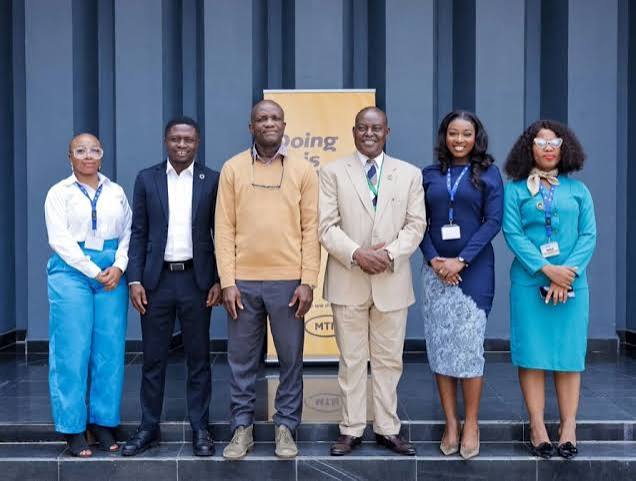
The fellowship was formally inaugurated during an orientation workshop in Abuja on Friday.
It is supported by the Stop TB Partnership in Geneva and implemented in collaboration with the National Tuberculosis, Buruli Ulcer and Leprosy Control Programme (NTBLCP).
Fellowship targets misconceptions and reporting gaps
The programme is designed to equip journalists with the knowledge and resources needed to produce accurate, evidence-based reports on drug-resistant tuberculosis.
Participants were introduced to the medical, social and economic dimensions of the disease, alongside discussions on the media's role in shaping public understanding and influencing Nigeria's response.
Speaking at the workshop, the National Coordinator of NTBLCP, Dr Clement Adesigbin, highlighted the influence of media reporting on public attitudes towards tuberculosis and drug-resistant forms of the disease.
He warned that misinformation and misconceptions could undermine prevention, diagnosis, treatment and support for affected individuals.
The fellowship seeks to address these challenges by encouraging reporting that explains the realities of the disease rather than relying solely on statistics and official statements.
Community monitoring platform to support investigations
A key component of the programme is the introduction of OneImpact Nigeria, a community-led monitoring platform that documents challenges experienced by people affected by tuberculosis.
The platform captures barriers such as transportation costs, financial difficulties, stigma, discrimination and nutritional challenges, all of which can affect patients' ability to remain on treatment.
Its community-generated information is expected to help journalists investigate problems that may not be adequately reflected in routine health programme data.
It can also provide evidence for examining whether institutions and relevant stakeholders are responding to challenges identified by affected communities.
DHDC calls for people-centred health reporting
The Executive Director of DHDC, Mrs Deborah Ikeh, said the fellowship would strengthen journalists' capacity to produce stories that reflect the experiences of people living with drug-resistant tuberculosis.
“The media plays a critical role in shaping public understanding and influencing the response to DR-TB.
“Through this fellowship, we want to equip journalists with the knowledge, access and resources to tell stories that go beyond statistics, amplify the voices of affected communities and draw attention to the barriers that require urgent action,” she said.
Ikeh said responsible reporting could strengthen public accountability and contribute to efforts to end tuberculosis in Nigeria.
She added that the fellows would engage with national and international experts, government institutions, development partners, programme stakeholders and people affected by the disease.
Reporting to examine treatment costs, stigma and access to care
The fellowship will support investigations and reports covering several dimensions of Nigeria's tuberculosis response.
These include the burden of drug-resistant tuberculosis, delays in diagnosis, barriers to treatment access, catastrophic healthcare costs and the financial pressures faced by affected households.
The journalists are also expected to examine stigma and discrimination while highlighting successful interventions, promising practices and initiatives improving access to care.
DHDC and NTBLCP will facilitate access to relevant experts, government officials, programme stakeholders and, where ethically appropriate, people affected by DR-TB who are willing to share their experiences.
Such access will be important in ensuring that reporting reflects both institutional perspectives and the realities of patients and their families.
Accountability remains central to tuberculosis response
Drug-resistant tuberculosis presents challenges that extend beyond medical treatment. Transportation costs, financial hardship, inadequate nutrition and social discrimination can make it difficult for patients to complete treatment.
Addressing these barriers requires coordinated action from health authorities, healthcare providers, development partners and communities.
The fellowship offers an opportunity to strengthen journalism's contribution by examining whether policies and programmes are delivering practical support to affected people.
Its impact will ultimately depend on the quality of the stories produced, the evidence uncovered and whether the issues raised lead to meaningful responses from responsible institutions.
Atlantic Reports: Voices. People. Facts.
Written by
Atlantic Reports Admin
Comments
- Be the first to comment.