Floods, Windstorms Affect 38,820 People, Displace 1,181 in Yobe
By Atlantic Reports
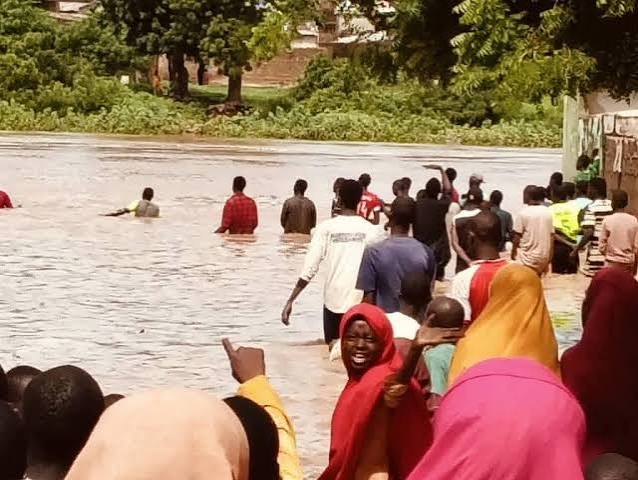
The Yobe State Emergency Management Agency (YOSEMA) has reported that flash floods and windstorms damaged 23,213 shelters and displaced 1,181 people between May 8 and October 11, 2026.
Dr Muhammed Jalo, YOSEMA’s Director of Search and Rescue Operations, disclosed the figures in an interview in Damaturu on Tuesday.
He said 11,580 households had been affected, with many families facing damaged homes and urgent needs for shelter, food, household supplies and safe drinking water.
Between August 10 and October 11 alone, a further 1,735 households, comprising 4,287 people, were affected across 131 communities in six local government areas.
Tarmuwa and Nangere record severe damage
Jalo identified Tarmuwa and Nangere as the worst-affected areas during the latest reporting period, with traditional mud houses and buildings with weak roofing structures sustaining considerable damage.
In Tarmuwa, 704 households comprising 891 people were affected. The agency recorded damage to 768 shelters or rooms and 23 injuries.
Nangere recorded 619 affected households, comprising 656 people, across 110 communities. A total of 281 shelters were damaged, while 17 people sustained injuries.
Jalo said the figures highlighted the vulnerability of communities exposed to heavy rainfall, flash flooding and strong winds, particularly where residential structures could not withstand severe weather.
The cumulative toll since the emergency began stood at 352 injuries and 11 deaths, according to the agency. A further 49 injuries were recorded during the latest reporting period, with no additional deaths reported.
He attributed many of the injuries to collapsing mud walls, buildings weakened by rainfall and flooding, and falling roofing sheets and debris.
Schools and water facilities also damaged
The disaster has extended beyond residential buildings to public infrastructure supporting education, water supply and community life.
Jalo identified Ngomari Central Primary School in Gujba and a primary school in Tarmuwa among the affected facilities.
In Chukuriwa village, Nangere Local Government Area, water overflow damaged a borehole, a well and a mosque.
The damage to homes and community facilities has compounded the difficulties facing residents, particularly families needing temporary accommodation and assistance to restore their livelihoods.
Displaced families need emergency shelter
YOSEMA said 490 households, comprising 1,181 people, had been displaced and were staying with host communities or in temporary shelters while awaiting further assistance.
Jalo identified emergency shelter and housing support as immediate priorities, including tarpaulins, roofing sheets, timber, shelter repair kits and transitional accommodation for families whose homes were severely damaged or destroyed.
Affected households also require blankets, sleeping mats, kitchen sets, mosquito nets, food assistance and water, sanitation and hygiene services.
He said damaged schools and water points also needed restoration to help communities regain access to essential services.
Humanitarian assistance continues, but gaps remain
YOSEMA and humanitarian partners have provided assistance to some affected households, although the agency said substantial needs remained unmet.
According to Jalo, YOSEMA provided food assistance to 293 households in Nguru in August, while Action Against Hunger distributed non-food items to 25 households in the area.
Save the Children International distributed non-food, hygiene and water, sanitation and hygiene kits to 390 households in Mamudo, Potiskum, and another 220 households in communities in Jakusko.
Jalo said the interventions had offered some relief but had not fully addressed the needs of communities affected by the floods and windstorms.
He called for sustained support, particularly for families requiring emergency shelter, food, household supplies and safe drinking water.
He also emphasised the need to improve early warning dissemination, community awareness and safer construction practices to reduce the impact of severe weather.
The agency said its assessments were conducted in collaboration with Local Emergency Management Committees and humanitarian partners.
The 16 affected local government areas are Bade, Bursari, Damaturu, Fika, Fune, Gujba, Gulani, Jakusko, Karasuwa, Machina, Nangere, Nguru, Potiskum, Tarmuwa, Yunusari and Yusufari.
Atlantic Reports: Voices. People. Facts.
Written by
Atlantic Reports Admin
Comments
- Be the first to comment.