Gavi, WHO and UNICEF Partner Kaduna to Reach Zero-Dose Children, Strengthen Immunisation
By Atlantic Reports
The Gavi Vaccine Alliance, the World Health Organisation (WHO), UNICEF and other development partners have joined the Kaduna State Government to strengthen routine immunisation and address the growing number of children who have not received any routine vaccines.
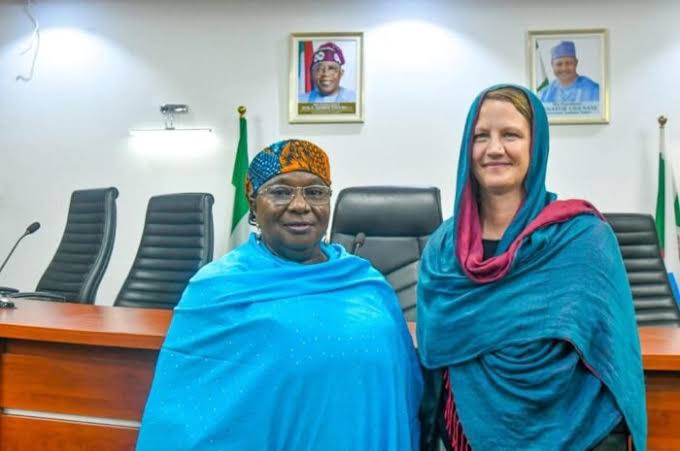
The collaboration was discussed during a high-level delegation visit to Kaduna on Monday, November 9, 2026, where stakeholders assessed challenges affecting vaccine delivery and primary healthcare services.
The engagement brought together government officials, international health organisations and development partners to review existing gaps and develop interventions aimed at improving immunisation coverage.
Kaduna acknowledges gaps in immunisation
The Executive Secretary of the Kaduna State Primary Health Care Board, Prof. Bello Jamoh, said recognising the weaknesses in the state's healthcare system was essential to developing effective solutions.
Jamoh said the government was prepared to deploy available human, financial and other resources to address the challenges.
He explained that the engagement provided an opportunity to identify immediate, medium-term and long-term interventions, with clearly defined responsibilities for the participating organisations.
According to him, Kaduna has recorded improvements in infant and neonatal mortality, healthcare utilisation and skilled birth attendance compared with findings from the 2018 National Demographic and Health Survey.
However, he expressed concern about the relative increase in zero-dose children, warning that gaps in vaccination coverage were contributing to vulnerability to preventable diseases.
He identified diphtheria outbreaks as one of the consequences of inadequate population immunity.
Jamoh said the state had conducted diagnostic assessments and developed strategies with its partners to improve immunisation outcomes.
He added that the involvement of political stakeholders and development organisations would provide additional expertise, resources and constructive scrutiny.
Gavi identifies insecurity and vaccine supply challenges
Leading the delegation, Gavi's Chief Country Delivery Officer, Dr Thabani Maphosa, said the visit was intended to understand Kaduna's healthcare priorities and identify areas where development partners could provide support.
He commended the state government for openly discussing challenges affecting healthcare delivery.
Maphosa identified insecurity as one of the factors limiting access to health services but noted that Kaduna had introduced measures to address the problem.
He also cited the DRIVE initiative as an intervention helping to tackle vaccine stock-outs and manage supply challenges.
He said the state's 2+2 development agenda provided a framework for aligning partners' interventions with government priorities.
Maphosa stressed that effective coordination and disciplined implementation would be necessary to translate agreed strategies into measurable improvements.
Community mobilisation gains momentum
The Director of Disease Control and Immunisation at the National Primary Health Care Development Agency (NPHCDA), Dr Garba Rufai, said the delegation also engaged community members to understand their experiences and attitudes towards vaccination.
Rufai disclosed that a community recently experienced a disease outbreak in which five children reportedly died.
He said the incident had heightened awareness of the dangers of immunity gaps and made efforts to mobilise parents for vaccination easier.
According to him, a community leader had begun engaging ward heads, men, husbands and household heads to encourage families to ensure their children received recommended vaccines.
Rufai described the growing involvement of men in immunisation advocacy as significant, particularly in communities where their participation had previously been limited.
He also acknowledged the contributions of community leaders, civil society organisations and community-based groups in supporting vaccination campaigns.
UNICEF reports improvement in vaccine availability
UNICEF Nigeria's Deputy Representative, Ms Rownak Khan, said the delegation assessed health service delivery and reviewed Kaduna's strategies for improving routine immunisation.
She explained that the team examined relevant data and implementation plans with the State Primary Health Care Board as part of a Joint Annual Review involving UNICEF, WHO, Gavi, the Gates Foundation and other development partners.
The delegation also visited a primary healthcare facility, where it observed services covering routine immunisation, nutrition, adolescent and young people's health, and family planning.
Khan said available data indicated that many children had not received routine vaccinations, leaving them exposed to diseases such as diphtheria and measles.
She urged the state government to implement the agreed interventions and provide adequate funding for healthcare services.
Khan said UNICEF would continue supporting Kaduna through programmes covering health, education, nutrition and child protection.
She also disclosed that UNICEF's support for vaccine delivery had helped reduce vaccine stock-outs from nearly 80 per cent to 25 per cent.
The organisation, she added, would sustain its support for polio eradication and other immunisation programmes.
WHO urges parents to complete children's vaccination schedules
The Director of WHO's Department of Immunisation, Vaccines and Biologicals, Dr Kate O'Brien, said the delegation engaged mothers, fathers and community leaders on the importance of vaccination.
O'Brien said the team examined some immunisation cards and found that although many children had completed their vaccination schedules, others had missed certain doses.
She said discussions focused on identifying the vaccines required to help those children catch up with their immunisation schedules.
O'Brien described vaccines as safe, life-saving interventions that protect children against preventable diseases and support their healthy development.
She urged parents to ensure their children received all recommended vaccines.
Implementation and funding remain critical
The partnership places renewed attention on Kaduna's immunisation gaps, particularly the children who have not received any routine vaccines.
While the discussions produced jointly developed action plans, their impact will depend on sustained funding, reliable vaccine supplies, access to healthcare facilities and effective community engagement.
Insecurity also remains a challenge in some areas, making it important for interventions to reach children in underserved and hard-to-access communities.
The state government's ability to translate the agreed commitments into consistent vaccination services will be central to reducing the number of zero-dose children and preventing further outbreaks.
Atlantic Reports: Voices. People. Facts.
Written by
Atlantic Reports Admin
Comments
- Be the first to comment.