Gombe, UNICEF Train 104 Health Workers to Reduce Newborn Deaths
By Atlantic Reports
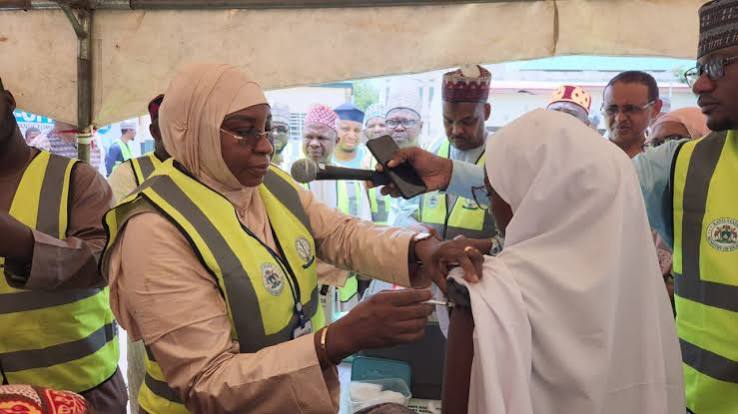
The Gombe State Government and the United Nations Children’s Fund (UNICEF) have trained 104 frontline health workers to improve newborn survival amid persistent concerns over neonatal mortality in northern Nigeria.
The two-day training covered 48 health workers from secondary healthcare facilities, following an earlier programme for 56 personnel working in primary healthcare facilities.
The initiative aims to strengthen the capacity of healthcare professionals to provide appropriate care for newborns, particularly premature babies and infants requiring specialised medical attention.
Government Seeks Stronger Newborn Care
Dr Abdulrahman Shuaibu, Executive Secretary of the Gombe State Primary Health Care Development Agency, said improving newborn care was essential to reducing preventable deaths across the state.
Speaking in Gombe on Thursday, Shuaibu explained that many babies were delivered in communities before being referred to secondary healthcare facilities for specialised treatment.
“Therefore, it is important to strengthen the capacity of healthcare workers at these facilities to provide appropriate care for newborns,” he said.
He noted that neonatal and infant mortality remained a concern, requiring coordinated action by the government, healthcare providers and development partners.
“It is our hope and prayer that this training will contribute to a significant decline in neonatal mortality across our communities,” he said.
Shuaibu urged participants to share the knowledge acquired with colleagues who did not attend the programme, extending the benefits to more healthcare facilities.
He added that the initiative complemented government efforts to upgrade primary and secondary healthcare facilities, while commending UNICEF and other development partners for supporting improvements in healthcare delivery.
UNICEF Highlights Care for Premature Babies
Mr Oluseyi Olosunde, a health officer at UNICEF’s Bauchi Field Office, said the training was organised to commemorate the 2026 World Prematurity Day.
He explained that the programme focused on improving the quality of care available to newborns, especially premature babies and those requiring specialised attention.
“Every child deserves to live, and to make every child enjoy this right to life, the quality of care is important,” he said.
According to Olosunde, the training targeted nurses, midwives and doctors involved in caring for women during pregnancy, childbirth and the postnatal period.
“We are training them to ensure that the mother survives, every woman survives, and every child survives,” he said.
Olosunde described newborn deaths as unacceptably high in several northern states and urged participants to apply their newly acquired skills to improve clinical services and protect mothers and babies.
Nigeria Faces Persistent Neonatal Mortality Challenge
Dr Raymond Mercy, a consultant paediatrician at the Federal Teaching Hospital, Gombe, also called on healthcare workers to prioritise proper newborn care.
Mercy, who is affiliated with the Paediatric Association of Nigeria and the Nigerian Society of Neonatal Medicine, said Nigeria’s neonatal mortality rate stood between 34 and 41 deaths per 1,000 live births.
She added that Nigeria carried the world’s second-highest burden of neonatal mortality, highlighting the need for urgent improvements in newborn healthcare nationwide.
Neonatal mortality refers to the death of a baby within the first 28 days of life. The period is particularly critical for premature infants and newborns experiencing complications that require prompt medical attention.
Training Must Translate into Better Outcomes
The Gombe initiative highlights the importance of equipping frontline health workers with the skills needed to identify newborn complications, provide appropriate care and refer vulnerable babies for specialised treatment when necessary.
However, the long-term impact will depend on whether trained personnel can consistently apply their skills in adequately equipped facilities with sufficient staff, essential medical supplies and effective referral systems.
The reported training figures represent an important capacity-building effort, but no specific mortality-reduction target or timeline for measuring the programme’s outcomes was provided in the information released.
For families across Gombe and other northern communities, sustained improvements in newborn survival will depend on the quality, availability and accessibility of maternal and neonatal healthcare beyond the training sessions.
Atlantic Reports: Voices. People. Facts.
Written by
Atlantic Reports Admin
Comments
- Be the first to comment.