Health Minister Urges Doctors to Embrace AI, Preventive Care and Continuous Training
By Atlantic Reports
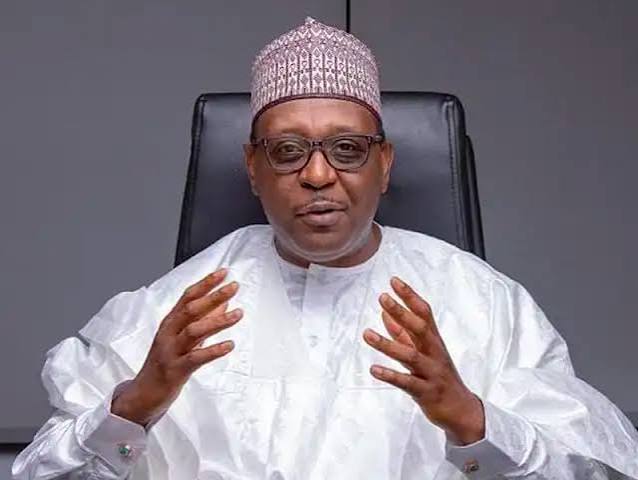
The Minister of State for Health, Dr Isiaq Salako, has urged Nigerian doctors to embrace technological innovation, continuous professional development and preventive healthcare to improve medical services and strengthen public health.
Salako made the call on Thursday in Abeokuta during the 2026 Physicians’ Week organised by the Ogun State chapter of the Nigerian Medical Association (NMA). He was represented by Dr Sunday Amosu, Acting Provost of the Neuropsychiatric Hospital, Aro, Abeokuta.
The minister said doctors needed to update their professional skills and adapt to technological developments in healthcare while giving greater attention to mental health and the prevention of disease.
He also urged medical practitioners to take responsibility for their own wellbeing through regular health checks, balanced diets and healthier lifestyles.
Doctors urged to prioritise their health
Salako advised doctors to establish relationships with personal physicians and seek professional medical advice regularly rather than neglecting their health because of demanding work schedules.
He said lifestyle choices played an important role in preventing non-communicable diseases and encouraged Nigerians to eat more vegetables, fruits and balanced meals.
The minister explained that consuming fruits and vegetables of different colours could help provide a range of nutrients needed to maintain good health.
He added that healthcare professionals should lead by example by practising the healthy habits they recommend to patients.
The emphasis on doctors’ wellbeing also highlights the importance of supporting healthcare workers who face demanding workloads and responsibilities. Regular medical checks and healthier lifestyles are useful, but adequate staffing, manageable working conditions and access to healthcare services remain important to workforce wellbeing.
Ogun commissioner advocates artificial intelligence and telemedicine
Ogun State Commissioner for Health, Dr Tomi Coker, also urged doctors to adopt artificial intelligence (AI), telemedicine and other technological innovations to improve healthcare delivery.
Coker said technology was increasingly influencing medical practice and encouraged practitioners to integrate appropriate AI tools into their work.
“The future of medicine is here already, and we have to embrace technology. AI should be like your pen,” she said.
She said telemedicine could reduce the burden of unnecessary physical travel by allowing doctors to consult patients remotely where clinically appropriate.
Telemedicine may improve access for people who live far from healthcare facilities, although its effectiveness depends on reliable connectivity, patient privacy, appropriate clinical assessment and referral arrangements for cases requiring physical examination.
Similarly, AI tools may support certain clinical and administrative tasks, but their use requires professional oversight, patient-data protection and safeguards against inaccurate outputs.
Coker also highlighted personal wellbeing and mentorship of younger practitioners as important elements in preparing the medical profession for future challenges.
NMA calls for a stronger future for medicine
Earlier, the Ogun State NMA chairman, Dr Sunday Enimola, said the future of medicine in Nigeria required deliberate planning, protection and professional commitment.
He stressed that technology should support rather than replace medical practitioners.
“Technology should never replace the doctor, it should empower the doctor. It should be tool in the hands of the doctor,” he said.
The position reflects the need to balance technological progress with clinical judgement, professional responsibility and the relationship between doctors and patients.
Accountability remains central to healthcare development
Delivering a lecture titled “Securing the Future of Medicine in Nigeria”, guest speaker Dr Raymond Osho said honesty of purpose was essential to developing the country’s health sector.
He argued that the future of medicine depended on more than constructing healthcare facilities, stressing the importance of accountability among government officials and medical professionals.
The discussions at Physicians’ Week placed technology, professional development, preventive care and accountability at the centre of efforts to improve healthcare.
Turning those priorities into better patient outcomes will require more than adopting new tools. Sustained investment, effective regulation, reliable infrastructure and support for healthcare workers will also be necessary to ensure that technological advances translate into accessible and dependable services for Nigerians.
Atlantic Reports: Voices. People. Facts.
Written by
Atlantic Reports Admin
Comments
- Be the first to comment.