High Nomination Fees Threaten PWDs’ Participation in 2027 Elections, Kano Advocate Warns
By Atlantic Reports
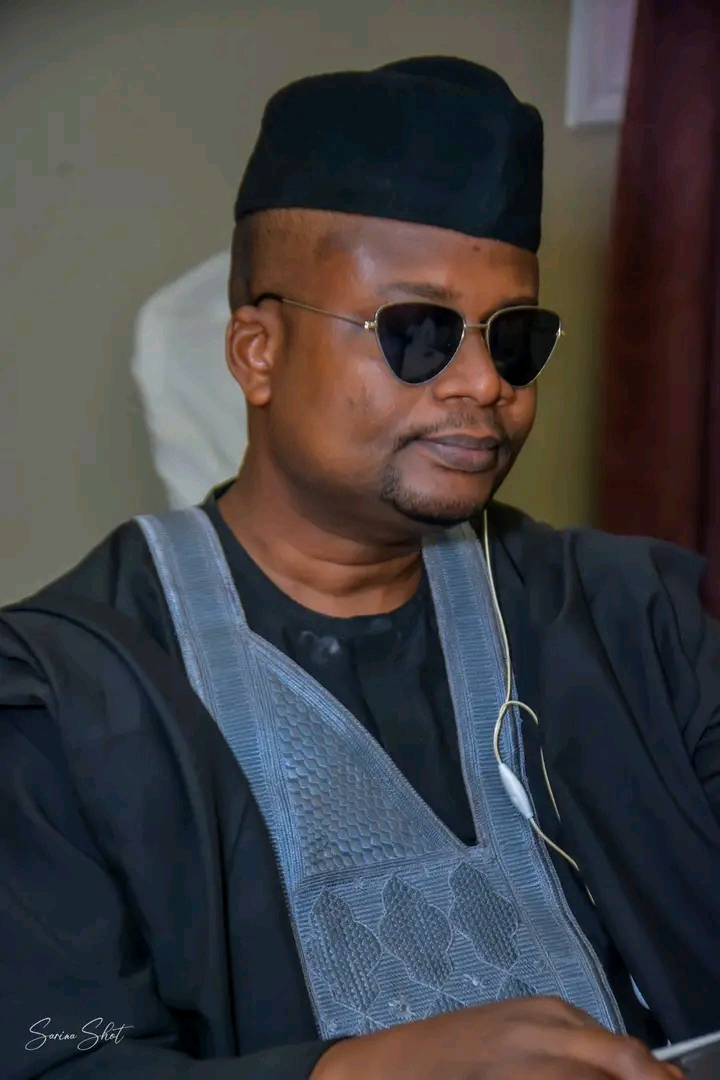
Zango raised the concern in an interview in Kano on Tuesday, arguing that financial barriers were limiting the participation of persons with disabilities in Nigeria’s political process.
He said persons with disabilities possessed the knowledge, leadership capacity and experience needed to contest elections, win political offices and contribute to national development, but many lacked the financial resources required to secure party nominations.
According to him, their potential deserves greater recognition and opportunities to participate in politics and decision-making.
Zango alleged that many political parties failed to provide adequate platforms for persons with disabilities during primary elections and in political appointments.
He identified the cost of nomination forms and other financial requirements as major obstacles discouraging prospective candidates from seeking elective positions.
Calls for Inclusive Political Participation
The Kano advocate said Nigeria had legal provisions intended to protect the rights of persons with disabilities and promote their inclusion in areas such as healthcare, education, agriculture and employment.
However, he argued that weak implementation had limited the impact of these protections, creating a need for stronger enforcement and additional measures to improve political participation.
He cited the Discrimination Against Persons with Disabilities (Prohibition) Act, 2018, which provides for public organisations, as much as possible, to have persons with disabilities constitute at least five per cent of their workforce.
Zango also referenced Kano State’s Persons with Disabilities Law, enacted in 2022, which he said provides for the allocation of two per cent of employment opportunities to persons with disabilities.
He maintained that such provisions required effective implementation and broader measures to address barriers to elective office.
Representation Beyond Political Appointments
Zango acknowledged that some states, including Kano, had appointed special assistants to represent the interests of persons with disabilities.
However, he called for more substantial opportunities that would enable them to contest elections and participate directly in legislative and executive decision-making.
He urged political parties and relevant authorities to address the financial and institutional barriers confronting prospective candidates with disabilities ahead of the 2027 elections.
Possible measures include reviewing nomination costs, strengthening inclusive party procedures and improving accessibility within political structures.
Inclusion Remains a Test for Nigerian Democracy
The concerns raised by Zango highlight the distinction between legal recognition of the rights of persons with disabilities and their practical ability to exercise those rights.
Reducing financial barriers could widen access to political office, but meaningful inclusion would also require accessible campaign processes, reasonable accommodation, equal opportunities within political parties and effective enforcement of existing laws.
With the 2027 general elections approaching, the extent to which political parties and public institutions address these challenges will be important in determining whether more Nigerians with disabilities can participate as candidates rather than only as voters.
Atlantic Reports: Voices. People. Facts.
Written by
Atlantic Reports Admin
Comments
- Be the first to comment.