IMF Urges Targeted Cash Support for Vulnerable Nigerians
By Atlantic Reports
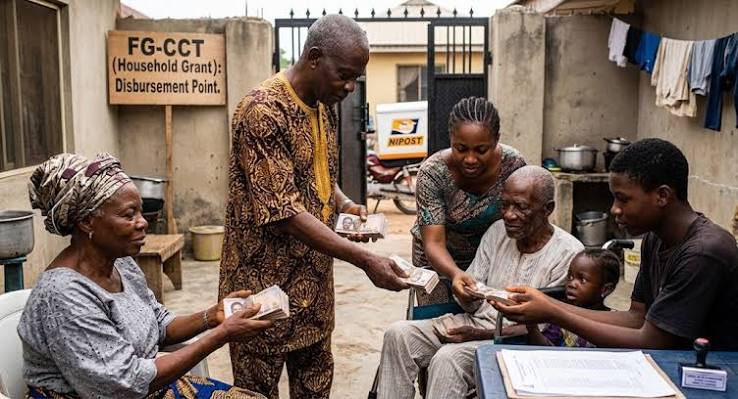
The International Monetary Fund (IMF) has urged Nigeria to strengthen targeted cash transfers to vulnerable households as rising food and energy prices weaken purchasing power.
Deniz Igan, a Division Chief in the IMF’s Research Department, made the call on Tuesday during a news conference on the World Economic Outlook in Bangkok, Thailand.
She said targeted support could help reduce poverty and improve food security, while stressing the need to balance immediate household needs with longer-term fiscal stability.
According to Igan, Nigeria’s economic growth had remained resilient, partly because of its position as an energy exporter. However, persistent poverty and declining household purchasing power remained concerns.
Her assessment highlights the difference between economic growth and household welfare: stronger national output does not necessarily mean families can afford more food, transport or other essentials.
Relief alongside spending reforms
Igan said temporary income support should be accompanied by improvements in public expenditure and stronger revenue collection.
Those measures, she argued, would help address rising essential costs without undermining medium-term fiscal stability.
The recommendation did not include a proposed transfer amount, beneficiary target or implementation timetable. It was policy advice, rather than an announcement of a new Nigerian cash-transfer programme.
For vulnerable households, the effectiveness of targeted assistance will depend on accurate beneficiary identification, timely payments and whether the support is sufficient to ease immediate pressures.
Global resilience under strain
IMF Research Department Director Silvana Tenreyro said the resilience of the global economy was approaching its limits.
She urged governments to move beyond short-term crisis responses by rebuilding fiscal buffers and strengthening supply chains, particularly in critical sectors such as energy.
Tenreyro also called on central banks to balance inflation control with economic activity when responding to oil price shocks.
She said monetary policy decisions should reflect prevailing inflation, labour market conditions and the nature of the shock, rather than follow a uniform response.
The Fund’s message combines immediate protection for households with longer-term preparation for economic uncertainty. For Nigeria, the practical challenge is to deliver targeted relief while improving how public resources are raised and spent.
Atlantic Reports: Voices. People. Facts.
Written by
Atlantic Reports Admin
Comments
- Be the first to comment.