India Rejects US Claims of Manufacturing Overcapacity, Warns of Trade Tensions
By Atlantic Reports
India disputes US trade investigation
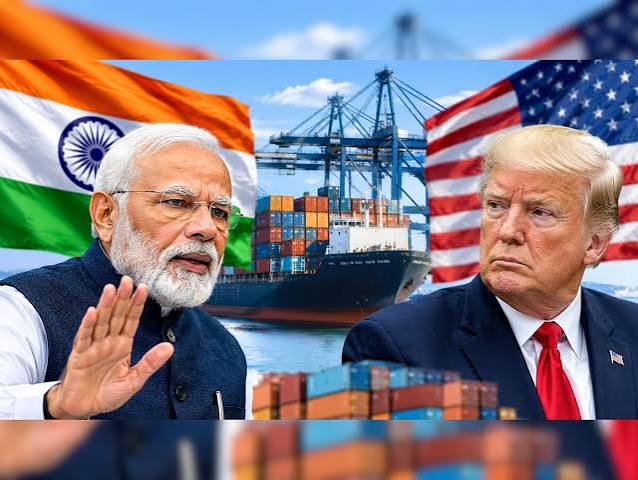
The Indian Ministry of Commerce and Industry said on Thursday, November 26, 2026, that the country did not have structural excess manufacturing capacity in any sector.
The response followed a notice issued by the USTR under Section 301 of the US Trade Act, seeking comments on alleged policies and practices contributing to manufacturing overcapacity.
“The notice is currently under investigation,” the Indian ministry said, maintaining that the country had no structural excess capacity in any sector.
The ministry also said India and the United States were negotiating a bilateral trade agreement and that trade-related concerns should be addressed within the framework of those discussions.
It reaffirmed the government's commitment to working with Washington towards an early conclusion of the proposed agreement.
US raises concerns over Indian manufacturing policies
The USTR had identified India's flagship manufacturing support schemes as contributing to excess industrial capacity and proposed tariffs of up to 25 per cent on Indian goods across key sectors.
The investigation places pressure on trade relations between the two countries, particularly as negotiations continue over the terms of a broader commercial agreement.
A Section 301 investigation allows the US government to examine foreign trade practices it considers unfair or harmful to American commerce. Such an investigation can lead to trade measures, including additional tariffs, although a proposal does not automatically mean that the measures have been adopted.
India's rejection indicates that the two governments have differing assessments of the country's manufacturing policies and their effects on international trade.
Indian industry calls for possible retaliation
The proposed US tariffs have also drawn criticism from sections of India's business community.
Brijesh Goyal, Chairman of the Chamber of Trade and Industry (CTI), urged the Indian government to consider imposing similar tariffs on American imports if Washington proceeds with additional duties on Indian goods.
His position reflects concerns among some Indian business interests that higher US tariffs could affect the competitiveness of Indian exports and place pressure on companies operating in affected sectors.
However, the statement did not identify the specific American products that could face retaliatory duties or indicate whether the Indian government was considering such a response.
Trade negotiations face a difficult test
The dispute presents a challenge for ongoing efforts to deepen commercial relations between India and the United States.
For Indian manufacturers and exporters, the proposed tariffs could affect access to the American market if implemented. US businesses and consumers could also face consequences if the dispute develops into reciprocal trade restrictions.
The central issue remains whether both governments can resolve their differences through negotiations or whether the investigation will lead to additional trade barriers.
India has indicated its preference for addressing the concerns through the bilateral trade agreement negotiations. The eventual outcome will depend on the findings of the US investigation, the positions adopted by both governments and the progress of their trade discussions.
Atlantic Reports: Voices. People. Facts.
Written by
Atlantic Reports Admin
Comments
- Be the first to comment.