ITF Offers 150 North-Central Tailors ₦5m Business Support Packages Under SUPA Scheme
By Atlantic Reports
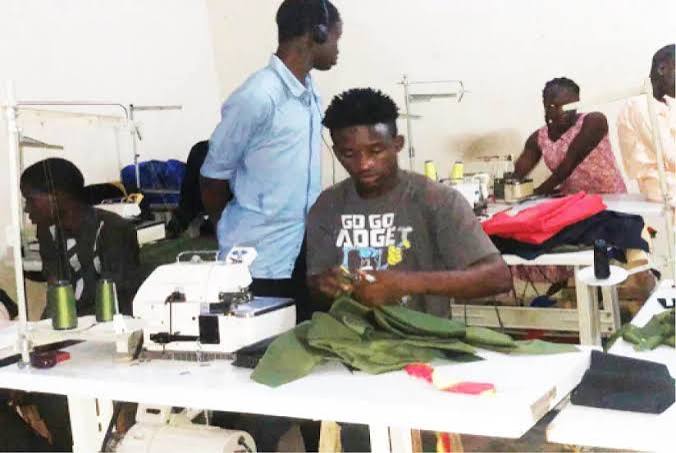
The Industrial Training Fund (ITF) has unveiled a five-year business incubation programme offering 150 certified tailors in Nigeria's North-Central region support packages worth ₦5 million each to strengthen their businesses and create employment opportunities.
The initiative, known as the Renewed Hope Tailors programme, is an exit pathway under the ITF's Skill-Up Artisans (SUPA) programme.
The Director-General of the ITF, Dr Afiz Ogun, announced the scheme on Thursday, November 26, in Jos, Plateau State, during the North-Central pre-launch event.
Ogun, who was represented by the Fund's Director of Legal, Mrs Safiya Abubakar, said the programme was designed to help Nigerian artisans improve their skills, establish sustainable businesses and compete at higher industry standards.
How the ₦5m support package works
According to the ITF, each of the 150 beneficiaries will receive a support package comprising:
-
₦2.5 million grant: Non-repayable financial support.
-
₦2.5 million business support: A repayable amount to be remitted over five years.
The arrangement means that each beneficiary will be responsible for repaying the ₦2.5 million business support component, while retaining the grant portion.
Ogun said the beneficiaries were selected from artisans across the North-Central zone who had undertaken and passed the ITF certification examination.
He described the programme as a structured incubation scheme intended to support selected tailors from the start-up stage to business maturity over five years.
Equipment, branding and business development support
The ITF said implementation would involve identifying business locations, inspecting and verifying the facilities, branding approved premises and installing equipment.
Beyond financial assistance, beneficiaries are expected to receive business development services, including mentorship, marketing guidance and bookkeeping training.
The programme will also provide technical assistance through recommended technicians responsible for equipment servicing and repairs.
Mrs Tamara Bifmuk, a Training Development Officer at the ITF, said beneficiaries would receive additional advisory services and training from master craftsmen.
She explained that ownership of the businesses would eventually be transferred to beneficiaries after they completed repayment of the ₦2.5 million support component within the five-year incubation period.
The ITF, she added, would continue providing business support throughout the incubation period, even where a beneficiary chose to repay the amount earlier.
Repayment conditions and risk of losing businesses
The programme comes with conditions that beneficiaries will need to understand before taking full ownership of the supported businesses.
Bifmuk said beneficiaries who failed to make the required remittances for three months risked having their businesses reclaimed by the ITF.
This condition makes the arrangement more than a straightforward grant scheme. Beneficiaries will need to manage their businesses well enough to meet repayment obligations while covering operating costs, maintaining equipment and potentially employing workers.
The ITF did not provide further details at the event on the repayment schedule, the precise meaning of a missed monthly remittance or the process for resolving disputes over business recovery.
Clear communication of these conditions will be important to protect beneficiaries and ensure transparency throughout the programme.
Beneficiaries welcome the initiative
Some of the selected tailors expressed appreciation to the ITF, describing the programme as an opportunity to expand their businesses and reach wider markets.
One beneficiary, Joshua Rotgak, said the support would help him grow his business and gain international exposure.
Another beneficiary, Ginak Andrea, said starting a business was challenging and described the initiative as an opportunity to establish a stronger foundation for her enterprise.
Questions around sustainability and job creation
The programme offers selected artisans access to funding, equipment and business support, but its long-term impact will depend on how effectively the incubation arrangements are implemented.
Important measures of success will include the number of businesses that remain operational, repayment performance, employment created, income growth and the ability of beneficiaries to compete in the garment and fashion industry.
The ITF will also need to demonstrate how the programme supports businesses beyond the initial provision of equipment and financial assistance.
For the 150 tailors, the immediate opportunity is to build viable enterprises. For the wider economy, the test will be whether the intervention produces sustainable businesses and meaningful jobs rather than temporary financial relief.
Atlantic Reports: Voices. People. Facts.
Written by
Atlantic Reports Admin
Comments
- Be the first to comment.